World Cup 2026 Law Changes Add VAR Powers And Timeout Ban

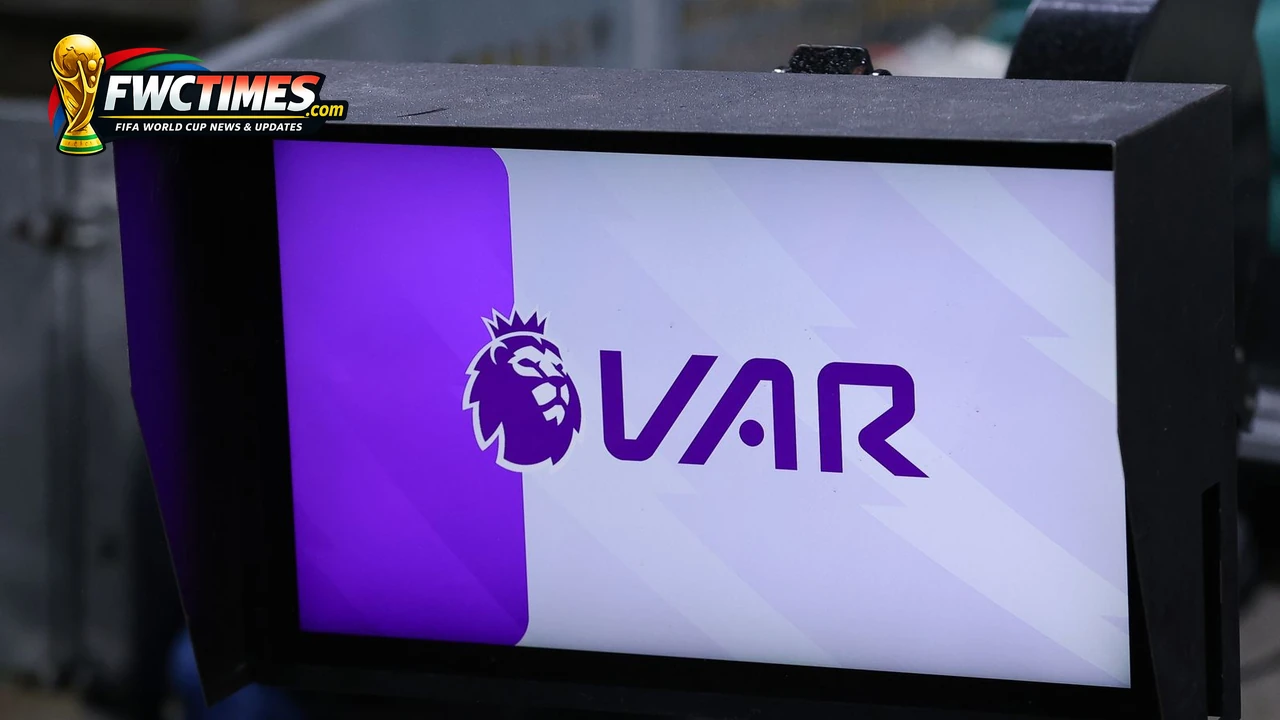
World Cup 2026 law changes will give VAR new powers and stop players from using goalkeeper injuries as tactical timeouts. FIFA referees chief Pierluigi Collina has outlined the measures before the tournament. The changes aim to protect match flow, reduce time-wasting and give referees more tools around set-piece offences.
The new package includes checks linked to attacking offences before corners and free kicks, a restriction on players going to the technical area during goalkeeper treatment, and tighter substitution timing. The rules arrive at a tournament with 104 matches, so small delays can carry large viewing impact.
VAR Can Intervene On More Set-Piece Incidents
The most technical change concerns attacking blocks before set pieces. VAR can intervene when a clear offence by the attacking team before a corner or free kick has a direct impact on a goal, penalty kick or disciplinary sanction. That targets screens and blocks that remove defenders before the ball arrives.
Coaches who rely on crowded set-piece routines will need to adjust. Blocking can still happen naturally through movement, but clear obstruction carries higher risk. Goals from corners may face closer review if the attacking setup frees a runner illegally.
| Law Change | Practical Match Impact |
|---|---|
| Expanded VAR Set-Piece Checks | Clear attacking offences before restarts can be reviewed |
| Goalkeeper Timeout Ban | Players cannot use goalkeeper treatment to receive coach talks |
| 10-Second Substitutions | Substituted players must leave quickly at the nearest point |
| Eight-Second Goalkeeper Control | Goalkeepers risk a corner if they hold the ball too long |
The set-piece change may affect teams with rehearsed blocking movements. Referees and VAR teams must judge whether contact directly influenced the scoring action. That creates pressure for consistent interpretation across venues.
Players will also need discipline around the technical area. If a goalkeeper receives treatment, teammates cannot turn the stoppage into a tactical meeting with coaches. That rule targets a growing match-management habit.
Time-Wasting Rules Put Players On A Shorter Clock
Substituted players will have 10 seconds to leave the field at the nearest point. That prevents slow walks across the pitch when a team wants to run down the clock. Referees can act faster if a player ignores the instruction.
Goalkeeper control remains another major time-wasting issue. The eight-second goalkeeper rule means keepers cannot hold the ball without consequence. A corner to the opposition is a stronger punishment than the older indirect-free-kick model.
These rules could change late-match behavior. Teams protecting a lead must manage time through possession and decisions, not drawn-out exits and staged injury breaks. Coaches will need to train game management within the new boundaries.
Why The Changes Matter At A 48-Team Tournament
The expanded format creates more group matches and more stoppage-time scrutiny. Referee consistency will matter because different crews will work across 16 host cities. FIFA needs teams to understand the same standards before the first match.
The changes can also affect fan experience. Fewer fake pauses and clearer substitution rules should keep games moving. Expanded VAR powers may add review time, but the target is to correct high-impact incidents rather than stop the match constantly.
The toughest challenge will be communication. Fans inside stadiums need to know why a set-piece goal is under review. Broadcast teams need clean explanations so viewers do not see the new checks as random interventions.
Teams will likely rehearse substitutions under the new timing rule before the tournament. Players need to know the nearest exit path, and staff must prepare replacement instructions earlier. A slow change can now create avoidable pressure in stoppage time.
Set-piece coaches also face a tighter margin. Legal screens, blocking runs and decoy movement can still create chances, but obvious obstruction may erase a goal. The best routines will rely on timing and disguise rather than wrestling for space.
Referees will need a consistent line from the first group match. If one crew allows contact that another crew penalizes, teams will complain quickly. Early clarity can help players adapt before knockout matches magnify every decision.
The goalkeeper treatment rule may create visible tension in late matches. Teams often use pauses to reset shape, slow pressure and pass instructions. Removing that route forces captains and midfield leaders to organise players on the field.
The law package also places more responsibility on assistant referees and fourth officials. They must support substitutions, bench behavior and restarts while VAR handles reviewable incidents. Smooth teamwork between officials can keep the match from feeling over-managed.
Frequently Asked Questions
The new law package puts match flow under sharper control. Teams that adjust first can avoid cheap cards, lost goals and late-game chaos.
Read Also: Los Angeles World Cup 2026 Free Fan Events Expand Across Parks