VNA Opens Multi-Platform World Cup Coverage Hub

Vietnam News Agency has opened a World Cup 2026 coverage hub for clients and media partners. The section runs from May 25 to July 31 on its electronic portal. VNA plans multilingual coverage through text, photographs, video, infographics, and podcasts. The move gives Vietnam’s media network a dedicated channel for the FIFA World Cup 2026.
The VNA World Cup 2026 coverage plan matters because the tournament will move fast across three countries. Media outlets need verified match reports, team profiles, host-country updates, and visual material. A single hub can reduce confusion for partners who need tournament content in several formats. That is useful during a 104-match event.
VNA Is Building A Full Tournament Desk
VNA’s plan involves multiple editorial units rather than one sports desk. World news, domestic news, press photography, digital media, database, documentation, and infographic teams all have tournament roles. That structure shows the agency expects the World Cup to be a national media project. It also reflects demand beyond basic match scores.

The coverage package includes team profiles, host-nation preparations, participating squad coverage, match reports, feature stories, and off-field moments. Those categories match how readers follow a modern World Cup. Fans want results, but they also want travel, culture, players, and daily storylines. A multi-format desk can serve all of those needs.
| Coverage Area | VNA Plan |
|---|---|
| Portal Window | May 25 to July 31, 2026 |
| Formats | Text, photos, video, infographics, and podcasts |
| Editorial Units | World, domestic, photo, digital, database, and infographic teams |
| Coverage Topics | Teams, hosts, match reports, features, and off-field moments |
| International Bureaus | Coverage support from host countries and qualified-team countries |
Host-Country Bureaus Give The Plan More Reach
VNA will use bureaus in the host countries and in countries with teams at the tournament. That gives the agency more reporting reach than a remote desk alone. Bureaus can track fan movement, local preparations, and team-related developments. Those details often shape the stories that matter between matches.
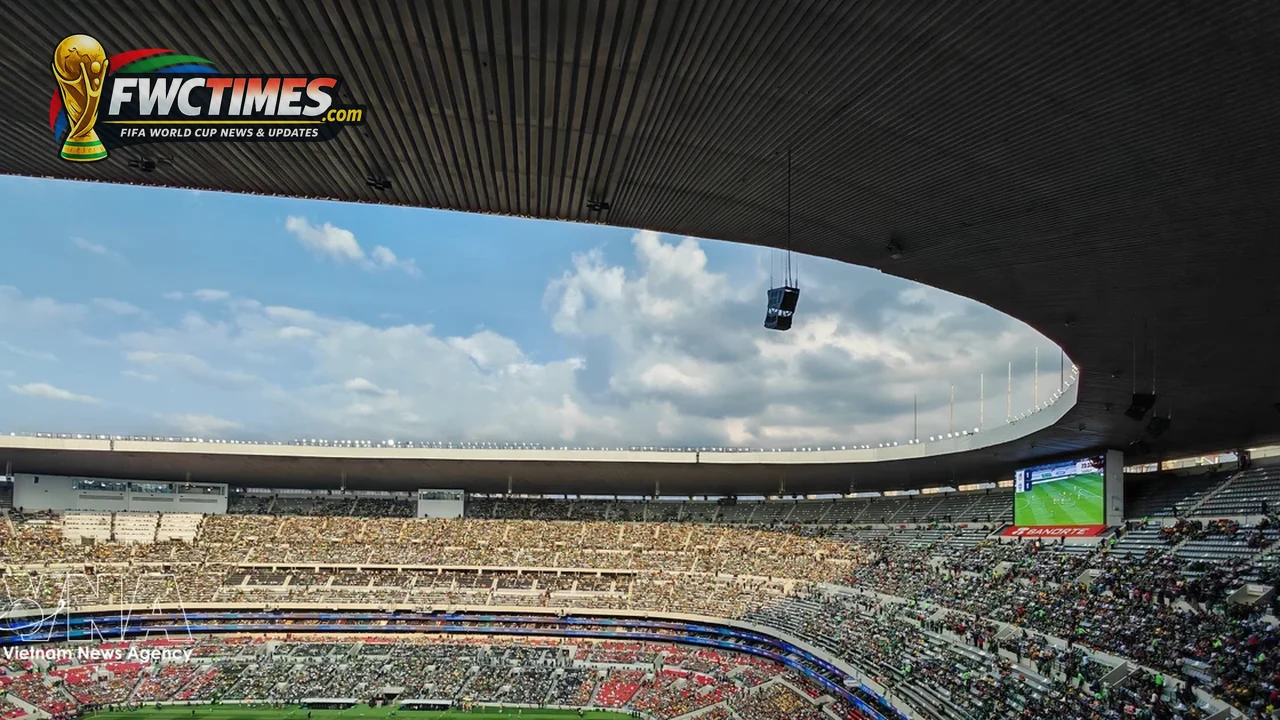
The image of Estadio Azteca also fits the tournament’s opening-stage importance. Estadio Azteca will be one of the most watched venues because Mexico opens the tournament there. Media coverage from host countries must explain venue logistics as well as football. VNA’s hub can support that wider demand.
The expanded 48-team format also changes the editorial load. More teams mean more national audiences, more languages, and more matchday windows. A news agency cannot treat the event like a standard 32-team tournament. It needs repeatable systems for profiles, data, images, and quick match updates.
The hub can also help fans follow teams from Asia and beyond. Vietnam does not need to be a participating team to have strong World Cup readership. Asian audiences will follow Japan, Korea Republic, Australia, Iran, and other qualified nations. That gives VNA a regional angle as well as a global one.
The broadcast and media side of World Cup coverage is becoming more complex. Agencies now need video, data graphics, podcasts, and platform-ready assets. Match reports alone no longer satisfy partner demand. VNA’s plan reflects that shift toward multi-platform tournament publishing.
The portal window through July 31 also extends past the July 19 final. That gives the agency time for reaction pieces, statistics, legacy stories, and wrap-up packages. Post-tournament coverage can be valuable because media partners need analysis after the trophy presentation. A longer window keeps the archive useful.
The agency plan also gives editors a predictable place to pull verified material during busy match windows. That matters when several matches run on the same day and local desks need quick decisions. A central portal can reduce duplication and help partners choose photos, graphics, and match copy faster. It also keeps tournament coverage organized after the group stage expands the daily load.
The multilingual element is important for a global tournament. World Cup stories often travel across language audiences before and after matches. A national agency that prepares several formats can serve television, digital, print, and social teams with less delay. That speed becomes valuable when upsets or injury news break close to kickoff.
The off-field coverage plan may also help explain the host countries. Fans will follow cities, stadium upgrades, security measures, fan zones, and team camps. Those subjects often shape travel and viewing decisions. VNA’s wider editorial structure gives it room to cover those angles without treating them as side notes.
Frequently Asked Questions
VNA’s World Cup hub shows how national agencies are scaling up for the expanded tournament. The strongest coverage will come from combining verified match reporting with fast visual and digital formats.
Read Also: DC National Mall Named World Cup Fan Zone For Full Tournament