Boston Confirms Train And Bus Routes For World Cup Fans

Boston World Cup transit options are now clearer for fans traveling to Foxboro. Special trains, paid buses, reserved parking, and rideshare zones will support matches at Gillette Stadium. The stadium will operate under the FIFA name Boston Stadium during the tournament. Fans without match tickets are being discouraged from traveling to the stadium area on matchdays.
The travel plan matters because the stadium sits around 29 miles southwest of downtown Boston. Boston World Cup 2026 fan planning now depends on choosing the right route early. Route 1 remains the key road approach, but officials expect heavy congestion. Fans who wait until matchday may face higher costs and fewer options.
Special Trains Give Fans The Cleanest Public Route
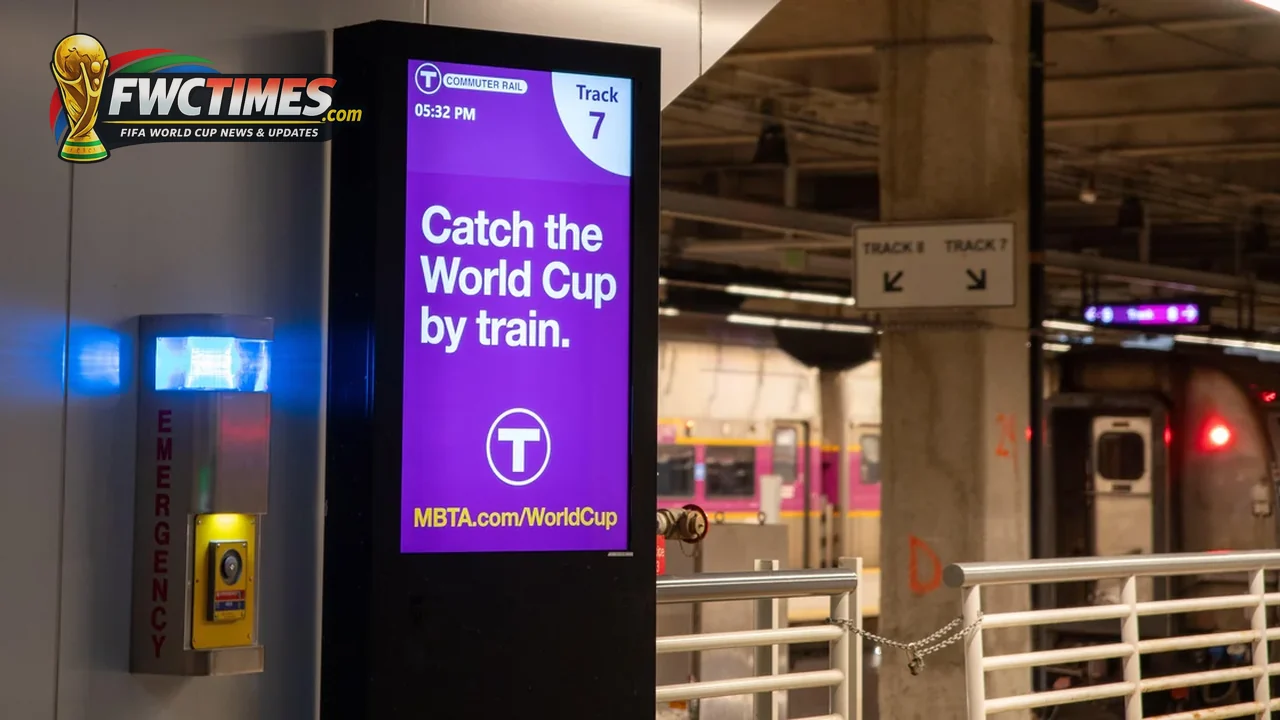
The MBTA Commuter Rail will run special trains between South Station and Foxboro Station. Round-trip train tickets are priced at $80 and must be bought in advance through the mTicket app. The service will run nonstop and can carry up to 20,000 fans per match. Foxboro Station is less than a 10-minute walk from the stadium.
Trains are expected to leave South Station every 15 minutes. The ride to Foxboro should take around one hour. Return trains are scheduled to start about 30 minutes after each match ends. Regular commuter rail service to Foxboro will not operate on matchdays, so fans need the special ticket.
| Travel Option | Confirmed Details | Fan Impact |
|---|---|---|
| Special Train | $80 round trip from South Station to Foxboro Station | Best public route for many downtown Boston fans |
| Matchday Bus | $95 with more than 20 pickup points | Useful for hotels, Logan Airport, and Providence links |
| Reserved Parking | Advance reservations start at $175 | Driving remains possible but traffic risk stays high |
| Rideshare Or Taxi | Dedicated drop-off and pickup areas | Costs and availability may change after matches |
Bus And Parking Plans Add More Capacity
The matchday bus option costs $95 and offers more than 20 pickup points. Stops include Greater Boston hotels, Logan Airport, and a Providence pickup at the Rhode Island Convention Center. The service can carry up to 10,000 fans per match. Special bus lanes should help buses avoid some Route 1 delays.
Driving is still possible, but it requires advance planning. Parking reservations start at $175 and stadium lots open four hours before kickoff. Organizers have warned that Route 1 is the route fans should use because local roads will be blocked around match windows. Tailgating is allowed in stadium parking lots under the current matchday plan.
The clearest advice from Gillette Stadium matchday transport planning is to book early. Train, bus, and parking capacity all have limits. A fan who waits may be pushed toward rideshare, where post-match demand can spike. That creates both cost and timing risk after late finishes.
Rideshare and taxi services will have pickup and drop-off areas around the stadium. Those options may help small groups, but they offer less price certainty. Demand after the final whistle can create long waits. Fans with flights, hotel check-ins, or children should avoid relying on last-minute rideshare availability.
The train plan should help downtown visitors most. Fans staying near South Station can avoid the Route 1 traffic problem and walk from Foxboro Station. The tradeoff is that every rider needs a timed boarding plan and patience at the platform. A sold-out match can still create long queues before departure.
The bus plan may work better for hotel-based groups and airport arrivals. Pickup points near Logan Airport reduce the need to transfer across the city with luggage. Providence service also gives Rhode Island visitors a direct route to the stadium. That makes the system useful beyond central Boston.
The seven Boston Stadium matches run from June 13 to July 9. That range includes group-stage and knockout traffic patterns, so the busiest dates may feel different. Knockout matches can bring more neutral fans and longer post-match movement. The train and bus plans are built to absorb that pressure if fans use them correctly.
The most important choice is route discipline. Fans driving should not trust side-road shortcuts because closures will shape traffic near Foxboro. Fans using public transport should arrive early at boarding points and expect queues. The stadium trip is part of the matchday schedule, not an afterthought.
Frequently Asked Questions
Boston’s transit plan gives fans clear options, but each route needs advance booking. The smoothest Foxboro trip will belong to fans who treat transport like part of the ticket purchase.
Read Also: MagentaTV Confirms HDR Production Chain For World Cup 2026