World Cup 2026 Sleeve Badges Released For Kits

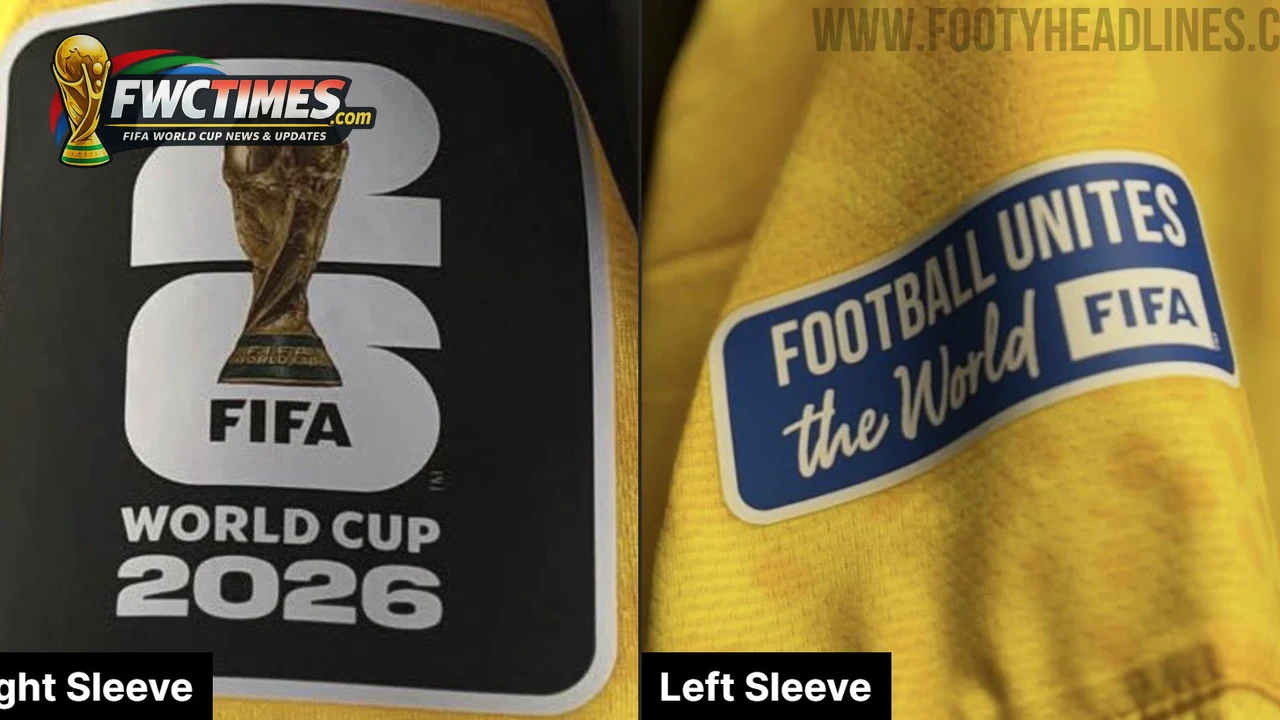
World Cup 2026 sleeve badges have been released with four tournament patch variations. The kit update confirms Avery Dennison as the exclusive FIFA-licensed producer and supplier. Distribution will be limited to national federations, Adidas, and FIFA-approved retailers. The badge rules add a controlled retail layer to the FIFA World Cup 2026 kit rollout.
The update matters because shirt details shape how official replica kits reach fans. Standard teams will use the regular 2026 tournament logo patch. Former World Cup champions will receive an exclusive gold badge. A separate right-sleeve “Football Unites the World FIFA” badge has also appeared in the latest reveal.
Avery Dennison Controls The Official Patch Supply
Avery Dennison is the licensed supplier for the official sleeve badges. Earlier confusion around Adidas production has now been corrected in the latest kit reporting. Adidas still matters because several national teams will wear Adidas kits. The patch itself sits under a FIFA licensing and distribution structure.

The supply rules look tighter than a normal kit accessory release. Authentic patches will not be open-market items for every independent store. FIFA-approved retailers must follow contractual restrictions on who can buy and apply the badges. That makes official kit personalisation more controlled for collectors and fans. It also creates a clearer split between official retail shirts and aftermarket customisation. Buyers who want match-style detail now need to check whether the seller can supply genuine patches. That check will matter most on high-demand shirts from former champions and host countries.
Gold Badges Separate Former World Cup Champions
The badge set separates former champions from standard tournament teams. That means Argentina, Brazil, Germany, England, France, Spain, Italy, and Uruguay-style championship histories carry a different visual signal. The gold badge gives past winners a clear sleeve distinction. Other teams will carry the regular tournament logo variation.
The design choice gives FIFA a simple way to highlight World Cup heritage without changing federation crests. It also creates a visible difference between teams on broadcast close-ups. Fans who buy official shirts may now care more about patch authenticity. Replica shirts without correct patches could feel incomplete to kit collectors.
Restricted Retail Changes How Fans Buy Kits
The restrictions could make official sleeve badges harder to find than shirts. Fans buying from unauthorised sellers may see loose patches, but those products may not carry official supply guarantees. FIFA’s controlled network protects licensing value and reduces unauthorised resale. It also means fans should check official retail channels before paying extra for patches.
The detail also affects teams whose 2026 kits have already generated demand. Mexico, Argentina, Brazil, England, and Germany shirts will attract heavy collector interest. Buyers may want the match-style sleeve setup, especially for home shirts. The safest route remains official kit retailers and federation-approved outlets. Fans following Mexico or England should also check whether patches are included or sold as a matchday add-on. Some retailers may sell blank shirts first and add tournament patches later. Clear product photos and written patch details should guide the purchase.
Kit Collectors Now Have A New Authenticity Check
Sleeve badges give collectors another way to judge whether a shirt matches tournament standards. The correct badge, placement, and edition can separate a fan shirt from a match-style version. The 2026 tournament will bring more teams, more kits, and more retail variants. As a result, small details will matter when fans compare prices.
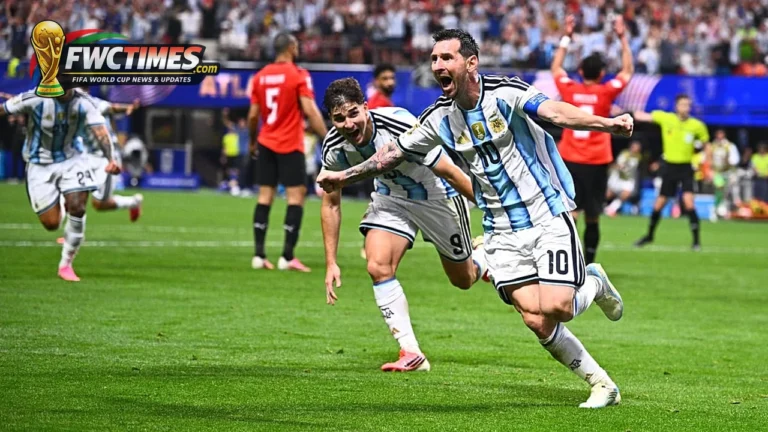
The reveal also connects kit culture to tournament history. A gold sleeve badge on former champions tells a story before kickoff. A standard badge on debutants or returning teams keeps the wider field unified. FIFA’s patch system gives the expanded tournament a visual hierarchy across all 48 teams. It also helps broadcasters, photographers, and retailers present the shirts with consistent tournament branding. Sleeve details may look small on television, but they become important in product pages and close-up celebration images. That visibility explains why FIFA keeps supply and placement under strict control.
Frequently Asked Questions
The sleeve-badge reveal gives the 2026 kit cycle a sharper retail and collector angle before shirts reach matchday use.
Stay tuned to FWCTimes.com for the latest FIFA World Cup 2026 updates.
Read Also: Mexico World Cup 2026 Third Kit Black Gold