
Toronto Faces World Cup Tourism Stress Test

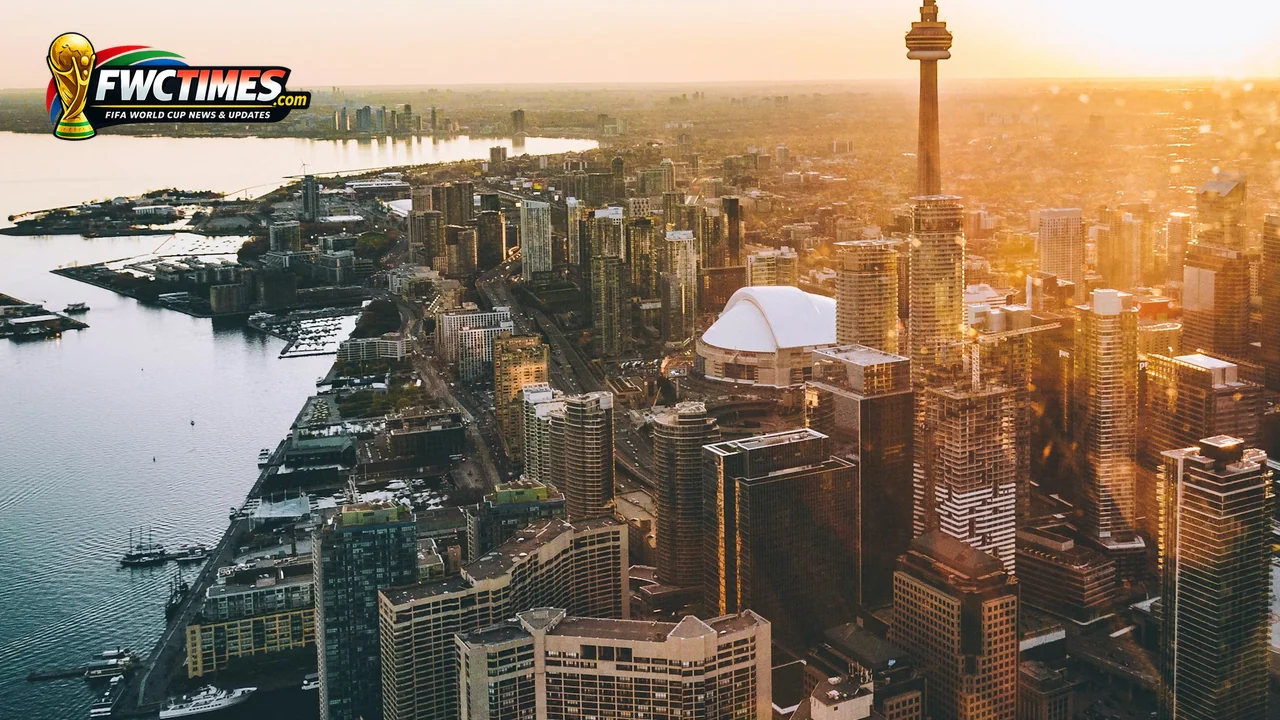
Toronto is facing a major tourism stress test as World Cup 2026 moves closer. The city will host matches while managing hotels, transit, airports, fan activity, and security demand. The pressure makes Toronto one of Canada’s most important host-city operations.
Hotels, Transit And Airports Face Combined Pressure
World Cup tourism does not arrive in one clean stream. Fans, media, teams, sponsors, volunteers, and security staff all compete for space and movement.
Toronto’s challenge is coordination. Pearson airport, downtown hotels, stadium access, and fan zones must work as one visitor system.
The city also needs clear public information. Fans need to know where to stay, how to move, and when to arrive before matchday pressure builds.
| Pressure Area | Toronto Challenge | Fan Impact |
|---|---|---|
| Hotels | High visitor demand | Book earlier and compare zones |
| Transit | Matchday crowd movement | Allow extra travel time |
| Airport | International arrivals | Build buffer before matches |
Why Canada’s Host Cities Need Clear Messaging
Toronto and Vancouver are Canada’s two World Cup host cities, but they face different travel patterns. Toronto carries a larger air gateway and a dense downtown event environment.
The tourism stress test is not only about crowd size. It is about whether visitors can understand the city quickly and move without friction.
Good planning can turn demand into a strong host-city showcase. Weak communication can turn even normal movement into avoidable delays.
What Fans Should Track Next
The deeper issue behind Toronto World Cup 2026 tourism is practical planning. Fans need confirmed details before they book travel, change schedules, or spend money.
The strongest confirmed detail is Hotels. That point matters because it connects the news to Book earlier and compare zones before tournament demand rises.
World Cup logistics rarely move in one step. Organizers, broadcasters, transport agencies, teams, and supporters all work from different timelines.
The most useful updates will name exact dates, locations, access rules, and viewing routes. General promises do not help fans make decisions.
This story also shows how the tournament reaches beyond the stadium. Local travel, viewing habits, public safety, and squad planning all shift around it.
Supporters should separate confirmed facts from assumptions. A reported plan still needs final operating details before it becomes reliable matchday guidance.
A clean fan plan starts with the official match calendar. Use the FIFA World Cup 2026 schedule as the base before adding travel or viewing decisions.
The next update to watch is the detail that turns toronto faces world cup tourism stress test from a headline into a fan action. That means timing, access, and final instructions.
A second check should focus on official operating details. Fans need times, locations, access routes, and entry rules before building a plan.
A third check should focus on what remains unconfirmed. Unclear details can change costs, travel windows, and viewing options near kickoff.
The safest approach is to treat early news as a planning signal. Final instructions should guide purchases, transport choices, and matchday timing.
The public-facing details also need simple wording. Fans should not need to compare several announcements to understand one matchday decision.
The clearest updates will separate confirmed information from pending items. That split helps readers act without guessing around the tournament.
Readers should also check whether the update affects tickets, travel, television, or team selection. Each category creates a different next step.
A strong tournament plan depends on current information. Old assumptions can become expensive when schedules, access rules, or squads change.
Frequently Asked Questions
Toronto’s World Cup success will depend on turning heavy tourism pressure into clear routes and reliable visitor information.
Stay tuned to FWCTimes.com for the latest FIFA World Cup 2026 updates.
Read Also: Canada World Cup Cost Forecast Passes C$1 Billion For 13 Matches