World Cup 2026 Ticket Resale Payment Delays Frustrate Fans

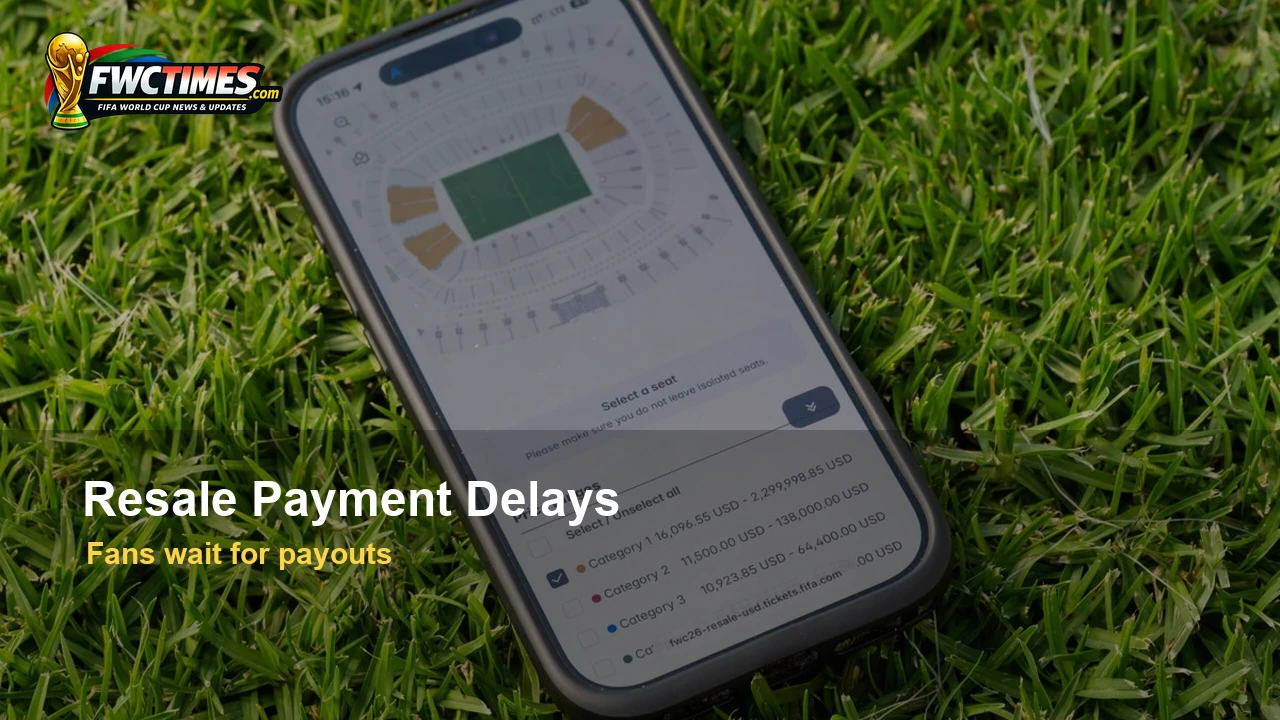
World Cup 2026 ticket resale payment delays are frustrating fans who expected faster payouts after selling seats. Complaints center on money owed after tickets were bought by other supporters. The issue adds another layer to FIFA’s already tense ticketing window.
The resale process matters because many fans use it when travel plans change. Delayed payments can damage trust, especially when ticket prices are high. Fans need clear timelines before they list valuable seats.
Why Resale Payment Timing Matters
Resale payment timing affects real travel decisions. Fans and sellers need to know when money clears before they book hotels, replace tickets, or change plans.
The safest starting point remains the FIFA World Cup tickets guide because official rules matter more than social-media claims. Delays can become expensive when travel dates are close.
The wider World Cup 2026 schedule also shapes resale pressure. Knockout games can create sudden demand, while lower-profile group matches may move more slowly.
FWCTimes will track confirmed ticket-market updates as payment rules become clearer.
The World Cup 2026 standings will later influence which tickets become harder to buy.
Payment delays can also hurt fans who planned to use resale money for another match. A late payout may force them to keep extra cash available during a busy travel window.
Buyers should also watch refund language, account verification steps, and transfer deadlines. Those details matter more when flights and hotels cannot be changed cheaply.
Resale stories often sound technical, yet they affect real tournament planning. FWCTimes will track confirmed ticket-market updates through FIFA World Cup news. A clear payment process protects the official market from avoidable confusion.
The biggest risk is timing. A seller may complete a transaction but still wait long enough to miss another buying window, especially when hotels and flights are moving at the same time.
Fans should keep records of every confirmation email, account notice, and payment timeline. That paper trail matters if support teams need to review a delayed transaction.
Resale delays also affect trust in the official process. A clear payout schedule helps fans avoid third-party shortcuts that can create entry problems at the gate.
Until every payment rule is clear, sellers should avoid building travel plans around money that has not reached their account. Conservative planning is less exciting, but it protects the trip.
Why Delayed Resale Payments Hurt Fan Trust
Resale payment delays create a different problem from high ticket prices. Sellers may accept that demand changes, but they expect clear timing once a ticket sells. When payment stretches beyond the expected window, fans lose confidence in the marketplace. That weakens trust before the tournament even starts.
FIFA’s support guidance tells sellers to account for fees, taxes, deductions, and payment checks. Fans still need plain status updates when a payout stalls. A marketplace handling World Cup demand must communicate like a financial service. Silence makes every delay feel larger.
What Sellers Should Document
Sellers should keep screenshots of the listing, sale confirmation, payment method, and support messages. Those records help if the case needs escalation. Fans should also note the match, ticket category, and resale date. A clean timeline makes support requests harder to dismiss.
Buyers and sellers should avoid moving conversations off official channels. Third-party messages can create confusion and fraud risk. The safest route remains the official resale or exchange platform when available. Fans should treat any urgent private offer as a warning sign.
The timing of payment matters because fans often use resale money to fund flights, hotels, or replacement tickets. A delayed payout can freeze the rest of a trip budget. Support teams should give sellers clearer checkpoints instead of leaving them to refresh account pages. World Cup ticketing needs trust on both sides of the transaction.
Frequently Asked Questions
Stay tuned to FWCTimes.com for the latest FIFA World Cup 2026 updates.
Read Also: Atlanta Stadium World Cup 2026 Concession Prices Put Fan Costs in Focus