World Cup 2026 Squad Selection Deadlines Officially Confirmed

FIFA has officially confirmed the strict squad selection deadlines for the World Cup 2026, setting the stage for immense managerial pressure ahead of the North American tournament. National team coaches must finalize their complex player rosters through a highly regulated, three-phase submission process that begins in early May. The massive expansion to a 48-team format means more managers than ever before are navigating these critical administrative cut-offs.
Choosing the correct balance of veterans and young talents often dictates whether a nation reaches the knockout rounds or suffers an embarrassing early exit. Football fans globally analyze every single inclusion and omission, turning the squad announcement into a massive media event itself. The intense scrutiny on these final rosters forces managers into incredibly difficult tactical decisions. The upcoming deadlines require ruthless evaluation, as one single injury to a star player could entirely derail years of careful preparation for the FIFA World Cup 2026.
The Preliminary Roster Expansion (May 11 Deadline)
The administrative journey begins on May 11, when every competing nation must submit a massive preliminary roster to the governing body. This initial list allows managers to register anywhere between 35 and 55 professional players for potential tournament inclusion. While this sounds excessively large, the preliminary phase serves as a vital insurance policy for national teams. Coaches use this massive net to secure their options against unpredictable late-season injuries occurring in domestic leagues. If a player is not formally registered on this specific May 11 document, they are entirely ineligible to participate in the summer tournament, regardless of their subsequent club form or recovery timelines.

Including up to 55 names also allows federations to manage internal squad morale and secure the commitment of dual-national prospects. Young breakout stars often receive preliminary call-ups simply to integrate them into the official national team ecosystem. The medical staff must then aggressively monitor the fitness data of every single registered athlete over the following two weeks. Scouts and data analysts work overtime during this period, generating detailed performance reports on fringe players fighting for the final few seats on the airplane. This exhaustive tracking ensures the head coach possesses perfectly accurate data before making the most difficult personnel decisions of their entire career.
The Tense Club Release Window (May 25 Mandate)
The second major deadline strikes on May 25, marking the exact date when domestic clubs must officially release their international players. This specific mandate historically creates massive friction between national federations and powerful European club teams. Many top-tier domestic leagues and continental cup finals stretch deep into late May, putting elite athletes under immense physical stress right before international duty. Club managers desperately want to protect their multimillion-dollar assets from unnecessary fatigue, while national coaches demand immediate access to begin their critical pre-tournament training camps.
FIFA regulations legally force clubs to surrender their called-up players by this exact date, ensuring a level playing field for all competing nations. Once released, players immediately travel to centralized national training facilities for intensive tactical integration and medical evaluations. These initial training sessions are absolutely crucial for establishing team chemistry and implementing specific strategic formations. Medical teams use these first few days to assess muscle fatigue and design individualized recovery programs for stars who played heavy minutes during the club season. If a player arrives carrying a hidden injury, the national team doctors must quickly decide whether rehabilitation is possible before the opening fixture.
The Final Cut and Heartbreak (June 1 Deadline)
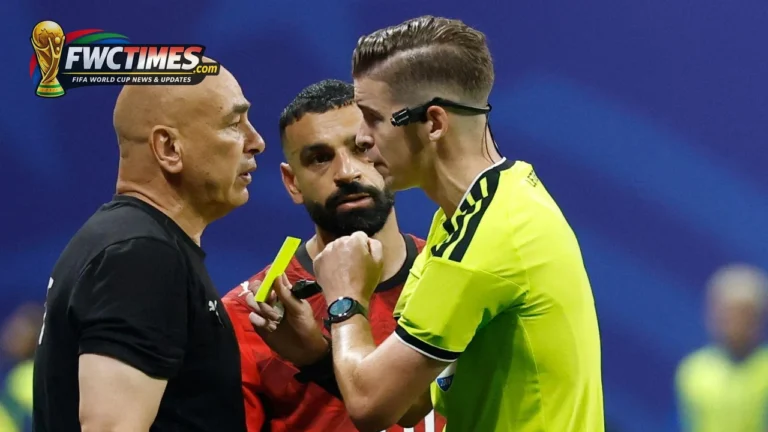
The absolute final deadline arrives on June 1, when managers must formally submit their official 26-man tournament squads. This date represents the most stressful moment of the entire cycle, as coaches must personally inform nearly half of their preliminary roster that they will not travel. Cutting professional athletes who have dedicated their entire lives to reaching this exact stage creates intensely emotional locker room environments. Managers must ruthlessly balance tactical necessity against personal loyalty when trimming the group down to the final 26 names. They often base their final decisions on tactical versatility, heavily favoring players who can effectively cover multiple positions during a deep tournament run.
The submission of the final list immediately triggers a massive wave of global media analysis and fan debate. Television pundits dissect every single omission, questioning why specific veteran leaders or exciting young talents were left at home. For the 26 players who survive the final cut, the June 1 announcement officially secures their place in football history. They receive their official squad numbers and complete their mandatory tournament media duties. The FIFA 26 organizing committee then locks these rosters into the official global broadcast graphics packages. From this exact moment forward, the tactical identity of every single competing nation is completely set in stone.
Strategic Demands of the 48-Team Format
The unprecedented expansion to 48 teams fundamentally changes how managers approach their final squad selection strategy. In previous tournaments, a team needed to survive seven matches to lift the trophy. The newly expanded format requires the eventual champions to navigate eight incredibly intense fixtures. This additional knockout round places an enormous premium on deep squad rotation and physical endurance. A manager can no longer rely heavily on a fixed starting eleven to dominate every single match without suffering severe muscular breakdowns. The final 26-man roster must contain highly capable substitutes who can seamlessly execute the tactical game plan without causing a drop in overall team quality.
To survive the grueling new schedule, modern national teams prioritize selecting specialist players for highly specific tactical scenarios. A coach might use their final roster spot on a dominant aerial defender purely for defending late-game corner kicks, or a penalty-kick specialist for the crucial knockout rounds. The aggressive climate in the North American host cities also forces managers to select athletes with proven stamina in high-humidity environments. Teams that lack sufficient quality on their substitutes bench will inevitably collapse during the intense second halves of matches. As a result, the players listed from numbers 18 to 26 on the squad sheet are now just as critical to ultimate tournament success as the starting superstars.
Emergency Replacements and Injury Protocols
Even after the strict June 1 deadline passes, the governing body provides one final mechanism for desperate managers facing sudden injury crises. Official tournament regulations allow a team to replace a seriously injured player up to 24 hours before their first scheduled match. Even so, this emergency replacement protocol requires strict medical verification from independent doctors appointed by the tournament organizers. A national federation cannot simply swap a player because the manager changed their tactical mind; the injury must legitimately prevent the athlete from participating safely. This rule prevents teams from manipulating their rosters based on last-minute scouting reports of their group stage opponents.
If an emergency replacement is authorized, the incoming player must be selected directly from the original May 11 preliminary list. This exact requirement highlights why coaches inflate their initial rosters to the absolute maximum limit of 55 players. The replacement player inherits the exact squad number of the injured athlete they are replacing to avoid logistical nightmares with pre-printed merchandise and broadcast graphics. Once a team kicks off their very first group stage match, the roster is completely frozen regardless of any subsequent injuries or illnesses. Navigating these strict deadlines requires perfect communication between the head coach, the medical staff, and the national federation administrators.
Frequently Asked Questions
The intense pressure surrounding these administrative deadlines proves that winning the ultimate football prize begins long before the first whistle blows.
Stay tuned to FWCTimes.com for the latest FIFA World Cup 2026 updates.
Read Also: Mexico Closes Schools 40 Days Early for World Cup 2026 Traffic