
FIFA Unveils Advanced Semi-Automated Offside Tech for 2026

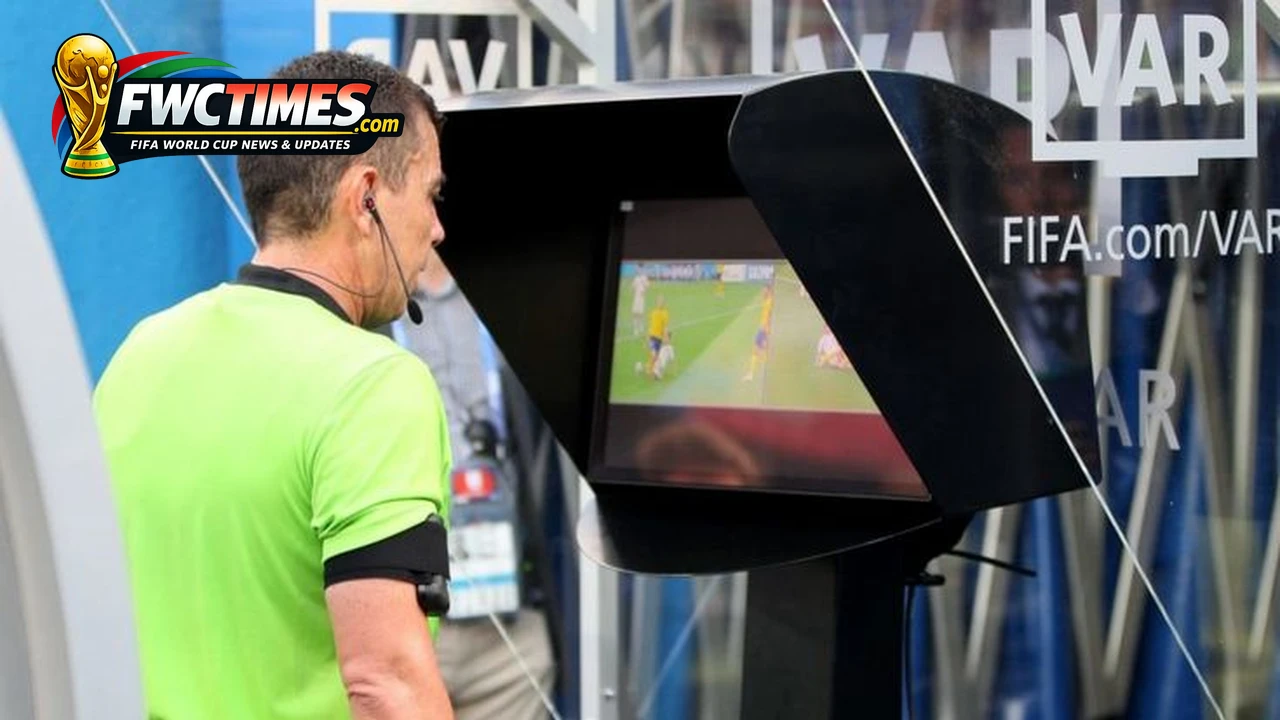
Nobody likes waiting five minutes for a referee to check a video screen. To fix this, the FIFA World Cup 2026 will use an advanced semi-automated offside technology. This new system is designed to make offside decisions much faster and much more accurate, so players and fans do not have to stand around waiting for the game to restart.
How the Cameras and Sensors Work
The new technology sounds like something from a science fiction movie. Inside the stadium, there are many special cameras placed under the roof. These cameras do not just record the game; they track the bodies of the players. They follow 29 different points on each player’s body, like their toes, knees, shoulders, and head. The cameras take a picture 50 times every single second to see exactly where everyone is standing.
But that is not all. There is also a small sensor hidden right inside the match ball. This sensor sends a signal 500 times per second to tell the computers exactly when a player kicks the ball. By combining the data from the ball and the data from the cameras, the computer instantly knows if a player was standing in an offside position when the pass was made.
Why It Is Faster Than Old VAR
In the past, video assistant referees (VAR) had to manually draw lines on a computer screen to see if an attacker was past the last defender. Sometimes the lines were hard to draw because a player’s arm or foot was blocking the view. This took a lot of time and made fans very angry.
Now, the computer draws the lines automatically in a few seconds. When a player is offside, the computer sends a quick alert to the video referee in the control room. The human referee just looks at the computer’s answer to make sure it makes sense, and then tells the referee on the field. This saves several minutes of waiting. It is a big topic in recent FIFA News updates because it changes how the game feels.
Showing the Fans the Truth
One of the best parts of this new system is the 3D animation. After the referee blows the whistle for offside, the computer creates a 3D video showing exactly why the player was offside. This animation is played on the giant screens inside the stadium and on the television broadcasts at home. It clearly shows if a player’s shoulder or knee was over the line.
Because the fans can see the clear proof on the screen, there are fewer arguments. Players cannot complain to the referee because the computer’s 3D image is perfect. It makes the game fairer and allows everyone to focus on the beautiful goals and saves instead of arguing about bad calls.
Frequently Asked Questions
Stay tuned to FWCTimes.com for the latest FIFA World Cup 2026 updates.
Read Also: Understanding the 48-Team Format