
Hard Rock Stadium Capacity and Layout Guide

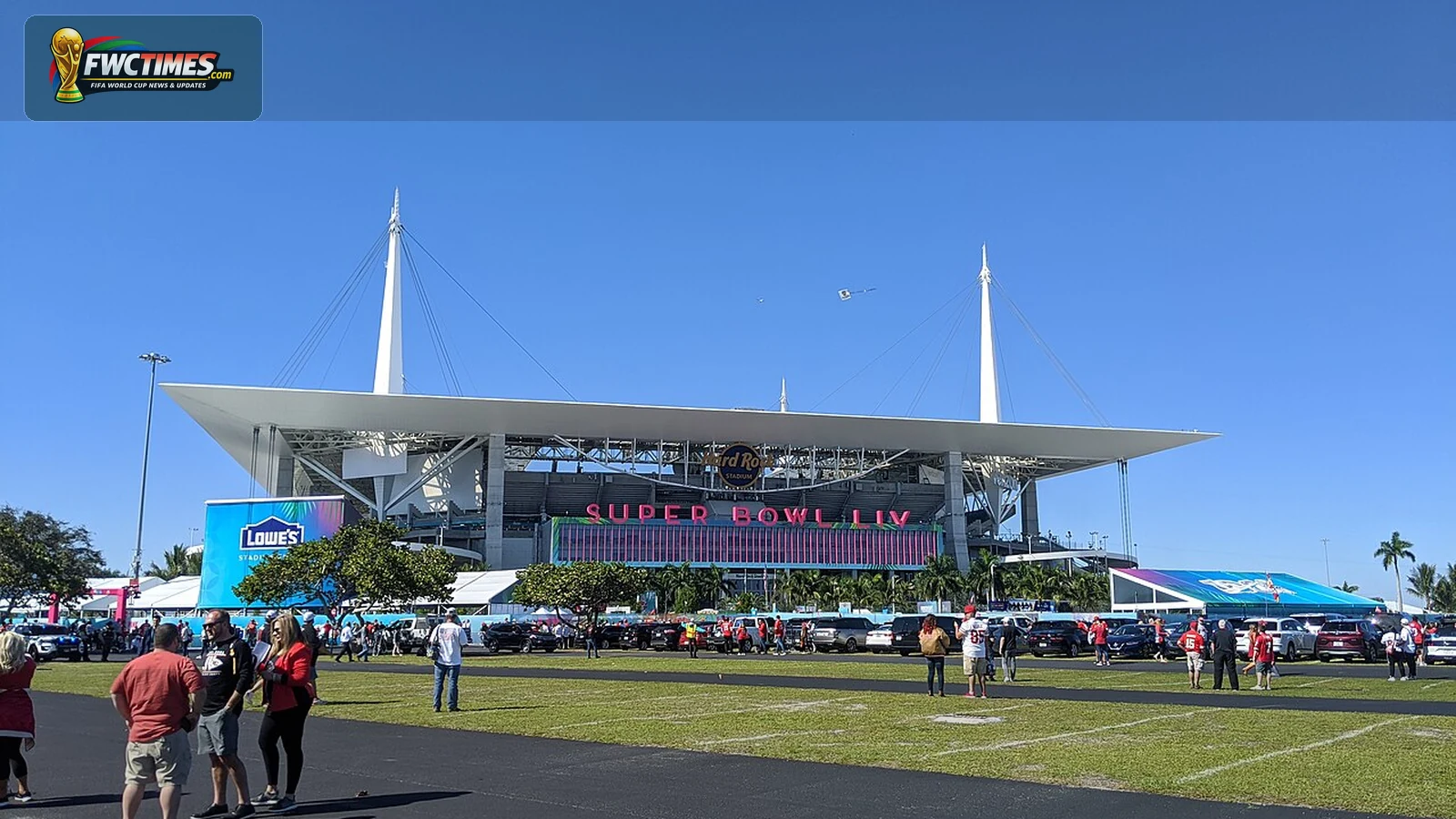
Hard Rock Stadium capacity is a key number for FIFA World Cup 2026 fans planning Miami tickets. The venue will operate as Miami Stadium during the tournament, with a planning capacity around 65,000 and seven matches across group and knockout play.
Capacity does not equal public ticket supply. FIFA can hold seats for teams, media, hospitality, accessibility, security, broadcast, and tournament operations before fans see available inventory in a ticket window.
Hard Rock Stadium Capacity for World Cup 2026
Hard Rock Stadium is one of the smaller United States venues in the 2026 World Cup lineup, but its match list is heavy. Miami gets four group matches, a round of 32 game, a quarterfinal, and the third-place match.
Different venue lists show slightly different capacity figures because normal NFL layouts and FIFA tournament layouts are not identical. The safest reader-facing number is around 65,000, with final saleable capacity controlled by FIFA’s approved match configuration.
| Capacity Detail | Planning Figure | Fan Note |
|---|---|---|
| World Cup capacity | Around 65,000 | Use FIFA ticket inventory as the final source |
| Venue name during tournament | Miami Stadium | Commercial stadium names are removed from FIFA listings |
| World Cup matches | 7 | Four group matches and three knockout matches |
| Biggest confirmed stage | Third-place match | Scheduled for July 18, 2026 |
| Location | Miami Gardens, Florida | North of downtown Miami and south of Fort Lauderdale |
Tournament Setup and Seat Inventory
World Cup setup changes how a normal stadium works. FIFA can adjust pitch space, broadcast camera positions, media platforms, advertising boards, hospitality blocks, team allocations, and accessible seating before tickets reach buyers.
Those changes matter most near field level and premium areas. A seat that exists for an NFL game may not appear in the same category, row, or price tier during a World Cup match.
Hard Rock Stadium Capacity by Seating Area
The bowl uses lower seats, 200-level club and suite areas, and upper seating. The Hard Rock Stadium seating map helps fans compare those zones before deciding whether closeness, shade, view height, or price matters most.
Capacity planning should also include walking distance and heat exposure. Miami’s summer conditions make shade, restroom access, water access, and gate assignment more important than a raw section number.
| Area | Role in Capacity | Best Buyer Fit |
|---|---|---|
| Lower sideline | High-demand close-view inventory | Fans who want player detail and atmosphere |
| Club level | Premium comfort and hospitality zones | Fans prioritizing shade, amenities, and view balance |
| Lower corner | Strong value near attacking areas | Fans who want energy without central pricing |
| Upper sideline | Large value inventory | Fans who want full-pitch visibility |
| Accessible platforms | Dedicated accessible inventory | Fans needing step-free routes and companion seating |
World Cup Matches and Demand Pressure
Miami’s schedule will create several demand spikes. Brazil vs Scotland and Colombia vs Portugal should draw strong support, while the July knockout matches will attract neutral fans, sponsors, media, and late-stage tournament demand across South Florida hotels.
The third-place match is especially important for capacity planning because it lands one day before the final. That fixture can pull fans who missed final tickets, supporters of eliminated semifinalists, and visitors already in the United States.
| Date | Match | Stage | Demand Read |
|---|---|---|---|
| June 15, 2026 | Saudi Arabia vs Uruguay | Group H | High opening demand |
| June 21, 2026 | Uruguay vs Cabo Verde | Group H | High supporter demand |
| June 24, 2026 | Scotland vs Brazil | Group C | Very high |
| June 27, 2026 | Colombia vs Portugal | Group K | Very high |
| July 3, 2026 | Round of 32 match | Knockout | Very high |
| July 11, 2026 | Quarterfinal | Knockout | Peak demand |
| July 18, 2026 | Third-place match | Knockout | Peak demand |
Ticket Info and Capacity Planning
Fans should buy through FIFA ticketing or authorized resale only. The World Cup 2026 tickets guide explains official sale phases, resale basics, and buyer safety rules.
Final saleable capacity can change after FIFA completes pitch, broadcast, hospitality, security, and accessibility layouts. Use official FIFA ticket inventory as the controlling source before purchase.
Frequently Asked Questions
Frequently Asked Questions
Frequently Asked Questions
Frequently Asked Questions
Frequently Asked Questions
Frequently Asked Questions
What is the official Hard Rock Stadium capacity for World Cup 2026?
FIFA lists the official Hard Rock Stadium capacity for the tournament in its venue specifications. The tournament configuration may differ from the standard domestic capacity. Fans should use the FIFA figure when planning their ticket purchase.
How does World Cup capacity differ from the standard capacity?
FIFA tournaments require additional space for camera platforms, media operations, and security zones. These areas reduce the seats available to the general public. The tournament seating map from FIFA provides the most accurate fan-facing figure.
How does ticket demand vary by match at this stadium?
Group-stage matches featuring popular nations sell out fastest. Knockout matches attract neutral buyers on top of the original supporter base. Fans should prepare backup ticket categories in case first-choice seats are unavailable.
How do fans travel to Hard Rock Stadium on matchday?
Taking Broward County Transit to Golden Glades Station is the most reliable matchday travel option. Services increase in frequency on match days across the tournament schedule. Fans driving to the venue must pre-book official parking well in advance.
Conclusion
Fans should treat capacity as a planning number, not a guarantee of available tickets. Seat map, transport route, match demand, and FIFA inventory will decide the practical buying experience in Miami Gardens for each matchday and ticket category on sale day.
Ticket buyers comparing demand can use the Miami World Cup 2026 fan guide to match capacity, hotel zones, and transport plans.
