FIFA World Cup Records Still Standing After 50+ Years

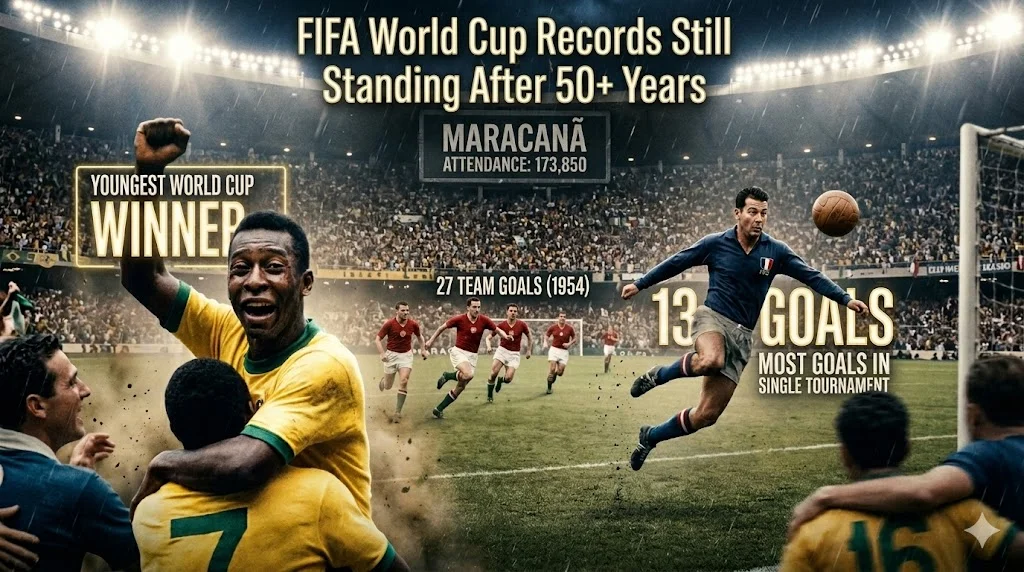
International football has seen many incredible records over the last century. Some achievements were established in the early editions of the tournament. This article covers the FIFA World Cup records still standing after fifty-plus years. Tactical changes and modern defensive organization make these records difficult to break.These achievements have stood as benchmarks for generations of players. They showcase the ultimate success of historic teams and individuals. Only a select group of legends holds these records.
FIFA World Cup Records Standing for Over 50 Years
Tracking historical statistics reveals the dramatic changes in playing styles over the decades. Early editions featured high-scoring matches with multiple records. The most famous long-standing records in tournament history are presented.
| Record Holder | Country | Record Detail | Year Set | Years Standing |
|---|---|---|---|---|
| Just Fontaine | France | 13 Goals in a single tournament | 1958 | 68 |
| Maracanã Stadium | Brazil | 173,850 attendance in a match | 1950 | 76 |
| Ernst Wilimowski | Poland | 4 Goals scored in a losing match | 1938 | 88 |
| Austria vs Switzerland | Austria | 12 Goals scored in a single match | 1954 | 72 |
| Pele | Brazil | Youngest winner of the tournament | 1958 | 68 |
| Pele | Brazil | Youngest goalscorer in history | 1958 | 68 |
The list highlights records that were set during a different football era. Tactical formations in the mid-twentieth century favored attacking play. Modern coaches focus on defensive structures and tactical caution. Strikers face organized defenses that limit scoring opportunities.Stadium safety regulations also limit capacity records. The match in 1950 featured standing sections that are now banned. Modern venues are all-seater stadiums that hold fewer fans. The attendance record remains untouchable.These historic achievements remain a vital part of football history. They inspire players to reach for elite milestones. Fans celebrate these records as symbols of a golden era. The holders are respected worldwide.
Just Fontaine Goalscoring Feast in 1958
Just Fontaine of France set a historic record in Sweden in 1958. The French striker scored thirteen goals in only six matches. He scored in every single match France played.His goals were scored through clinical finishing and movement. He scored a hat-trick against Paraguay and four goals against West Germany. Fontaine benefited from the creative play of Raymond Kopa. He remains the record holder for a single tournament.No player has reached double digits in a single edition since 1970. The closest challenger in modern times scored eight goals. Strikers must play extra matches to reach this tally today. Fontaine's record remains a peak achievement.His record shows the attacking freedom of the era. Defenses struggled to cope with his movements. Fontaine retired early due to injury but wrote his name in history. He remains a legend in France.
Pele Age Records in Sweden
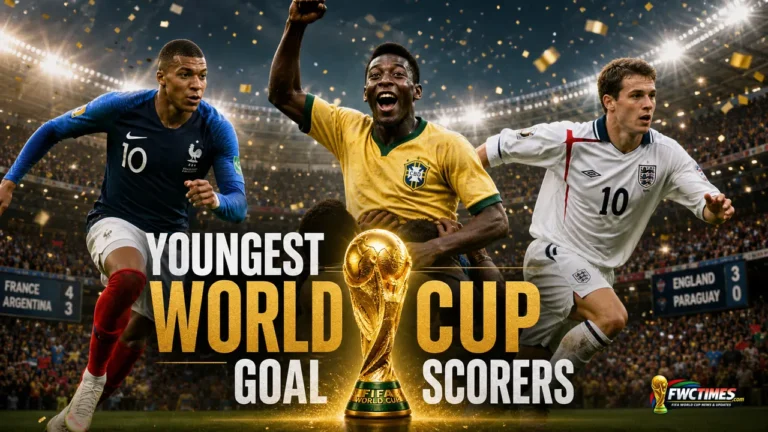
Pele of Brazil holds multiple records as the youngest player in history. He was only seventeen years and two hundred and thirty-nine days old when he scored in 1958. He scored against Wales in the quarter-finals.He became the youngest player to score a hat-trick against France. He then became the youngest winner of the tournament after defeating Sweden. Pele scored two goals in that historic final. His performances started his legendary career.His age records have stood for nearly seventy years. Young talents emerge in every generation but fail to match his impact. Pele combined youthful energy with exceptional technical dominance. He remains a symbol of football genius.His success in Sweden was a turning point for Brazilian football. He showed that a teenager can excel on the biggest stage. His records are a testament to his unique talent. Pele remains a global ambassador for the sport.
Highest Scoring Match in History
Austria and Switzerland played the highest-scoring match in Switzerland in 1954. The quarter-final match produced twelve goals in total. Austria won the game seven-five in extreme heat.The match is known as the Heat Battle of Lausanne. Switzerland led three-zero after fifteen minutes before Austria recovered. Both teams showed great attacking play but poor defensive organization. The record has stood for over seventy years.Modern tactical setups prevent such high-scoring games. Teams focus on maintaining defensive shape after scoring. Coaches emphasize control and caution in knockout rounds. The match remains a unique event in history.
World Cup 2026 Records Overview
The upcoming tournament in North America will feature new tactical challenges. Active players will look to break tournament-wide records. The expanded format will feature forty-eight teams.Teams will play more matches, providing more opportunities to score. You can read the
most goals in a single FIFA World Cup tournamentlist to compare. The journey to the title will be dramatic. We will see if any of these historic records can be broken. Fans are looking forward to the
Brazil FIFA World Cup statsupdates. The tournament starts soon.The new format will create more matches for teams that reach the semi-finals. This extra game might help forwards chase scoring records. Still, the physical demands will be intense. We will see how players adapt.
Frequently Asked Questions
What is the longest-standing player record in World Cup history?
Ernst Wilimowski’s record of scoring four goals in a losing match has stood since 1938. Poland lost that match 6-5 to Brazil in a classic tournament game.
Who holds the record for most goals in a single World Cup tournament?
Just Fontaine of France holds the record with thirteen goals in 1958. To see team titles, check the FIFA World Cup titles by country page.
What stadium holds the record for highest match attendance?
The Maracanã Stadium in Rio de Janeiro holds the record with 173,850 spectators in 1950. Modern safety regulations make it impossible to break this record.
Who is the youngest player to score and win a World Cup?
Pele of Brazil holds both records, having scored and won the tournament in 1958 at seventeen years of age. His records have stood for nearly seventy years.
Conclusion
Historical records reflect the changing nature of the sport over the decades. The ranking of FIFA World Cup records still standing after fifty-plus years highlights achievements that may never be broken. The upcoming tournament in North America will surely bring new historical stories.Stay tuned to FWCTimes.com for the latest FIFA World Cup 2026 updates.Read Also:
Top 10 Fastest Goals in FIFA World Cup History