New Zealand Name Wood And Smith In World Cup Squad

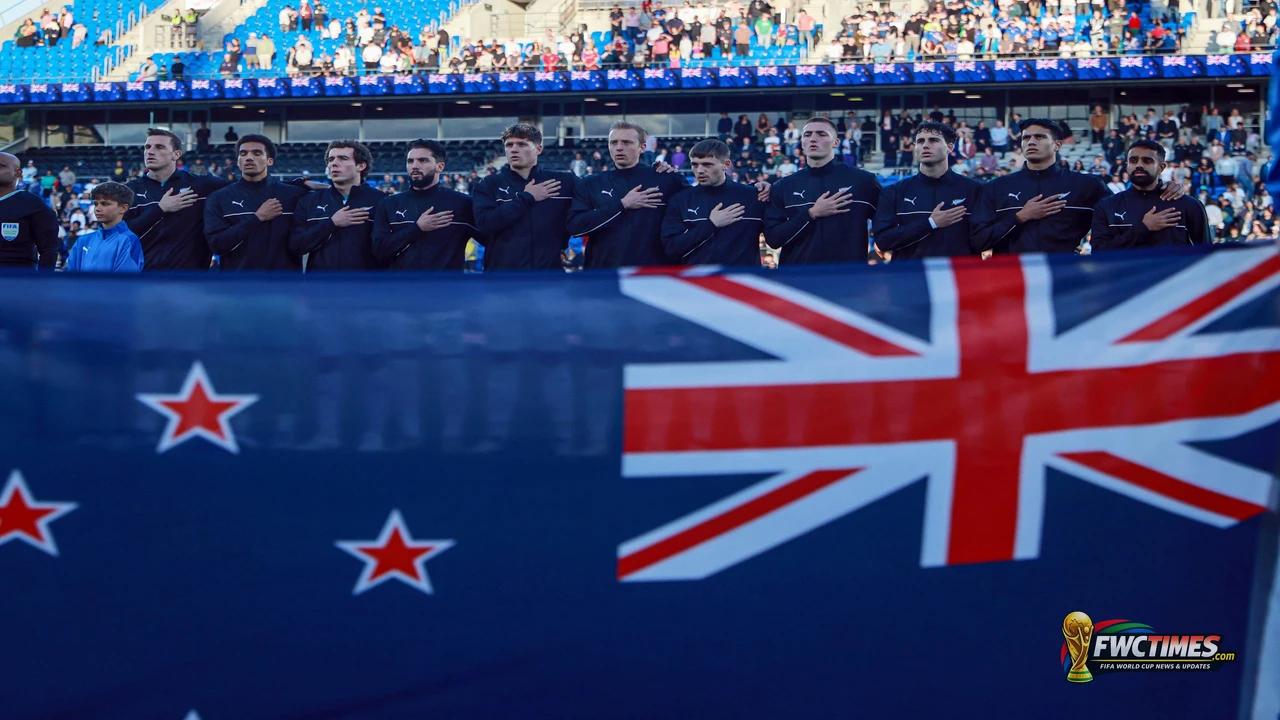
New Zealand World Cup 2026 squad is now locked, and Darren Bazeley has gone with a group that balances experience, continuity, and a few rising names. Chris Wood leads the 26-man selection as captain, while Tommy Smith returns to the World Cup stage 16 years after his last finals appearance. That gives the All Whites a squad with clear leadership at both ends of the pitch.
The final group tells a simple story. Bazeley trusted the core that secured qualification and then built around it with players who can handle a faster tournament level. New Zealand did not overcomplicate the call. The coach kept the dressing-room spine, preserved the team shape, and leaned into players who already understand how this side wants to defend and break forward.
The selection also matters because New Zealand are not arriving just to fill a group-stage place. They open against Iran, then face Egypt and Belgium in a section that demands discipline and smart game management. Readers tracking the wider FIFA World Cup 2026 build can already see how smaller qualified teams are trying to turn stability into knockout pressure.
Why Chris Wood and Tommy Smith shape this squad
Wood remains the face of the team and the most important attacking reference in the squad. His place was never in doubt, but the captaincy gives extra weight to his role because New Zealand need his goals, hold-up play, and calm presence if they want points against stronger opponents. He is still the player most likely to decide a match in one action.
Smith brings a different kind of value. His return links this squad to New Zealand’s last men’s World Cup campaign in 2010, and that experience gives the back line a player who has lived through the pressure of this stage before. Bazeley is not only picking a defender. He is adding a steady voice inside a group that will spend long stretches without the ball.
That combination says a lot about the coach’s thinking. New Zealand want a firm defensive base, enough calm in buildup, and a striker who can punish the small chances that tournament football usually offers. Anyone comparing Group G paths can also revisit Iran’s current squad mood, because that opener could shape the whole section.
New Zealand World Cup 2026 squad list
The final 26 sticks close to the players who earned qualification. Bazeley kept all 11 starters from the win over New Caledonia that sealed New Zealand’s place at the tournament, and that continuity should help once the matches tighten. The squad also shows how much more international the New Zealand player pool has become, with a large share of the group now based outside the domestic game and the A-League.
Goalkeepers
Max Crocombe, Alex Paulsen, and Michael Woud give New Zealand three distinct goalkeeping profiles. Paulsen carries the strongest long-term upside, Crocombe offers senior reliability, and Woud adds depth with a calm distribution base. Bazeley has enough variation there without any obvious weakness in the room.
Defenders
Tim Payne, Francis de Vries, Tyler Bindon, Michael Boxall, Liberato Cacace, Nando Pijnaker, Finn Surman, Callan Elliot, and Tommy Smith make up the defensive group. Boxall and Smith bring senior know-how, while Bindon and Surman give the back line fresh legs and growth potential. Cacace also gives the squad a useful blend of aggression and ball carry on the left.
Midfielders
Joe Bell, Matthew Garbett, Marko Stamenic, Sarpreet Singh, Alex Rufer, Ben Old, Callum McCowatt, Lachlan Bayliss, and Ryan Thomas give New Zealand technical control and work rate. Stamenic and Bell are central to the team’s balance, while Singh and McCowatt can shift the game higher up the pitch if the side need more risk. It is not a star-heavy midfield, but it is competitive and functional.
Forwards
Kosta Barbarouses, Eli Just, Jesse Randall, Ben Waine, and Wood complete the attack. Barbarouses and Just both scored in the qualifier that booked New Zealand’s ticket, so their places reflect trust earned on the pitch. Waine and Randall offer different movement patterns around Wood, which should help Bazeley change the attack without changing the team’s identity.
| Position | Player | Club |
|---|---|---|
| Goalkeeper | Max Crocombe | Millwall |
| Goalkeeper | Alex Paulsen | Lechia Gdansk |
| Goalkeeper | Michael Woud | Auckland FC |
| Defender | Tim Payne | Wellington Phoenix |
| Defender | Francis de Vries | Auckland FC |
| Defender | Tyler Bindon | Nottingham Forest |
| Defender | Michael Boxall | Minnesota United |
| Defender | Liberato Cacace | Wrexham |
| Defender | Nando Pijnaker | Auckland FC |
| Defender | Finn Surman | Portland Timbers |
| Defender | Callan Elliot | Auckland FC |
| Defender | Tommy Smith | Braintree Town |
| Midfielder | Joe Bell | Viking FK |
| Midfielder | Matthew Garbett | Peterborough United |
| Midfielder | Marko Stamenic | Swansea City |
| Midfielder | Sarpreet Singh | Wellington Phoenix |
| Midfielder | Alex Rufer | Wellington Phoenix |
| Midfielder | Ben Old | Saint-Etienne |
| Midfielder | Callum McCowatt | Silkeborg IF |
| Midfielder | Lachlan Bayliss | Newcastle Jets |
| Midfielder | Ryan Thomas | PEC Zwolle |
| Forward | Kosta Barbarouses | Western Sydney Wanderers |
| Forward | Eli Just | Motherwell |
| Forward | Jesse Randall | Auckland FC |
| Forward | Ben Waine | Port Vale |
| Forward | Chris Wood | Nottingham Forest |
What this squad means for New Zealand now
New Zealand are going to the finals with a more settled group than many people expected. That is useful in itself because the All Whites are entering a group where every mistake will carry extra weight. Iran are organized, Egypt can force difficult transitions, and Belgium still bring a higher individual level than most teams in this tier.
The upside for New Zealand is clarity. The team know what it is, and the squad reflects that. Bazeley has chosen a group that can sit compact, work for long stretches, and then look for Wood or quick runners in direct moments. Readers watching another British-linked tournament story can also check Scotland’s final squad call, because both teams are leaning on veteran calm rather than squad churn.
The real question is whether New Zealand can turn stability into points. They do not need to dominate games to stay alive in this group. They need sharp defending, a ruthless set-piece level, and a captain who can convert the few moments that open up. Stay tuned to fwctimes.com for the latest FIFA World Cup 2026 news.
Frequently Asked Questions
Read Also: Scotland Pick Messi’s Inter Miami Base For World Cup Camp