FIFA World Cup Prize Money in 2026

The total FIFA World Cup Prize Money pool for international teams will reach new heights in the upcoming tournament. FIFA plans to distribute substantial payouts to all participating national football associations. This massive financial reward encourages developing nations to invest heavily in their domestic sports infrastructure. Fans can expect highly competitive matches as teams fight for glory and financial success.
Each participating country receives a guaranteed preparation fee before the opening kickoff. The further a national squad advances, the larger their total payout becomes. Having structured financial incentives helps federations cover extensive travel and training expenses. Supporters are tracking the official announcements to see the final figures.
This guide breaks down the expected payouts for the upcoming summer matches. We cover the guaranteed minimums, knockout bonuses, and comparison stats. Our analysis explains the economic side of the tournament.
How much is FIFA World Cup 2026 prize money?
The FIFA World Cup Prize Money pool in 2026 is projected to exceed four hundred forty million dollars. Each qualified nation receives a guaranteed minimum payout of at least nine million dollars. The tournament champion will earn more than forty-two million dollars in total rewards.
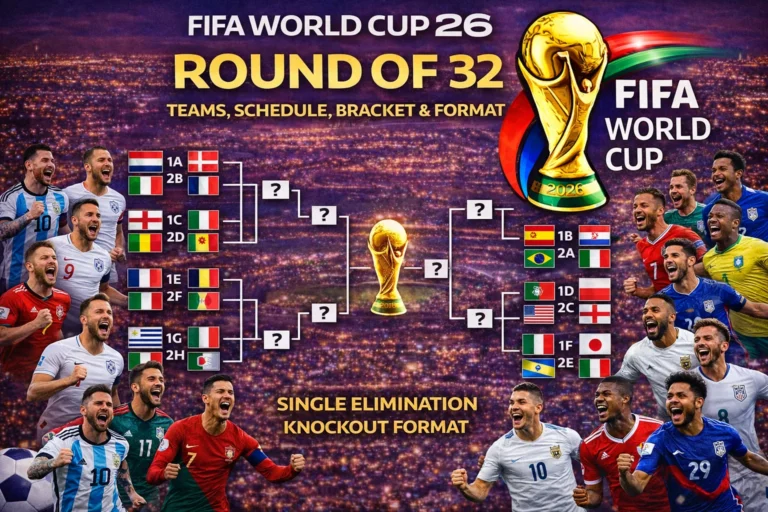
Federations use these funds to cover player bonuses and team logistics. Read the world cup prize money payment guide to see how payouts are handled. Check the FIFA World Cup round of 32 bracket to see the knockout path. You can also view the FIFA World Cup group stage matches list to track team paths.
| Tournament Finish Stage | Projected Team Payout | Guaranteed Player Share |
|---|---|---|
| Group Stage Participant | $9.0 million | yet to be confirmed |
| Round of 32 Teams | $13.0 million | yet to be confirmed |
| Round of 16 Teams | $17.0 million | yet to be confirmed |
| Quarterfinalist Teams | $25.0 million | yet to be confirmed |
| Fourth Place Finish | $25.0 million | yet to be confirmed |
| Third Place Finish | $27.0 million | yet to be confirmed |
| Runner-up Team | $30.0 million | yet to be confirmed |
| Tournament Champion | $42.0 million | yet to be confirmed |
Format changes and FIFA World Cup Prize Money projections
The expansion to forty-eight teams increases the total revenue generated by the tournament. This extra income allows FIFA to boost the overall prize fund significantly. Federations receive larger preparation payments to coordinate their training camps. These initial resources help mid-tier nations prepare on equal terms with traditional giants. The expanded system supports football development worldwide.
The introduction of the extra knockout round changes the payment structure. Teams that reach the Round of 32 earn extra bonuses. The financial rewards scale up rapidly as squads advance through the bracket. This format guarantees that every knockout match carries massive financial implications for the federations.
Federations allocate their prize earnings to support youth academies and local stadiums. Reaching the finals can transform the financial health of a smaller national association. Administrators can hire elite coaching staffs to guide their national selections. These long-term benefits show the true value of qualifying.
The distribution process requires detailed audit reports from all participating members. FIFA monitors the fund allocation to ensure players receive their promised shares. Having clear financial agreements prevents disputes between athletes and directors. These guidelines ensure a professional environment for the teams.
Knockout rounds share of FIFA World Cup Prize Money
Knockout matches generate the highest global television audiences and advertising revenues. As a result, FIFA concentrates a larger share of the prize pool in these rounds. Winning a single knockout match can boost a team’s payout by millions. Managers prioritize defensive discipline to secure these vital tournament victories.
The financial gap between the group stage and the final is substantial. Finalist teams receive the largest payouts to reward their tournament consistency. Still, even the teams eliminated early receive enough funds to cover their base budgets. This balance ensures fairness across all participating nations.
Comparison of prize funds across editions
The overall prize pool has grown steadily over the last two decades. The 2022 tournament in Qatar distributed four hundred and forty million dollars. The upcoming edition will surpass this total to set a new record. Having more matches helps generate the necessary sponsorship revenues to support this expansion.
Sponsors are eager to associate their brands with the expanded tournament. This commercial interest drives up the value of broadcasting rights worldwide. The extra revenue flows directly back into the prize pool allocations. Federations use these resources to upgrade their medical and training equipment.
Host cities also benefit from the increased spending of traveling supporters. Restaurants and hotels report record revenues during the month-long event. Still, the direct prize payouts remain the primary financial focus for the teams. Winning the trophy remains the ultimate sports and financial achievement.
Player bonuses and federation payment systems
Each national federation negotiates its own bonus structure with the players. The squad members receive a percentage of the total prize payout. Some associations offer flat fees per match, while others use performance-based systems. These agreements are usually signed months before the tournament begins.
The players demand fair compensation for representing their countries on the global stage. Professional contracts detail the exact shares for players, coaches, and staff members. FIFA supports these transparent agreements to maintain harmony within the squads. This coordination helps players focus entirely on their performance.
Frequently Asked Questions
What is the total FIFA World Cup Prize Money pool for 2026?
The total prize pool is projected to exceed four hundred and forty million dollars. The final amount will be officially confirmed before the tournament starts.
How much does the winning team receive?
The champion is expected to earn over forty-two million dollars. This payout represents the largest single team reward in tournament history.
Do players get paid directly by FIFA?
No, FIFA distributes the prize money to the national federations. The federations then pay the players based on their private agreements.
Is there a participation fee for qualified teams?
Yes, every qualified team receives a guaranteed minimum of nine million dollars. This payment helps cover travel, training, and base logistics.
Conclusion
The expanded tournament format brings larger financial rewards for all participating squads. The growing FIFA World Cup Prize Money pool highlights the commercial success of global football. Track the match results closely to see which nation claims the largest payout.
Read Also: Which Teams Have Never Won the World Cup? Famous Near-Miss Nations