
SMU Washburne Stadium Lands World Cup 2026 Role

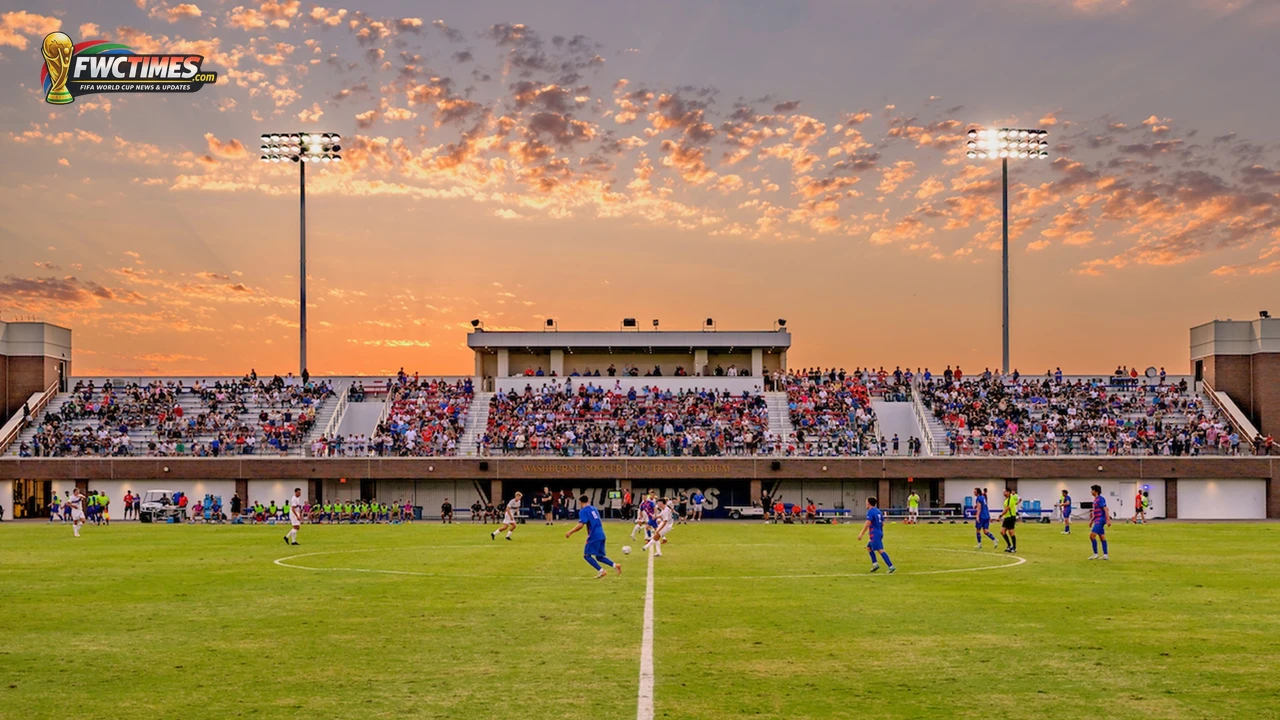
SMU’s Washburne Stadium is now an official SMU Washburne Stadium World Cup training site. The selection gives Dallas another operational role before FIFA World Cup 2026 opens and pushes Southern Methodist University into the tournament footprint again. That makes the story more important than a campus facilities note. It shows how deeply Dallas is spreading its World Cup infrastructure beyond the main stadium itself.
SMU confirmed the news on Monday, May 18, 2026, and WBAP/KLIF echoed the same core facts. Washburne Soccer and Track Stadium will serve as a Venue Specific Training Site for teams playing at Dallas Stadium during the tournament. SMU also said the venue had already served a similar role during the 1994 World Cup, when it was known as Westcott Field. That historical link gives the story more depth than a one-off host-city expansion.
The timing matters because Dallas is carrying the heaviest U.S. match load of the tournament. The region will stage nine matches, including a semi-final, and that already put transport, security, and venue logistics under close scrutiny. Readers tracking the full match picture can use the Dallas match schedule and the wider host-city match-count story. Washburne’s selection shows how Dallas is building support sites around that center of gravity.
Why SMU’s Training Site Selection Matters In Dallas
Training sites rarely get the public attention of match venues, yet teams care about them in very practical ways. They need controlled access, quality pitches, privacy, recovery space, and short travel windows between training and matchday operations. That is why this selection matters. Dallas did not just need a marquee stadium. It needed working infrastructure around it.
SMU’s campus gives organizers a clean, contained setting inside a city that already has strong major-event experience. The university framed the story as a sign of its growing global reach, while local radio coverage emphasized its placement inside Dallas’ broader World Cup ecosystem. Both points are valid. The site helps Dallas operationally, and it also gives SMU a global visibility moment tied to a major sporting event.
There is a branding win here too. Dallas has already taken headlines around its nine-match slate and operational headquarters role. Adding SMU to the map extends that identity into higher education, campus facilities, and local sports culture. The city does not just host matches. It now looks built to support the tournament across multiple layers.
What Makes Washburne A Logical Venue Specific Training Site
SMU’s own facilities material helps explain the choice. Washburne opened in its current form in 2022, sits at 6000 Ownby Drive, and has a listed capacity of 2,577. It also includes modern team spaces and sits inside a campus environment that is easier to control than many open commercial venues. Those details matter much more to team operations than headline capacity alone.
The university also tied the decision to recent stadium upgrades. SMU’s May 18 release said the site arrives at this moment after continued investment and just as the school carries wider athletic momentum, including an ACC title in men’s soccer. That does not prove the upgrades were made for FIFA use, but it does show that the stadium was not standing still when the selection came.
The privacy rule confirms the real purpose of the site as well. SMU said team training activities at Washburne will not be open to the public. That line tells you what organizers value most. The stadium is there to help teams prepare efficiently, not to become another open fan festival attraction.
| Training Site Detail | Confirmed Value | Why It Matters |
|---|---|---|
| Venue name | Washburne Soccer and Track Stadium | The site now sits inside Dallas’ official World Cup support plan. |
| Institution | Southern Methodist University | SMU gains direct operational involvement in the tournament. |
| Status | Official Venue Specific Training Site | Teams playing at Dallas Stadium can use it as part of their match preparation. |
| Current stadium era | Opened in current form in 2022 | The venue is modern enough to meet elite team expectations. |
| Capacity | 2,577 | The site is built for training control, not public event scale. |
| Public access | Closed to the public during team training | Operational privacy is a core part of the selection. |
Why The 1994 Link Gives The Story More Weight
SMU did not present this as a first-time miracle. The university reminded readers that the site, under its old Westcott Field identity, had already played a part in the 1994 World Cup. Germany, Bulgaria, Sweden, and the Netherlands all trained there ahead of Cotton Bowl matches. That record gives the school something many training-site candidates cannot claim. It has hosted this level of football attention before.
That history also sharpens the local legacy angle. Dallas has long wanted to present itself as a city that understands major football events, not a new host learning on the job. Washburne’s return to the World Cup structure helps support that claim. The site becomes proof that Dallas is reactivating older tournament memory while building new infrastructure around it.
There is also a symbolic benefit for SMU itself. Universities often chase global visibility through academic partnerships, research, and alumni reach. World Cup inclusion offers a different type of exposure. It places the campus inside a live international sports network where teams, officials, and media all move through the same local map.
What This Means For Dallas During Tournament Month
Dallas already had one of the most demanding World Cup workloads in North America. The city must manage matchday crowds, transport pressure, broadcast traffic, and security around nine fixtures. A functioning training-site network reduces stress because it distributes part of the tournament footprint beyond the main venue. That is the quiet operational win behind this announcement.
The selection also reinforces how much Dallas is leaning on institutions outside the stadium walls. Anyone following the wider city-build story can also compare FIFA’s Dallas operational headquarters setup and the recent Dallas mural backlash. Those stories show different sides of the same buildup. Dallas is expanding event capacity fast, and each new layer creates both opportunity and scrutiny.
SMU now becomes part of that scrutiny too. The site does not need to become famous with fans to matter. It simply needs to work perfectly for whichever team uses it. That is often how training venues make their real contribution. They disappear into smooth execution, and that is exactly what organizers want.
What SMU And Dallas Still Need To Get Right
The selection is positive, but it does not end the work. Tournament training sites need pitch quality, secure movement, recovery logistics, and clean timing around team arrivals. They also need coordination with the host stadium’s wider schedule and security posture. Any weak link there can disrupt preparation even when the public never sees it.
SMU’s role looks well-suited to that challenge because the venue is contained and recently upgraded. Dallas also has enough event scale to absorb the support task. Yet the real test arrives only when teams start moving through the city in June. That is when a training-site selection stops being a headline and becomes live operations.
Right now, the announcement works as another signal of Dallas’ tournament reach. Washburne will not stage matches, but it will still help shape how teams experience the city. That is meaningful work in a tournament this large, and it gives SMU a place inside one of the summer’s biggest global events.
Frequently Asked Questions
SMU will not host the spectacle side of World Cup 2026, yet it now has a meaningful operational place inside the event. That is a strong local win and a useful sign of how wide Dallas’ tournament footprint has become.
Stay tuned to fwctimes.com for the latest FIFA World Cup 2026 updates.
Read Also: Dallas World Cup 2026 Match Count Leads All Host Cities