World Cup 2026 Best Xi After Tournament Explained for Fans


The World Cup 2026 best XI after tournament selection will represent the absolute peak of individual soccer performance. The final Dream Team will only be decided after the final match on July 19. That said, sports analysts are already tracking the top performers throughout the group stage. Fans can follow our live performance trackers to see which stars lead the race.
Voters will select the players based on their overall contribution rather than simple reputation. Star players must deliver consistent performances in the knockout rounds to secure their place. On top of that, team progress in the later stages will influence the final choices. A successful run to the semi-finals will boost any individual candidacy.
Selecting the World Cup 2026 Best XI After Tournament
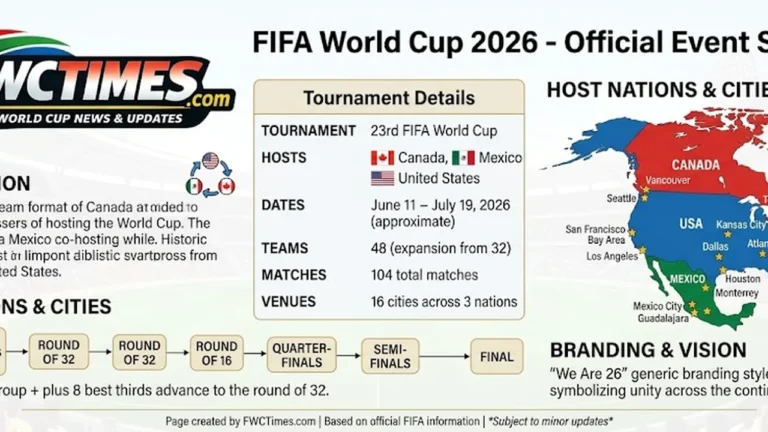
The FIFA Technical Study Group will officially choose the final squad after the tournament. They will analyze matches across Canada, Mexico, and the United States to evaluate players. Since the tournament features forty-eight teams, the selection pool is larger than previous editions. The expanded format allows more players to showcase their abilities.
A balanced tactical shape like a 4-3-3 helps organizers create a realistic team. This structure gives equal value to defensive resilience and attacking brilliance on the flanks. As a result, defensive midfielders and modern full-backs have a clear path to the squad. The final lineup will represent the tactical trends of the tournament.
| Best XI Item | Current Status |
|---|---|
| Official FIFA Best XI | yet to be confirmed |
| Selection Formation | 4-3-3 (Projected) |
| Selection Date | After the July 19, 2026 final |
| Main Selection Factors | Performance, match impact, role balance, knockout influence |
| Final Venue | New York New Jersey Stadium |
| Tournament Size | 48 teams and 104 matches |
Projected Watchlist Contenders
Several elite footballers enter the tournament with high expectations surrounding their performances. Real Madrid attacker Kylian Mbappe will lead the French attack with his incredible speed. In fact, his World Cup record makes him a perennial favorite for individual awards. Supporters expect him to deliver multiple goals in the group stage.
Uruguay midfielder Federico Valverde brings incredible running power and defensive quality to his team. He will dominate central areas and protect his defenders against fast transitions. Since he also possesses a powerful long-range shot, he can decide close matches. His work rate makes him a key candidate for the midfield.
Tactical Role of World Cup 2026 Best Xi After Tournament
Brazil will rely on Vinicius Junior to create chances from the left wing. His dribbling ability forces opponents to defend deep inside their own penalty box. Yet other strikers like Erling Haaland will challenge for the central forward spot. The scoring race will heavily influence the final attacking choices.
Dark Horses and Breakthrough Candidates
Underdog teams often produce standout performers who surprise the football world. A goalkeeper from a lower-ranked nation can earn his place through penalty saves. So fans should monitor our guide on tournament dark horses. These squads often expose weaknesses in the established football powers.
Team strength dictates how much exposure individual players receive during the event. Fans should review the latest power rankings to identify potential contenders. Even so, individual brilliance can shine in struggling teams during the group stage. Every match offers a chance for a new star to emerge.
Key Factors for Final Selection
Knockout matches carry more weight because players face extreme pressure in late stages. A single goal in a quarterfinal carries more value than group-stage statistics. So voters will prioritize consistency and big-match temperament when finalizing the team. The ultimate team must reward players who deliver when it matters most.
Injuries represent a major risk that can disrupt any tournament campaign. Fans can follow our injury news section to track player fitness levels. Since coaches must manage tired squads, substitutions will play a massive tactical role. Maintaining fitness throughout the summer is key to winning individual honors.
Frequently Asked Questions
Has the World Cup 2026 Best XI been selected?
No, organizers will select the official squad after the final match. The tournament starts on June 11 and finishes on July 19. So the final Dream Team will be confirmed then. Until then, fans can track projected candidates.
Who is in the projected World Cup 2026 Best XI?
The pre-tournament watchlist features Mbappe, Vinicius Junior, Messi, and Valverde. Yet this list is only a projection based on current form. Real performances during the matches will decide the final team. So surprise names will likely enter the squad.
Which formation fits the Dream Team best?
A 4-3-3 formation provides the cleanest balance for a tournament Dream Team. It allows one goalkeeper, four defenders, three midfielders, and three attackers. In fact, this shape matches modern tactical systems perfectly. It accommodates both wide attackers and holding players.
Can players from smaller nations make the Best XI?
Yes, players from smaller teams can make the squad. They must deliver outstanding individual displays in the group stage to qualify. Since goalkeepers face more shots, they often have a strong chance. Knockout progress is not the only requirement.
When will the final team be updated on this site?
We will publish the final Dream Team immediately after the final whistle. The update will separate official FIFA choices from our own editorial picks. So readers will get a comprehensive view of the best performers. After all, different media outlets will have different opinions.
Conclusion
The race for the ultimate tournament lineup remains completely open to all players. While established stars begin with high visibility, new heroes will emerge during the summer. So followers can visit the FIFA World Cup 2026 portal for daily performance updates. The tournament will write a new chapter in football history soon.
We will update this guide regularly to reflect real match statistics and forms. The final dream team will celebrate the absolute best moments of the competition. As a result, this article will serve as a permanent record of glory. Let us prepare for the opening kickoff in North America.