Legal Battle: California Attorney General Labels FIFA World Cup 2026 Ticket Policy “Illegal”

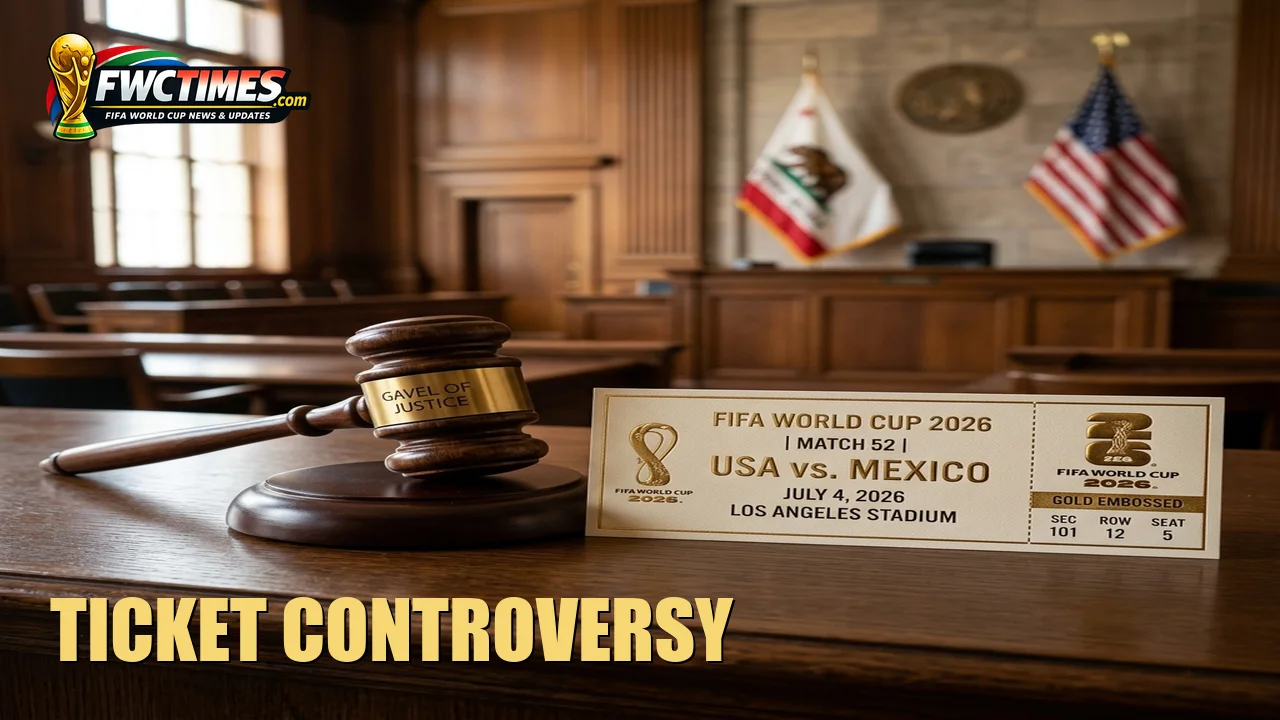
California Attorney General Rob Bonta has launched a formal inquiry into the FIFA World Cup 2026 ticketing policies, alleging that the tournament’s restrictive resale and transfer rules may violate state consumer protection laws. In a strongly worded letter sent to FIFA headquarters on May 13, Bonta expressed concerns that the current framework creates an “illegal tie-in” arrangement that prevents fans from fairly managing their purchased assets. This legal challenge could have sweeping implications for matches scheduled at major venues like SoFi Stadium in Los Angeles and Levi’s Stadium in the San Francisco Bay Area.
Quick Answer: Is the FIFA World Cup 2026 ticket policy illegal?
The California Attorney General has issued a warning that FIFA’s non-transferable ticket policy and resale restrictions likely violate California’s anti-competition and consumer rights laws. While FIFA maintains these rules are to prevent scalping, California law protects the right of consumers to transfer or resell tickets they have legally purchased.
Consumer Rights vs. Anti-Scalping: The California Legal Challenge
At the heart of the World Cup 2026 ticket controversy is FIFA’s insistence on using a closed-loop digital ticketing system. This system mandates that all tickets must be managed through the official FIFA app and can only be resold via the organization’s proprietary platform at capped prices. Attorney General Bonta argues that such restrictions deprive California residents of their “right of ownership,” effectively forcing them into a monopoly that stifles secondary market competition.
California’s consumer protection statutes are among the most robust in the United States. State law specifically prohibits businesses from imposing unreasonable conditions on the resale of entertainment tickets. By locking fans into a single ecosystem, FIFA may be in direct violation of these statutes. Bonta’s office has requested a detailed breakdown of FIFA’s technical and legal justification for these measures, hinting that a formal lawsuit could follow if the policies are not amended for California-based venues.
Impact on World Cup Matches in Los Angeles and San Francisco
California is set to host some of the most high-profile matches of the 2026 tournament. With the host nation’s opening fixtures and several knockout rounds scheduled for the West Coast, the legal status of tickets is a primary concern for local fans. If the Attorney General successfully challenges the policy, FIFA may be forced to allow interoperability with third-party resale platforms like StubHub or Ticketmaster for all matches held within California state lines.
| Issue | FIFA Position | California AG Concern |
|---|---|---|
| Resale Platform | FIFA Official App Only | Illegal Monopoly / Tie-in |
| Transferability | Highly Restricted | Violates Consumer Ownership |
| Price Caps | Controlled by FIFA | Anti-Competitive Behavior |
| Venue Access | Digital Only | Discriminatory for Non-Tech Users |
Industry analysts suggest that this confrontation could create a “two-tier” ticketing system for the 2026 tournament. While fans in other host states like Texas or Florida may still be subject to FIFA’s strict rules, those attending games in California could enjoy significantly more freedom. This creates a logistical nightmare for FIFA, which relies on a unified global system to manage millions of match entries. The organization has yet to issue a formal public rebuttal to Bonta’s allegations.
How the Controversy Affects Current Ticket Holders
For fans who have already secured seats through the initial World Cup ticket application phases, the news brings a mix of uncertainty and hope. While the legal battle is unlikely to impact the validity of the tickets themselves, it may significantly change how those fans can transfer seats to family members or recoup costs if they can no longer attend. The Attorney General’s office has advised fans to keep detailed records of their purchase agreements and any restrictive terms they were forced to accept.
The controversy also highlights the growing tension between global sporting bodies and local jurisdictions. As major events become increasingly digital-first, the friction with local consumer laws is reaching a breaking point. California’s intervention is seen as a bellwether for other host states, with reports indicating that New York and Washington state are also monitoring the situation closely. A win for Bonta in California could trigger a nationwide overhaul of how the World Cup handles its ticketing inventory.
Frequently Asked Questions
Conclusion
The legal showdown between California and FIFA is more than a simple regulatory dispute; it is a battle over the future of digital ownership in sports. As the World Cup 2026 approaches, the resolution of this conflict will determine whether fans are truly owners of their tickets or merely temporary licensees subject to the whims of a global governing body. For now, the eyes of the sporting world are on California, where a single letter from an Attorney General has thrown the tournament’s billion-dollar ticketing engine into a state of flux.
Read Also: Fan Victory: US Waives $15,000 Visa Bonds for FIFA World Cup 2026 Ticket Holders
Stay tuned to FWCTimes.com for the latest FIFA World Cup 2026 news updates.