World Cup 2026 Travel Cost Estimate & Budget

Estimating your World Cup 2026 travel cost early is essential to enjoy the tournament without financial stress. The expanded matches across three host nations will test fan resources. Traveling between the United States, Canada, and Mexico requires careful organization. Supporters can expect varied prices depending on their selected destinations.
Each host city features different hotel rates and transit options. Early booking remains the most effective strategy to secure affordable rates. Supporters are tracking official ticketing schedules to budget their expenses. Planning your itinerary in advance helps you control total spending.
This guide provides a comprehensive budget breakdown for traveling supporters. We cover flights, accommodation, match tickets, and daily costs. Our analysis helps you plan a realistic tournament budget.
How much will World Cup 2026 travel cost?
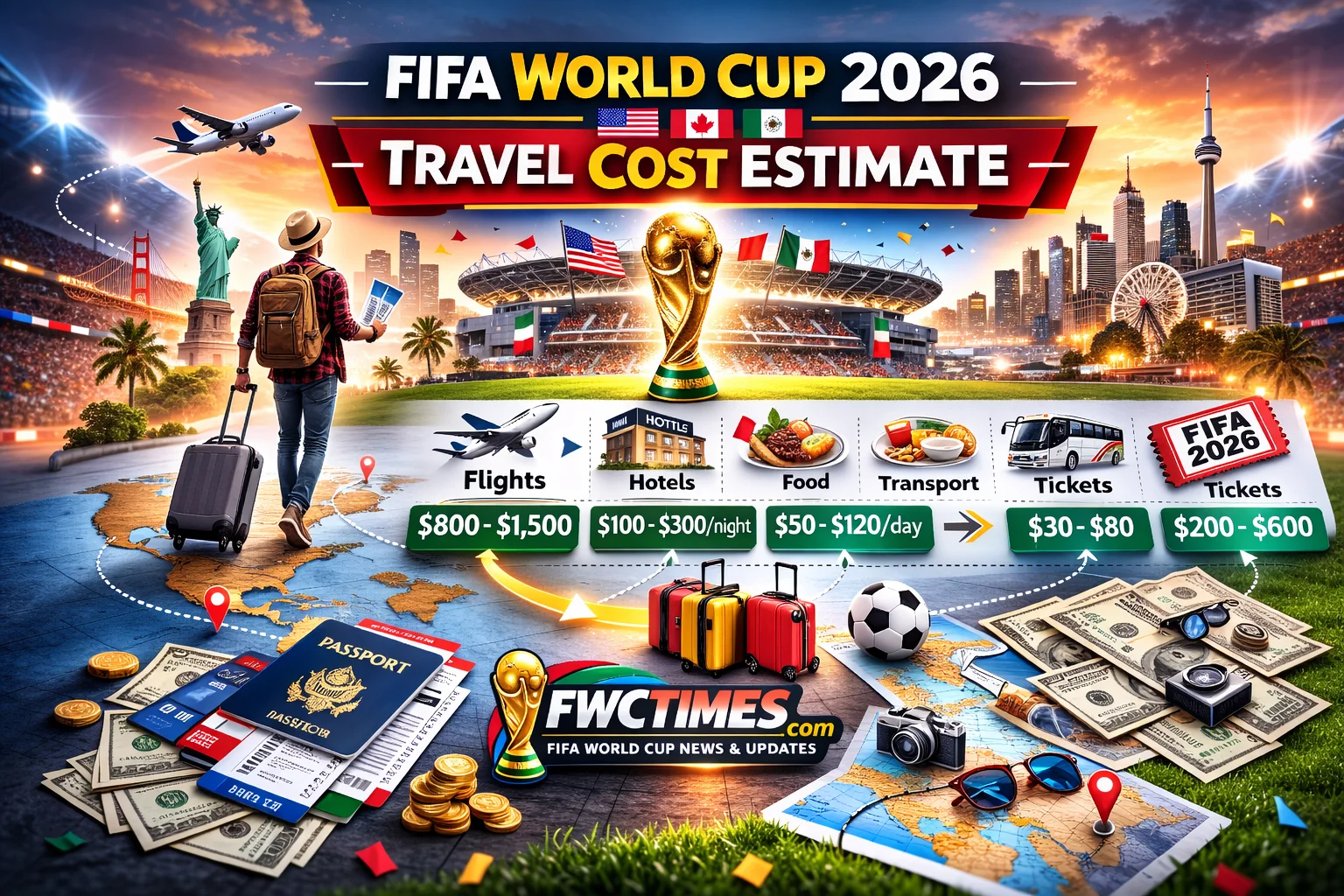
A typical seven-day World Cup 2026 travel cost ranges from fifteen hundred to four thousand dollars. Budget fans can expect to spend around two hundred dollars daily on food and transport. Sticking to a single regional cluster is the best way to keep your expenses low.
Supporters can check the tourists travel between USA Canada Mexico guide to plan transit. Read the cheapest World Cup tickets details to budget stadium entry. You can also review host cities in our FIFA World Cup hosts venue map.
| Expense Category | Budget Option (Daily) | Mid-Range Option (Daily) | Premium Option (Daily) |
|---|---|---|---|
| Accommodation Stays | $80 – $120 | $150 – $250 | $400+ |
| Food and Meals | $30 – $50 | $70 – $120 | $200+ |
| Local Transportation | $15 – $25 | $40 – $70 | $150+ |
| Daily Spend Subtotal | $125 – $195 | $260 – $440 | $750+ |
Major factors affecting your World Cup 2026 travel cost
Flight distances across North America represent the largest expense driver for fans. Traveling between Canadian venues and Mexican cities requires long-haul flights. Sticking to regional venue clusters reduces these flight costs significantly. Fans should plan their schedules around a single region to save funds. This strategic decision helps keep your transit budget under control.
The duration of your stay directly impacts your total accommodation expenses. Hotel prices will rise as match dates approach in the host cities. Booking refundable rooms early protects you from peak price hikes. Supporters can also explore shared rentals with friends to split the lodging bills. These collaborative efforts help reduce the overall travel expenses.
Local transit choices also play a key role in your daily spending. Using public trains and buses remains much cheaper than renting cars. Many host stadiums feature direct rail links to city centers. Fans should download regional transit maps to plan their routes. Staying informed helps you avoid expensive taxi fares near the stadiums.
Food and dining expenses vary greatly between the host nations. Mexico offers excellent, budget-friendly dining options for supporters. Canada and the United States feature higher average restaurant prices. Preparing simple meals at home helps you save money for match tickets. Balancing your food choices is key to maintaining your budget.
Accommodation options to lower World Cup 2026 travel cost
Host cities will experience massive demand for lodging during the match weeks. Booking rooms outside the immediate city centers offers substantial savings. Still, you must factor in the extra transit time to reach the stadiums. Comparing different booking platforms helps you find the best deals. Having flexible travel dates can also open up cheaper lodging options.
Hostels and university dorms provide cheap alternatives for solo travelers. These shared options foster a vibrant fan community during the tournament. Supporters can share travel tips and coordinate group trips to the venues. This social aspect adds great value to the overall match experience.
A realistic budget breakdown for a 7-day match trip
A mid-range budget requires careful planning of all major line items. Fans should allocate at least twelve hundred dollars for a week of lodging. Flight tickets can range from five hundred to one thousand dollars depending on your origin. Supporters should establish a financial buffer to cover unexpected transit delays. Having emergency funds is crucial for a smooth international journey.
Daily meal expenses will average around eighty dollars per person. Fans can enjoy regional specialties at local markets to save cash. Still, dining inside stadium zones remains expensive due to event pricing. Bringing empty water bottles to fill inside venues helps save money. These minor details accumulate to save you significant funds.
Souvenir shopping and sightseeing tours represent extra budget items. Supporters should prioritize their spending on match tickets and base transit. Refrain from buying unverified merchandise from unofficial street vendors. Staying focused on your primary goals helps keep your budget intact.
Estimating flight and transit expenses
Airlines will adjust ticket pricing based on match schedules. Booking flights during mid-week days is generally cheaper than weekend travel. Supporters should monitor flight search engines for early promotion sales. Using airline reward points can also offset a large portion of your transit expenses. These practices help keep your flight budget under control.
Renting cars is only recommended if you travel in larger groups. Parking fees near stadiums can exceed one hundred dollars per match. As a result, public shuttles remain the most logical transit option. Coordinating with other fans can help you share ride expenses when necessary.
Frequently Asked Questions
How much is the average World Cup 2026 travel cost?
A typical seven-day trip costs between fifteen hundred and four thousand dollars. This estimate includes flights, budget lodging, meals, and ticket entries.
Is traveling between the three host countries expensive?
Yes, cross-border flights can be costly due to the vast distances. Staying within regional venue clusters is highly recommended to save travel expenses.
When should I book my flights and hotels?
You should book hotels as soon as dates are confirmed, using refundable options. Flights should be monitored and booked six to nine months in advance.
Are stadium food and drinks expensive?
Yes, stadium vendors charge premium prices for food, snacks, and drinks. Eat meals before entering the venue gates to minimize your daily expenses.
Conclusion
Managing your budget requires discipline and early planning across all categories. Tracking your expected World Cup 2026 travel cost ensures a stress-free tournament experience. Start saving now to secure your spot at the historic matches.
Read Also: FIFA World Cup 2026 Group A Schedule, Standings & Prediction