
Growing Fruit Trees in Containers: What Really Fits

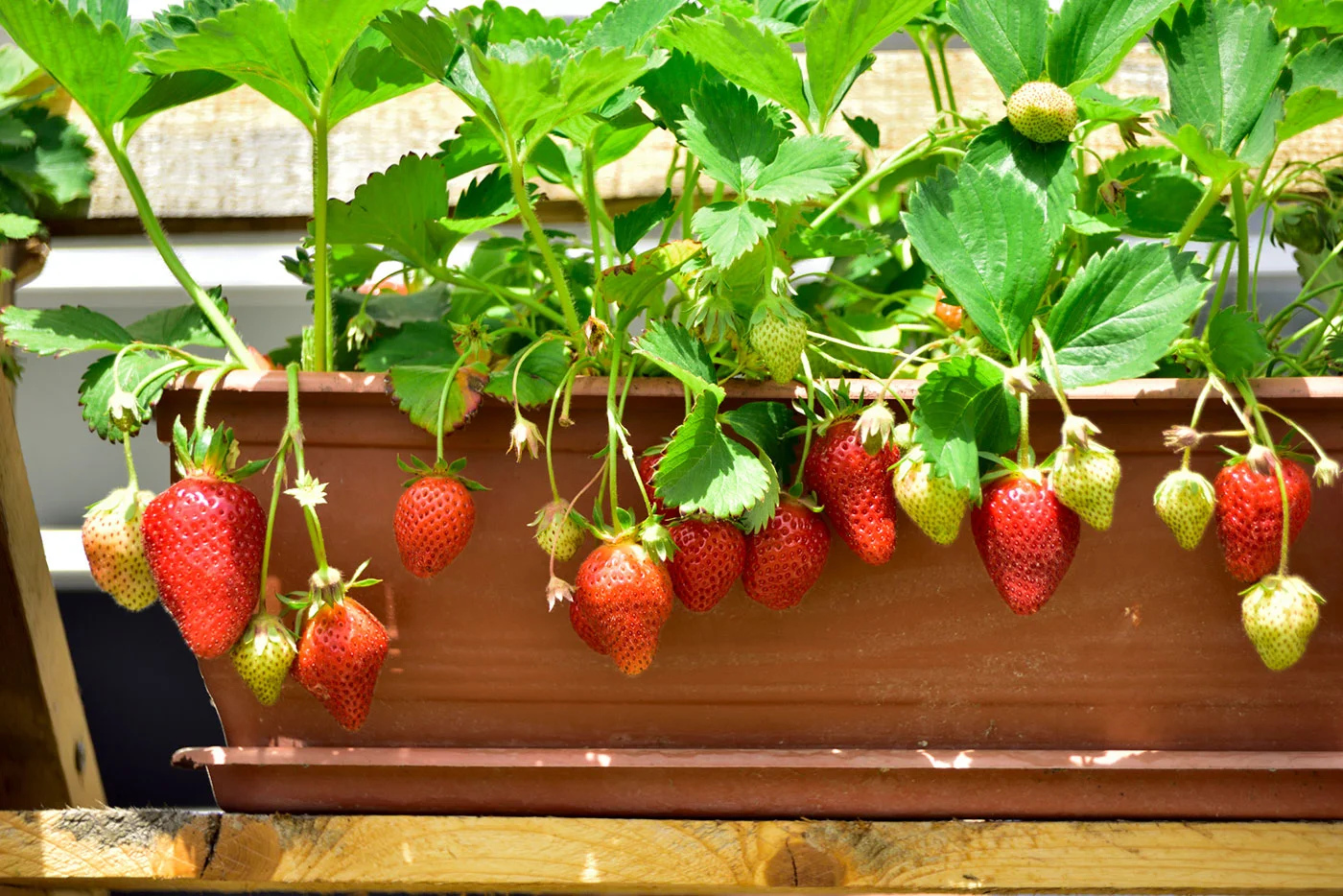
Yes, fruit trees can genuinely thrive in containers — but only specific dwarf-rootstock varieties in the right pot size, with real winter protection in colder climates. If you want a faster, lower-commitment starting point before investing in a tree, container-grown annual fruit like melons, watermelon, or grapes can produce a harvest in one season instead of several years.
Not having a garden bed feels like a hard stop for growing fruit. It isn’t — but there’s a real difference between what marketing copy for “patio fruit trees” implies and what actually works long-term in a pot. This guide separates the two honestly: which fruit trees genuinely succeed in containers, what they need that in-ground trees don’t, and a faster alternative if you want a first-season win before committing years to a tree.
Can You Really Grow Fruit Trees in Containers?
Yes, with a caveat: it only works with dwarf or semi-dwarf rootstock bred specifically to stay small. A standard apple, pear, or citrus tree on regular rootstock will eventually outgrow any container and struggle. Dwarf rootstock keeps the root system proportional to a pot, which is what makes container growing viable at all rather than a slow failure.
Which Fruit Trees Actually Work in Pots
- Dwarf apple trees: Reliable in containers when grown on M9 or M26 rootstock, both bred for restricted growing conditions.
- Fig trees: Naturally tolerate root restriction well and are one of the easiest fruit trees for container growing overall.
- Citrus (lemon, lime, dwarf orange): Well suited to pots year-round in warm climates, and to pots that move indoors for winter in colder ones.
- Dwarf peach and cherry: Possible but more demanding — they need consistent pruning to manage size and are less forgiving of inconsistent watering than apples or figs.
Pot Size and Rootstock: The Part Most Guides Skip
| Fruit tree | Minimum pot size | Rootstock/type to look for | Winter care needed |
|---|---|---|---|
| Dwarf apple | 45–50cm diameter | M9 or M26 rootstock | Move to sheltered spot or wrap roots in cold climates |
| Fig | 40–45cm diameter | Any container-suited variety | Reduce watering, protect roots from hard freeze |
| Citrus | 40cm diameter, sized up as tree matures | Any dwarf citrus variety | Bring indoors or into a greenhouse below roughly 5°C |
| Dwarf peach/cherry | 50cm diameter | Genetic dwarf varieties | Sheltered spot, protect roots from freeze-thaw cycles |
Undersizing the pot is the single most common reason container fruit trees fail to thrive — a restricted root system that’s too small for the tree’s actual growth limits both fruit size and yield, regardless of how well you otherwise care for it.
Soil, Watering, and Feeding
Use a free-draining, loam-based potting mix rather than a lightweight multipurpose compost, which dries out too fast and doesn’t hold nutrients well over a multi-year container life. Water deeply and check soil moisture by hand rather than on a fixed schedule — container fruit trees dry out faster than in-ground trees and are unforgiving of both drought stress and waterlogging. Feed with a balanced fertiliser through the growing season, tapering off in autumn so the tree can harden off before winter.
Repotting: When and How
Repot every two to three years, moving up one container size each time, until the tree reaches its final practical pot size — at that point, refresh the top layer of soil annually instead of repotting further. Spring, just before new growth starts, is the right window. Trim any circling or overly dense roots at repotting time to keep the root system healthy within its restricted space.
How Long Before a Potted Fruit Tree Actually Produces Fruit?
This is where expectations need resetting: most dwarf fruit trees take two to four years to produce a meaningful first harvest, and full production can take longer. That’s a real commitment before you know if the variety and setup will work well for your space and climate.
A Faster Starting Point: Container Fruit That Fruits in One Season
If you want to test whether container fruit growing suits you before committing years to a tree, annual container fruit is the lower-risk starting point. Watermelon, melon, and grapes are all realistic in large containers, and unlike trees, watermelon and melon can produce a full harvest in a single season. PottingJournal’s guides to growing watermelons in containers and growing grapes in containers cover the specific pot sizing and support requirements for these faster options, which make a useful first project before deciding whether to invest in a dwarf tree.
Common Mistakes
- Using a rootstock or variety not bred for containers. Standard rootstock will eventually fail in a pot no matter how well it’s cared for otherwise.
- Undersizing the pot to save space. A too-small container limits both root health and fruit yield permanently, not just temporarily.
- Skipping winter protection. Container roots are far more exposed to cold than in-ground roots, since there’s no surrounding soil mass to buffer temperature swings.
Frequently Asked Questions
Can you really grow fruit trees in pots?
Yes, but only with dwarf or semi-dwarf rootstock specifically bred for restricted root growth. Standard rootstock will eventually outgrow any container.
What size pot does a dwarf fruit tree need?
Most dwarf fruit trees need a minimum of 40–50cm in diameter, sized up as the tree matures, with repotting every two to three years until it reaches its final practical size.
Do container fruit trees need a different rootstock?
Yes — look specifically for dwarf rootstocks like M9 or M26 for apples, or genetic dwarf varieties for stone fruit, rather than standard nursery stock.
How long before a potted fruit tree produces fruit?
Typically two to four years for a meaningful first harvest, with full production taking longer depending on the variety and growing conditions.
What fruit is easiest to grow in a container for beginners?
Figs are among the easiest fruit trees for containers. If you want an even faster result in one season, annual container fruit like watermelon or melon is a lower-commitment starting point.