World Cup Goal Record Pace Turns Group Stage Wild

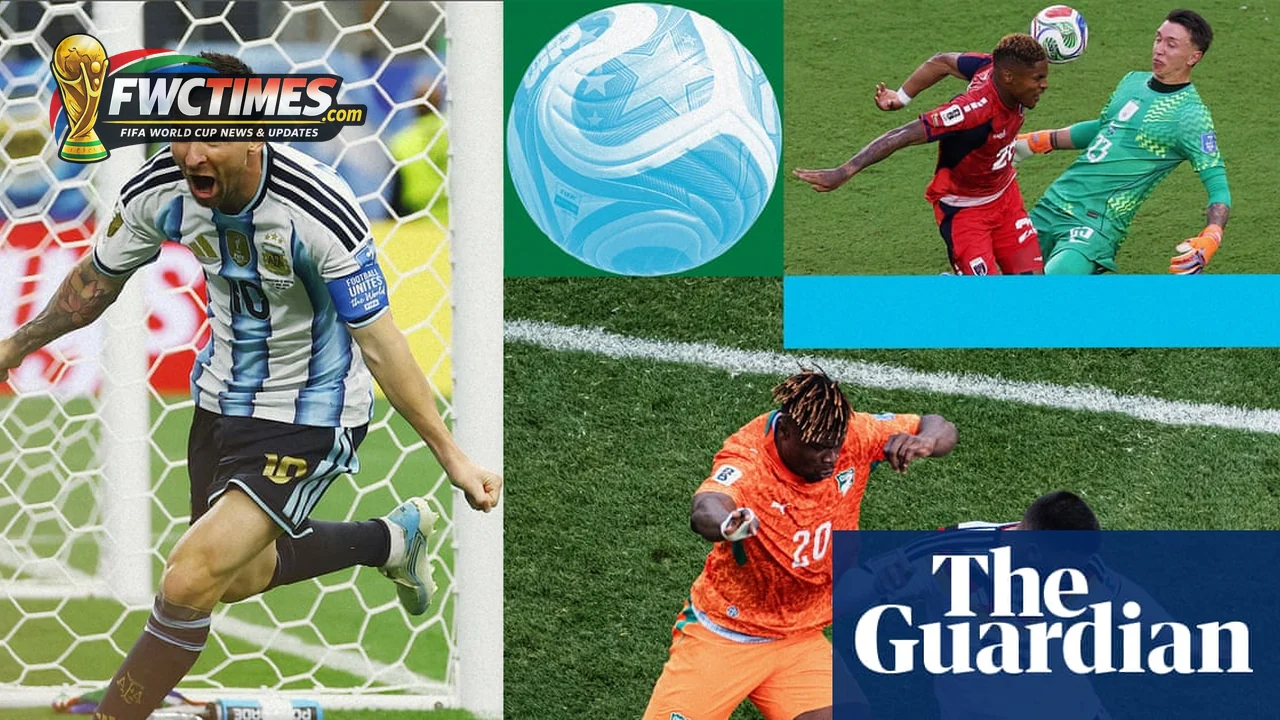
World Cup Goal Record Pace has turned the 2026 group stage into a scoring race before the knockouts begin. The tournament had reached 121 goals through the first 40 matches, with an average of three goals per game at that point. A later analysis put the rate at 2.94 goals per match after all 48 teams had played twice. The scoring surge gives FIFA World Cup 2026 a sharper attacking identity than recent editions.
The 2022 tournament produced a record 172 goals across 64 matches. The 2026 edition has 104 games, so the raw total should rise, but the pace still matters. The rate through the early stage projected far above the 2022 record across a 64-match sample. Lionel Messi and other elite forwards have helped drive the story.
Why The Goals Are Arriving So Quickly
The expanded 48-team field has created wider quality gaps in some group matches. Stronger attacks have found space against teams defending deeper than they would in qualifying. That does not explain every goal, but it helps explain the pace. Top forwards have punished mistakes before underdogs can reset.
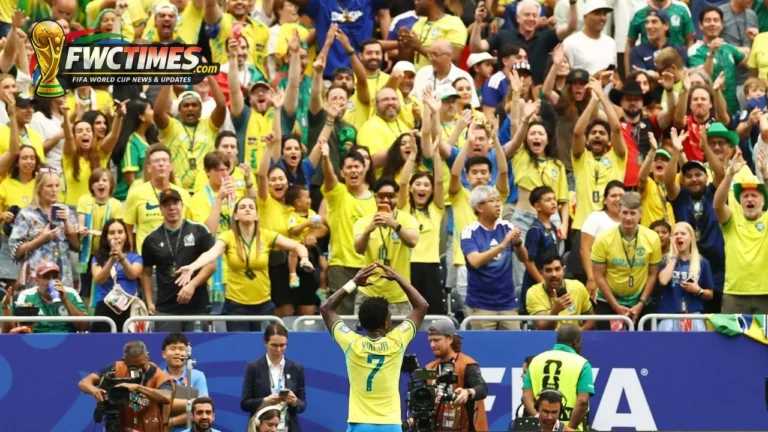
Kylian Mbappe has stayed near the Golden Boot race, while Messi, Erling Haaland and Harry Kane all started fast. Those names attract attention, yet the scoring spread runs deeper. Vinicius Junior, Jonathan David and Deniz Undav have also shaped the numbers. The tournament is getting star goals and surprise goals at the same time.
Long-range finishing has added another layer. Several goals from outside the box have beaten goalkeepers who faced fast shots and difficult movement. Coaches have also discussed the official ball’s speed and stability. The ball alone does not create the scoring rise, but players are striking it with confidence.
The tournament schedule also includes hydration breaks and longer stoppage periods in some venues. More added time creates more late attacks, especially when teams chase results. Supporters following World Cup tickets are seeing matches stretch into decisive extra minutes. That creates more chances and more stress.
Errors, Own Goals And Substitutes Are Changing Matches
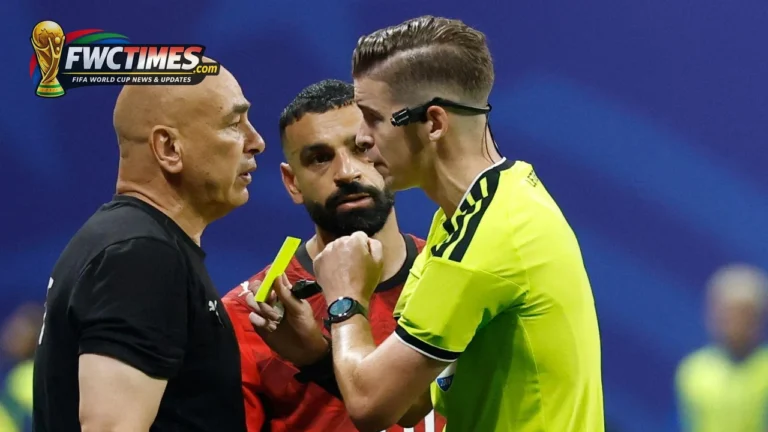
Defensive errors have become a major scoring source. A data review counted 25 errors leading to goals at this tournament by the time all teams had played twice. The previous two World Cups combined had 37. That gap explains why several matches have swung on goalkeeper mistakes and loose decisions.
Own goals have also increased. The 2018 record of 12 own goals is under threat if the current pattern continues. Qatar’s 2022 tournament had only two own goals, so the contrast is clear. Pressure in crowded boxes has made defenders face harder clearances.
Substitutes have become another scoring driver. Deniz Undav has already turned limited minutes into a Golden Boot case for Germany. Bench players across the tournament had contributed 28 goals by one analysis, close to the full 2022 substitute total. Managers now use late attackers as finishers rather than emergency options.
The World Cup Round Of 32 field may reduce the scoring rate because knockout teams often take fewer risks. Even so, the group stage has already set a high baseline. If the elite forwards keep scoring, 2026 can become the tournament that changes modern goal expectations. The numbers are no longer a small-sample surprise.
| Scoring Factor | Current Signal |
|---|---|
| Early Goal Rate | 121 goals in the first 40 matches |
| Goals Per Game | Around three goals per match in the early sample |
| Error Impact | 25 errors leading to goals in early tournament data |
| Substitute Goals | 28 goals from bench players in one tournament analysis |
The figures point to more than one cause. Star forwards are finishing chances, defenders are making more costly errors, and managers are getting goals from the bench. The expanded format adds mismatches, but the quality of finishing has made those gaps look larger. That combination is why the record pace feels real.
Knockout matches will test whether the trend survives tighter football. Teams usually protect space with more discipline once elimination starts. Still, extra time, late pressure and deeper benches can keep the scoring rate alive. The goal record race has become a tournament story of its own.
Frequently Asked Questions
The 2026 World Cup has become a scoring tournament, and the knockouts will decide whether the pace becomes history.
Stay tuned to FWCTimes.com for the latest FIFA World Cup 2026 updates.
Read Also: Assim Madibo Five-Match Ban Hits Qatar After Kone Injury