FIFA Faces Global Backlash Over World Cup 2026 ‘Adaptive Pricing’ Model

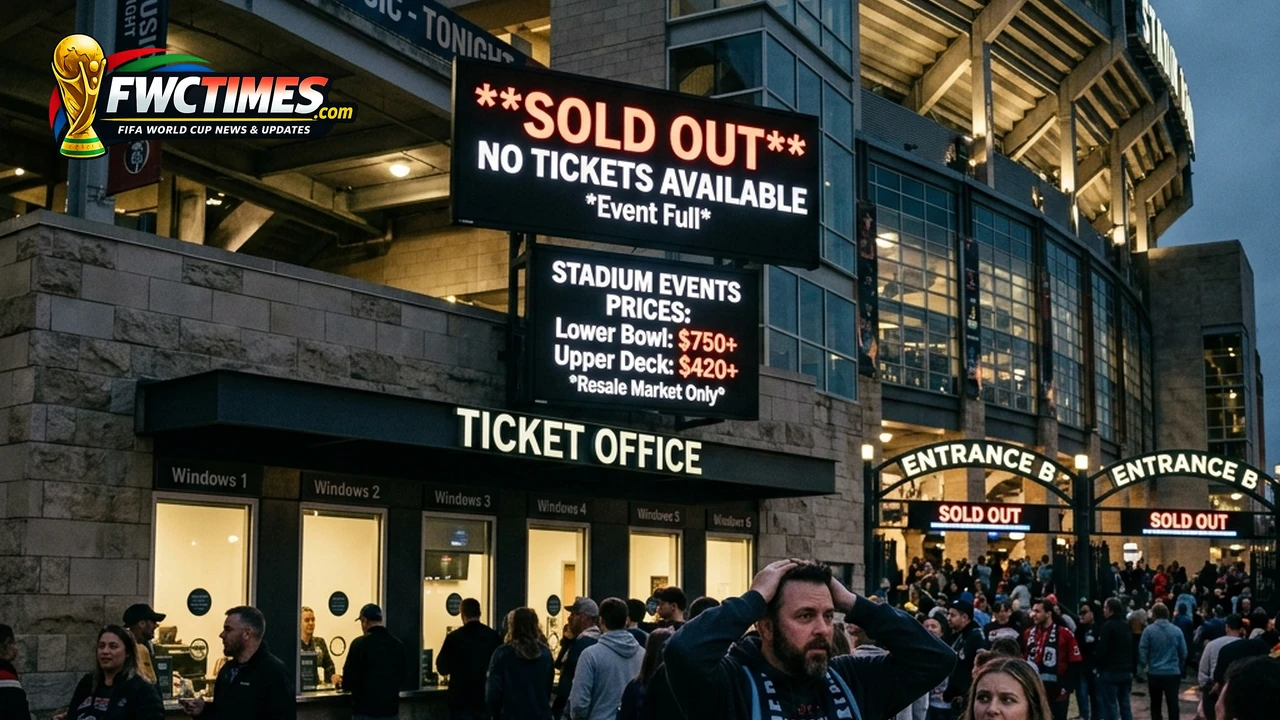
Global soccer governing body FIFA faces severe backlash over its controversial FIFA World Cup 2026 ticket pricing model. FIFA World Cup 2026 ticket pricing has triggered formal complaints from multiple international football associations to Zurich headquarters. The newly introduced dynamic pricing strategy has caused ticket costs to skyrocket during the final tournament sales window. Critics argue that the steep increases make attendance inaccessible for player families and dedicated international supporters alike.
Federation representatives filed official statements objecting to the high financial burdens imposed on player guest networks. Supporters who delayed purchasing tickets based on knockout bracket progression face massive last-minute financial penalties. The lack of clear transparency regarding the algorithm calculations has further intensified the global ticketing controversy. National teams are seeking immediate clarifications to resolve the logistical hurdles before the opening matchday starts.
Understanding the Mechanics of the Dynamic Revenue Model
FIFA adopted the new adaptive ticketing layout to maximize tournament revenue across the expanded forty-eight team format. The software adjustments function similarly to the automated ticketing models used by commercial airlines and concert promoters. Ticket costs fluctuate in real time based on team popularity, stadium capacity, and direct buyer demand. High-profile knockout stage matches have experienced three-fold price surges compared to the initial lottery phase.
Supporters from developing soccer nations find themselves disproportionately impacted by these rapid market fluctuations. Securing a seat for the final rounds now requires a substantial financial commitment that few average fans can afford. Traditional football groups argue that treating tournament tickets like commercial commodities undermines the inclusive philosophy of the sport. The ongoing dispute continues to threaten the public relations success of the upcoming North American tournament.
FIFA World Cup 2026 Ticket Pricing Categories
Understanding the official seating categories and their associated base rates helps clarify the ticketing landscape. The governing body organizes stadium seating into four distinct categories based on view quality and field proximity. A limited supporter entry tier is also distributed directly through the competing member associations. We have compiled the complete category descriptions and their typical price behaviors below.
| Seating Category | Location in Stadium | Target Audience | Typical Pricing Behavior |
|---|---|---|---|
| Category 1 | Lower bowl, midfield | Premium buyers, corporate guests | Highest fluctuation, subject to extreme surges |
| Category 2 | Lower/upper bowl, corners | General public, families | Moderate dynamic pricing increases |
| Category 3 | Upper bowl, side lines | Standard supporters | Limited availability, steady demand |
| Category 4 | Upper bowl, goal lines | Local residents, budget fans | Lowest base cost, reserved allotments |
| Supporter Entry Tier | Behind goals, designated zones | Official fan clubs | Fixed at USD 60 across all matches |
Host City Ticket Price Comparison Matrix
Ticket costs vary significantly depending on the host city and the specific tournament round. Major metropolitan areas like New York and Los Angeles exhibit the highest average prices due to dense local demand. Smaller stadium hubs offer relatively more stable pricing trends for early group stage fixtures. Review our curated pricing comparison matrix to plan your tournament travel budget efficiently.
| Host City | Stadium Venue | Group Stage Range (USD) | Knockout Stage Range (USD) |
|---|---|---|---|
| Los Angeles | SoFi Stadium | 150 – 450 | 350 – 1,200 |
| New York/New Jersey | MetLife Stadium | 160 – 480 | 400 – 1,500 |
| Dallas/Arlington | AT&T Stadium | 130 – 380 | 300 – 950 |
| Toronto | BMO Field | 140 – 410 | 320 – 1,000 |
| Mexico City | Estadio Azteca | 90 – 320 | 250 – 800 |
| Seattle | Lumen Field | 110 – 350 | 280 – 900 |
Evaluating the Global Fan Backlash and Reinvestment Claims
FIFA administrators defend the tournament revenue model by citing the immense logistical costs of the tournament. Organizing a modern international event across three vast nations requires unprecedented funding for security, transport, and stadium preparation. The governing body maintains that premium ticket sales help finance global grassroots development programs. Still these arguments do little to pacify fans facing exorbitant resale prices on the official transfer platform.
National team player syndicates have expressed solid solidarity with their supporters regarding these high ticket costs. Several high-profile athletes have voiced concerns that their own parents cannot afford to watch them play. The tension between corporate profit margins and fan accessibility continues to grow as the opening ceremony approaches. Sports business analysts predict that this controversy will dominate the pre-tournament media period.
Resale Platform Regulations and Official Safeguards
Ticket holders can utilize the official FIFA transfer portal to exchange seats safely at face value. The governing body established this platform to protect fans from predatory ticket scalpers and online fraud. Third-party resale sites often list premium seats at inflated prices exceeding thirty thousand dollars. Utilizing unauthorized platforms remains highly risky as stadium security will enforce strict identification checks at all gates.
National associations are lobbying for additional dedicated family ticket allocations to resolve the immediate player guest issues. Competing countries hope to secure fixed-price ticket blocks that bypass the automated dynamic pricing algorithms. Successful negotiations would ensure that player support networks receive fair access to stadium seats during the matches. The ticketing division must act quickly to implement these regulatory changes before June.
Frequently Asked Questions
Ticketing rules and dynamic pricing behaviors have created numerous questions among visiting tournament supporters worldwide. The ticket office continues to update the official portal as new allocations become available for purchase. We have compiled detailed answers to the most common questions regarding ticket pricing and resale below.
Why are World Cup 2026 ticket prices so high?
Ticket prices are exceptionally high due to the implementation of a new dynamic pricing model. This system increases seat costs automatically when buyer demand surges for popular fixtures. High stadium operations costs across three host countries also contribute to the elevated pricing tiers.
What is the supporter entry tier ticket?
The supporter entry tier is a special fixed-price category costing sixty dollars per ticket. These highly limited seats are distributed directly through qualified national football associations to their official fan clubs. Supporters must register with their national team to access this budget allocation.
How does the official resale platform operate?
The official resale portal allows ticket holders to transfer their unwanted seats safely to other fans. Tickets are exchanged exclusively at face value plus a very small administrative processing fee. This official platform prevents ticket scalpers from exploiting supporters on the secondary market.
Can players secure free tickets for their family members?
No players do not receive complimentary ticket blocks for their relatives under current tournament regulations. National associations must purchase standard ticket allocations directly from the organizing committee to accommodate player guests. This policy has triggered formal complaints from several participating football federations.
Is it safe to purchase tickets from third-party websites?
No buying seats from unauthorized third-party platforms remains highly dangerous for international fans. FIFA will verify ticket barcodes against official holder databases at all stadium gates. Supporters using scalper websites risk losing their money and being denied entry to the match.
Conclusion
Balancing commercial profitability with genuine fan accessibility remains a highly complex task for international soccer administrators. The introduction of dynamic ticket pricing has clearly alienated many traditional supporters before the tournament kickoff. Soccer leaders must find a way to preserve the democratic spirit of the global game.
The resolution of the current ticketing dispute will shape fan experiences across North America this June. Creating affordable seating options ensures a vibrant and diverse stadium atmosphere during the games. Football fans deserve fair access to witness the pinnacle of international sports competition. Keep visiting FWCTimes.com for the latest tournament ticketing updates and official news.
Read Also: Kaoru Mitoma Japan Injury Update