Omar Artan Misses World Cup 2026 After U.S. Block

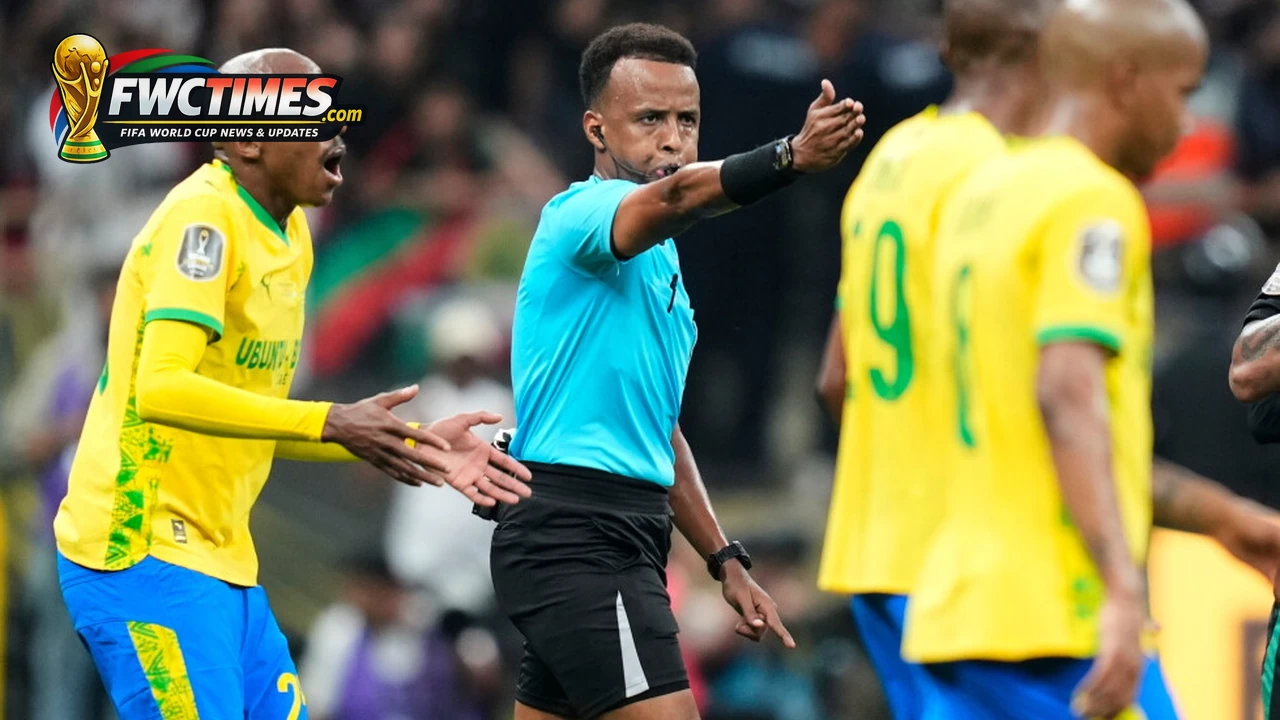
Omar Artan was set to become the first Somali referee to work a men’s World Cup. That plan collapsed after U.S. border officials denied him entry following his arrival in Miami from Istanbul on Saturday. FIFA later confirmed that Artan will not train or officiate at the tournament. Days before World Cup 2026 starts, one immigration ruling has already changed the officiating list.
The Omar Artan World Cup 2026 story matters beyond one appointment. FIFA selected officials from across confederations to match the scale of a 48-team event. Artan’s exit removes a personal milestone and a symbolic step for Somali football. It also shows how border control can disrupt tournament staffing as sharply as any late injury.
Why Omar Artan World Cup 2026 Exit Matters
Artan was not a ceremonial name on the referee roster. He had reached the level required for FIFA’s final tournament pool and was due to join the last preparation phase. That made his place meaningful on merit first, and historic second. Somalia had never before seen one of its referees reach this stage of the men’s World Cup.
FIFA has pushed officiating development hard in recent years because the tournament now carries 104 matches and constant scrutiny. Selection camps are built around fitness, repeated scenario work and common interpretation. When one official is removed this late, the loss is not just symbolic. A training group loses continuity and the replacement chain tightens.
The decision also lands in a wider climate of entry pressure around the tournament. FWCTimes has already tracked the Iran visa refusals and staff dispute, which showed how travel clearance can become a football issue fast. Players carry the headlines, yet referees, analysts and support staff need the same access windows. When one part of that chain breaks, the event feels it immediately.
How The U.S. Entry Decision Unfolded
U.S. Customs and Border Protection said Artan went through additional inspection before officers ruled him inadmissible because of vetting concerns. The agency described that process as routine when officers need to verify information or admissibility. CBP did not publicly frame the call as a football exception. It treated Artan like any other traveler subject to case-by-case review.
FIFA then confirmed that it had been informed by authorities that Artan’s status would not change at present. That wording matters because it underlines where the final power sits. FIFA can nominate referees, but host governments still decide who crosses the border. That line will stay relevant throughout the tournament period.
| Match Detail | Confirmed Update |
|---|---|
| Official | Omar Artan |
| Role | FIFA World Cup referee from Somalia |
| Trigger point | Denied U.S. entry after additional inspection in Miami |
| Tournament impact | Cannot train or officiate at World Cup 2026 |
What FIFA And The Tournament Lose From This
The first loss is representation. A global tournament likes to present itself as football’s widest stage, and officiating appointments are part of that picture. Artan’s removal turns what should have been a first for Somali refereeing into a warning about how fragile those breakthroughs can be. That is a hard story for FIFA to carry into opening week.
The second loss is trust in tournament smoothness. FIFA has sold World Cup 2026 as a more advanced event, with new oversight tools and the kind of transparency seen in the World Cup 2026 referee body cameras rollout. Technology can sharpen decisions on the pitch, yet none of that helps if selected officials cannot reach the competition. The administrative layer still decides whether FIFA’s plans even get onto the field.
There is also a practical lesson here for federations and tournament planners. A 48-team World Cup expands exposure to immigration friction because more people travel into more venues with tighter deadlines. Fans usually think about tickets, flights and kick-off times first. This case shows the staffing side has no margin either.
My read is simple. The tournament can replace one official, but it cannot erase what the loss says. If FIFA wants the event to feel genuinely global, it needs the human pathway behind the badge to hold together as strongly as the broadcast plan. Right now, that part of the system looks less stable than it should.
Frequently Asked Questions
World Cup organisers can absorb a late switch on paper. The harder part is absorbing the message that comes with it. A tournament built on global reach has started with one of its chosen officials outside the gate.
Stay tuned to FWCTimes.com for the latest FIFA World Cup 2026 updates.
Read Also: Andrew Giuliani World Cup Task Force Faces Fresh Scrutiny