Wayne Rooney Slams England Decision on Trent Alexander-Arnold

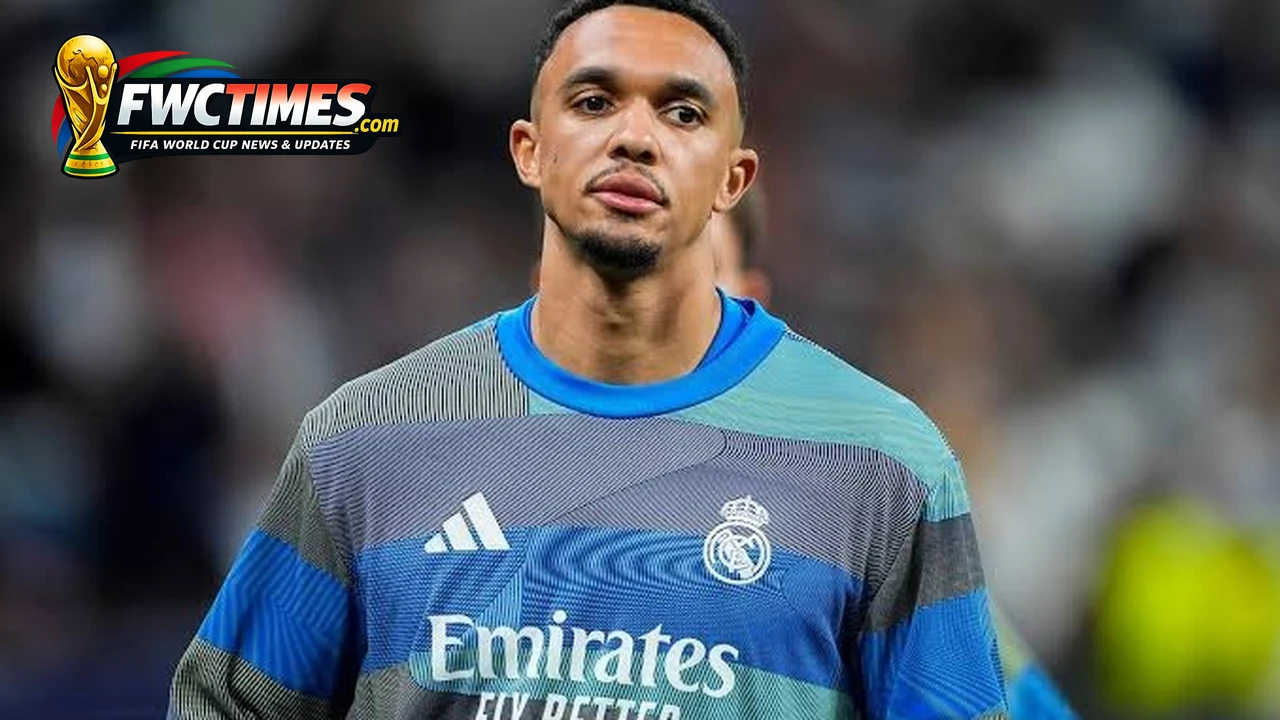
Thomas Tuchel has omitted the most creative full-back in world football from the England squad, triggering intense national debate. Wayne Rooney publicly dismantled this tactical decision, labeling the exclusion of Trent Alexander-Arnold as a severe miscalculation ahead of the FIFA World Cup 2026. The tension between conservative defensive structures and generational attacking talent now defines the English camp.
The Tactical Clash Threatening England’s World Cup Campaign
Modern international football demands absolute ruthlessness, but isolating a playmaker of Alexander-Arnold’s caliber presents massive risks. Tuchel prioritizes rigid defensive solidity over high-risk, high-reward distribution. This philosophy effectively neutralizes the right flank as a primary attacking vector. Rooney argues that sidelining a player capable of dismantling low blocks with a single pass reveals a fundamental lack of attacking ambition.
England struggles historically against deeply entrenched defenses in knockout football. Without elite vision from deep positions, the midfield often stagnates. Alexander-Arnold forces opponents to stretch their defensive lines. Eliminating him allows rival nations to compress the pitch and comfortably absorb English pressure during crucial World Cup qualifiers.

Rooney’s Verdict: A Waste of Generational Talent
Wayne Rooney delivered a scathing assessment of the squad selection. He stated explicitly that benching or omitting a specialized creator penalizes the entire forward line. Elite strikers require precise delivery, and no English defender matches Alexander-Arnold’s crossing metrics or progressive passing range. The former captain warned that tactical stubbornness will ultimately cost England against elite South American or European opposition.
The controversy forces fans and pundits to question the team’s overarching identity. Will England dictate matches, or will they rely on reactive, transition-based football? Rooney insists that winning the 2026 tournament requires bravery, and leaving your best distributor at home is the antithesis of a championship mentality.
The Undeniable Metrics Behind the Controversy
Statistics heavily support Rooney’s frustration. Over the past three seasons, Alexander-Arnold consistently ranks in the 99th percentile among European full-backs for expected assists (xA), shot-creating actions, and progressive passes. He functions as a deep-lying playmaker stationed wide right. Replacing him with a traditional, defensive-minded full-back strips the team of its most reliable ball-progression mechanism.
Tuchel defends his decision by highlighting defensive transition vulnerabilities. Elite wingers target the space behind attacking full-backs. Even so, Rooney counters that international matches are rarely lost on defensive transitions alone; they are lost when dominant teams fail to convert possession into high-quality scoring opportunities.
What This Means for the 2026 World Cup Roster
This early squad omission serves as a definitive warning. Tuchel intends to build a functionally pragmatic team. Players must fit his specific tactical mold, regardless of their individual brilliance or club form. For Alexander-Arnold, the path to the final 2026 World Cup roster requires a drastic adaptation to a more disciplined, restricted defensive role.
The upcoming international fixtures will test this controversial blueprint. If the attack falters or appears predictable, Rooney’s criticisms will amplify. The pressure on Tuchel to integrate generational talent without compromising his defensive ideals will dominate headlines throughout the qualification cycle.
Frequently Asked Questions
Stay tuned to FWCTimes.com for the latest FIFA World Cup 2026 updates.
Read Also: Iran Issues 10-Point Ultimatum for 2026 World Cup Participation