Most Yellow Cards in World Cup History: Disciplinary Records

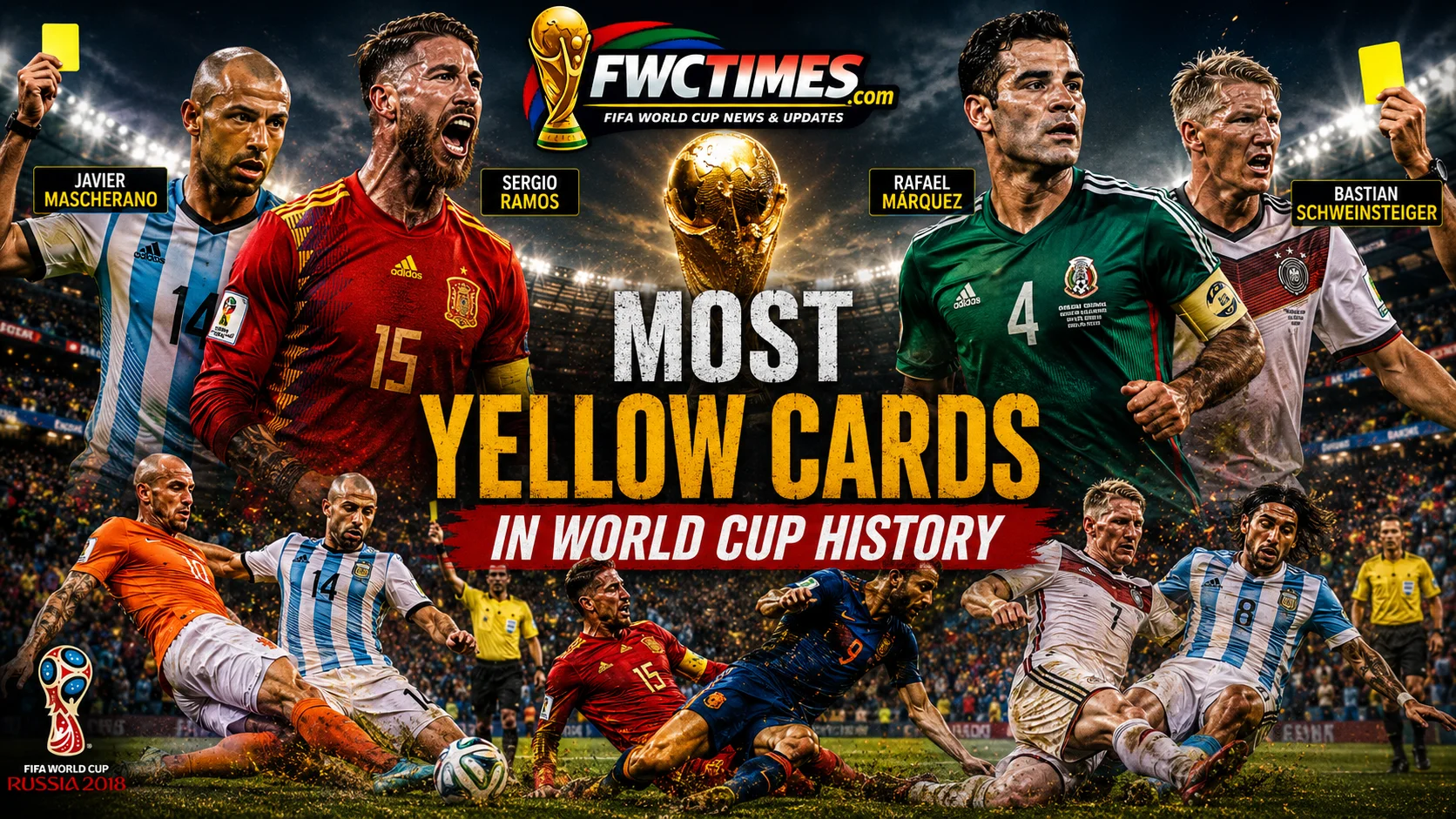
The FIFA World Cup is remembered for legendary goals, dramatic finals, and unforgettable players. However, the tournament has also produced its fair share of heated rivalries, controversial fouls, and aggressive performances. Yellow cards are a major part of football discipline, and throughout World Cup history, several players have built reputations for their physical and combative style of play.
Disciplinary records in the World Cup often reflect the intensity of international football. Every tackle, argument with referees, and tactical foul can change the momentum of a match. Some footballers became famous not only for their talent but also for collecting yellow cards at an alarming rate on football’s biggest stage.
In this article, we explore the players with the most yellow cards in FIFA World Cup history, the reasons behind these records, and the impact of aggressive play in global tournaments.
Why Yellow Cards Matter in the World Cup
Yellow cards are issued as warnings for unsporting behavior, dangerous tackles, dissent, delaying the game, and repeated fouls. In the World Cup, discipline becomes even more critical because suspension rules can affect key knockout matches.
Players who accumulate multiple yellow cards risk missing important games. Teams often suffer when star defenders or midfielders are suspended during crucial moments. Extreme pressure and national pride in World Cup matches regularly make emotions boil over.
The tournament’s disciplinary statistics have become an interesting part of football history. Fans remember famous confrontations, controversial refereeing decisions, and players who constantly pushed the limits of aggression.
Player with the Most Yellow Cards in World Cup History
At the top of the list is Argentina’s Javier Mascherano, one of the fiercest defensive midfielders ever to play in the World Cup.
Javier Mascherano – 7 Yellow Cards
- Country: Argentina
- World Cups Played: 2006, 2010, 2014, 2018
- Yellow Cards: 7
Mascherano earned a reputation for his relentless tackling, tactical awareness, and leadership. He played as a defensive shield in front of Argentina’s backline and frequently stopped dangerous counterattacks through physical challenges.
Despite his aggressive style, Mascherano was admired for his intelligence and commitment. His famous tackle against Arjen Robben in the 2014 World Cup semifinal remains one of the defining defensive moments in tournament history.
Many football analysts consider him one of the best defensive midfielders of his generation. However, his disciplinary record also reflects how intensely he approached every match.
Other Players with the Most World Cup Yellow Cards
Several legendary players sit close behind Mascherano in the disciplinary rankings.
| Player | Country | Yellow Cards |
|---|---|---|
| Javier Mascherano | Argentina | 7 |
| Rafael Márquez | Mexico | 6 |
| Cafu | Brazil | 6 |
| Bastian Schweinsteiger | Germany | 6 |
| Sergio Ramos | Spain | 5 |
| Diego Maradona | Argentina | 5 |
These footballers played in multiple tournaments, giving them more opportunities to accumulate bookings. Most were defenders or defensive midfielders, positions that naturally involve more physical duels and tactical fouls.
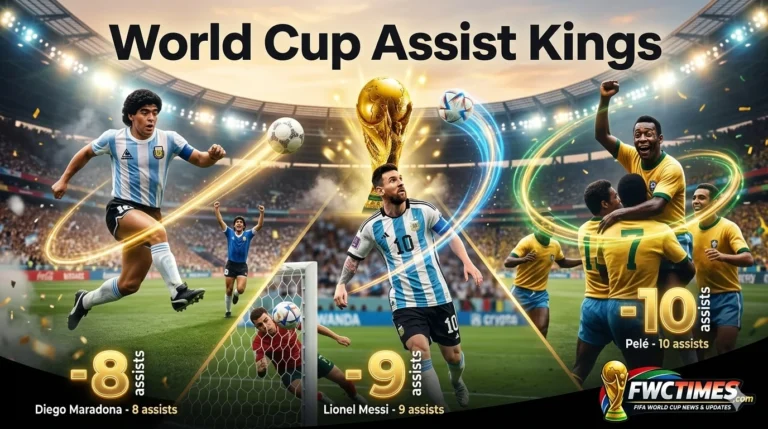
See Also: Most Assists in FIFA World Cup History
Rafael Márquez: Mexico’s Aggressive Leader
Rafael Márquez represented Mexico in five different World Cups, making him one of the tournament’s most experienced players. As a central defender and defensive midfielder, he regularly faced the world’s best attackers.
Márquez was known for his composure on the ball, but he also had an aggressive edge. His yellow cards often came from late tackles, aerial battles, and professional fouls designed to stop dangerous attacks.
His longevity at the international level contributed significantly to his disciplinary record. Few players in football history have played in as many World Cup tournaments as Márquez.
Cafu and Brazil’s Competitive Spirit
Brazilian legend Cafu is widely regarded as one of the greatest right-backs in football history. He played in four World Cups and won the tournament twice with Brazil.
Although Cafu was known for his attacking runs and stamina, he also collected several yellow cards during his career. Full-backs often face difficult one-on-one situations against quick wingers, leading to tactical fouls and defensive challenges.
Cafu’s aggressive competitiveness perfectly represented Brazil’s balance between flair and determination during the late 1990s and early 2000s.
Bastian Schweinsteiger’s Physical Midfield Battles
Germany’s Bastian Schweinsteiger became famous for his work rate, toughness, and leadership. During the 2014 FIFA World Cup, he delivered several heroic performances while battling through injuries and heavy tackles.
Schweinsteiger often operated in physically demanding midfield roles. He faced elite opponents in high-pressure knockout matches, which contributed to his yellow card tally.
His aggressive style was particularly visible during Germany’s 2014 World Cup final victory against Argentina. That match became one of the most physical finals in modern football history.
Diego Maradona and World Cup Controversy
Diego Maradona remains one of football’s most iconic figures. While fans mostly remember his magical dribbling and creativity, he also had a fiery personality that frequently brought controversy.
Maradona received several yellow cards during his World Cup career due to dissent, reckless fouls, and emotional confrontations. His competitive nature often pushed him into heated situations with referees and opponents.
The 1986 World Cup showcased both sides of Maradona’s personality — incredible genius and intense aggression. That balance made him one of the most unforgettable players in football history.
Sergio Ramos and Modern Defensive Football
Sergio Ramos has built a career around aggressive defending, leadership, and a winning mentality. Although his red card record in club football is famous, he also collected several yellow cards in World Cup matches.
Ramos represents the modern style of central defending, where physical strength and tactical fouls are essential against fast attackers. His confrontational approach made him both respected and feared by opponents.
Spain’s dominance between 2008 and 2012 depended heavily on defenders like Ramos who combined technical skill with tactical aggression.
Which World Cup Had the Most Yellow Cards?
The 2006 FIFA World Cup in Germany is remembered as one of the most heavily carded tournaments ever.
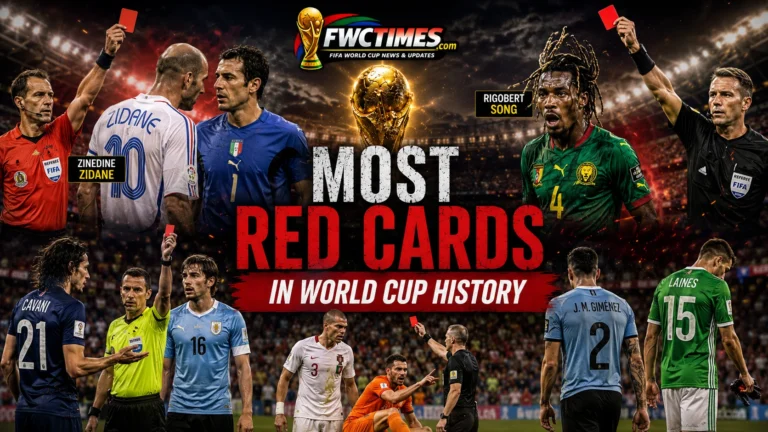
The infamous Round of 16 match between Portugal and the Netherlands became known as the “Battle of Nuremberg.” Russian referee Valentin Ivanov issued:
- 16 yellow cards
- 4 red cards
This remains one of the most chaotic and ill-disciplined matches in World Cup history. Constant fouls, arguments, and rough tackles turned the game into a disciplinary nightmare.
Modern FIFA tournaments have attempted to reduce excessive aggression through stricter refereeing standards and the introduction of VAR technology.
How FIFA Suspension Rules Work
FIFA uses yellow card accumulation rules to maintain discipline throughout the tournament.
Key suspension rules include:
- Two yellow cards in separate matches result in a one-match suspension.
- Yellow cards are usually cleared after the quarterfinal stage.
- Direct red cards lead to automatic suspensions and possible extended bans.
These rules force players to balance aggression with caution. Defenders and midfielders often struggle with this balance because their roles require constant physical challenges.
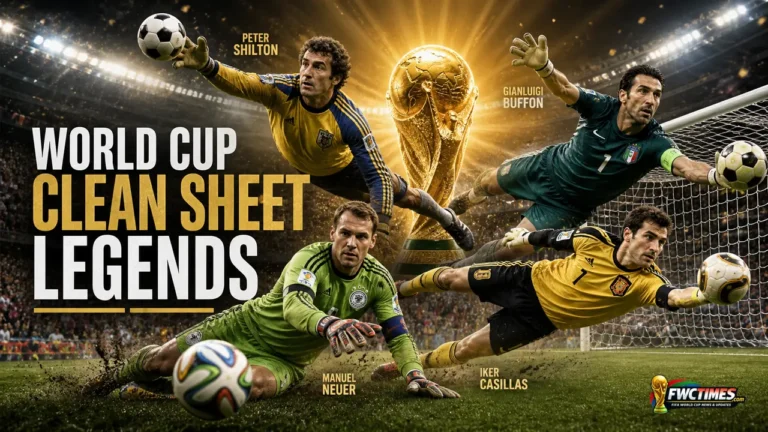
Must Read: FIFA World Cup Clean Sheet Records
Tactical Fouls and Defensive Football
Not every yellow card comes from reckless behavior. Many bookings are tactical decisions made to protect the team.
Common tactical fouls include:
- Stopping counterattacks
- Delaying dangerous runs
- Breaking attacking momentum
- Preventing one-on-one opportunities
Defensive midfielders are particularly known for committing professional fouls. Coaches sometimes even encourage these tactical challenges to maintain defensive organization.
This explains why players like Mascherano and Schweinsteiger accumulated so many yellow cards despite being highly respected professionals.
VAR and the Future of Discipline
The introduction of Video Assistant Referee (VAR) technology has changed how referees manage discipline in modern football.
VAR allows officials to review:
- Dangerous tackles
- Violent conduct
- Off-the-ball incidents
- Potential red card situations
As a result, players are more cautious about reckless challenges. Modern World Cups may eventually produce fewer yellow cards because footballers know controversial incidents can be reviewed instantly.
However, the pressure and intensity of World Cup football will always create emotional moments and aggressive competition.
The Psychology Behind Aggressive Play
World Cup matches involve enormous pressure. Players carry the expectations of millions of fans and entire nations.
This emotional intensity often leads to:
- Frustration
- Tactical desperation
- Physical confrontations
- Heated arguments with referees
Some players channel these emotions into controlled aggression, while others lose discipline. The greatest competitors usually balance passion with intelligence.
Football history shows that many legendary players walked a fine line between brilliance and aggression.
FAQs – Most Yellow Cards in World Cup History
Javier Mascherano of Argentina holds the record for the most yellow cards in FIFA World Cup history with 7 bookings across four tournaments.
Javier Mascherano is considered the player with the strongest disciplinary record in terms of yellow cards, while players like Sergio Ramos are famous for aggressive defending and red cards overall.
Players receive yellow cards for:
Dangerous tackles
Unsporting behavior
Time wasting
Dissent toward referees
Repeated fouls
Tactical fouls stop attacks
The Portugal vs Netherlands match in the 2006 FIFA World Cup, known as the “Battle of Nuremberg,” had the most yellow cards with 16 yellow cards and 4 red cards.
Conclusion
Yellow cards are an unavoidable part of World Cup football. They represent the passion, tension, and competitiveness that make the tournament so exciting. From Javier Mascherano’s relentless tackling to Sergio Ramos’ aggressive defending, disciplinary records tell an important story about football’s biggest stage.
While goals and trophies dominate headlines, aggressive battles in midfield and defense often decide championships. Tactical fouls, emotional confrontations, and physical duels remain central elements of World Cup history.
As football evolves with VAR and stricter officiating, disciplinary records may change in the future. Yet the intensity of the FIFA World Cup ensures that yellow cards will always remain part of the drama.