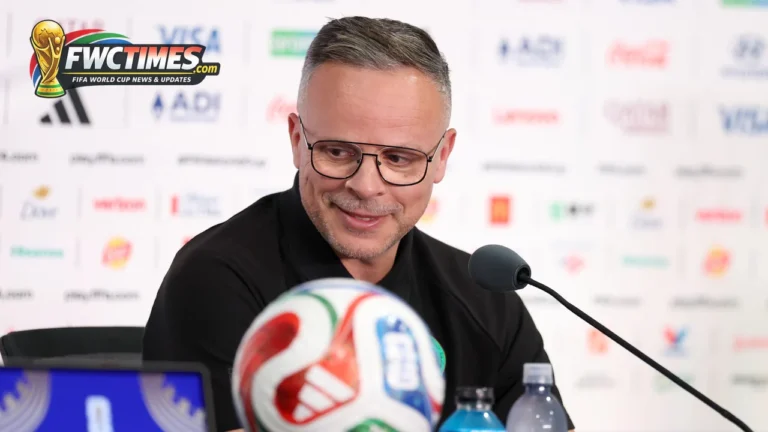
Scotland Beat Bolivia 4-0 As Adams Stakes Claim

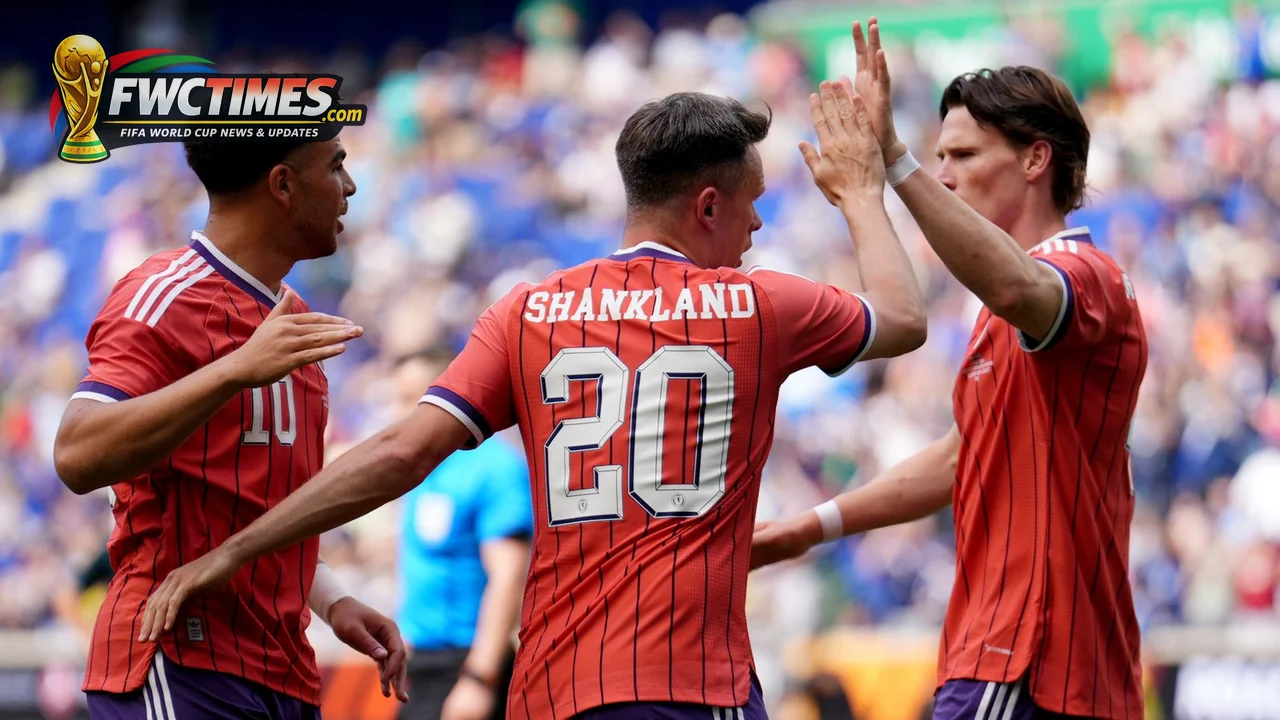
Scotland Bolivia World Cup Warm-Up ended 4-0 in New Jersey as Che Adams scored twice. Lawrence Shankland opened the scoring early, Scott McTominay added another, and Scotland controlled the first half. The win gave Steve Clarke a sharper final rehearsal before Haiti. It also turned selection pressure into a useful problem.
The performance mattered because Scotland had to show speed from the start. Clarke’s side had struggled with slow openings in recent preparation, so the early goal changed the tone. The FIFA World Cup 2026 rewards teams that settle quickly in difficult climates. Scotland looked more direct, more balanced and more comfortable with two forwards.
Adams And Shankland Make The Striker Debate Real
Adams’ two goals gave Clarke a strong attacking signal. He attacked spaces well, finished with confidence and linked play with enough control. Scotland need that combination because group-stage chances can arrive in short bursts. Adams made those bursts count before half-time.
Shankland also strengthened his case. His early goal gave Scotland immediate control and settled the team. A striker who scores early changes the mood of a final warm-up. Clarke now has a genuine decision rather than a default choice.
McTominay’s goal gave the midfield another tournament reminder. Scotland rely on his timing into the box because he turns possession into direct threat. Against Bolivia, that run arrived before the opponent could reset. The same habit will matter against more physical World Cup teams.
The two-forward setup also helped Scotland play forward earlier. It gave defenders more targets and stopped midfielders from forcing low-value passes. Clarke does not need to use it in every match. He now knows it can create quick pressure when Scotland need a faster start.
Group C Opens With Better Scottish Momentum
Scotland’s first tournament match comes against Haiti before a major test against Brazil. The Group C – FIFA World Cup 2026 route gives Clarke little time to hide any weakness. A clean final warm-up helps, but it does not remove the tactical demands. Scotland still need compact defending and smart restarts.
The New Jersey heat also gave the squad a physical rehearsal. Tournament matches across North America will test energy management and concentration. Scotland handled the conditions well once they built an early lead. Late fatigue can damage set-piece marking in tournament conditions.
The Brazil meeting will attract attention because Brazil share the group. Scotland cannot treat that match as the only key fixture, though. Points against Haiti carry equal table value and may shape the round of 32 path. Clarke’s strongest message should be about the first match.
Bolivia offered a useful but limited test. Scotland dominated early, so the second half became more about control than chasing goals. That still gave the staff information about game management. A World Cup lead is only valuable if the team protects it calmly.
| Match Detail | Confirmed Update |
|---|---|
| Result | Scotland 4-0 Bolivia |
| Scotland Scorers | Lawrence Shankland, Scott McTominay, Che Adams twice |
| Venue | Sports Illustrated Stadium, Harrison, New Jersey |
| World Cup Angle | Final Scotland warm-up before opening against Haiti |
Scotland’s best sign was the timing of the goals. They scored early, built pressure and avoided a nervous finish. That pattern reduces the emotional load before tournament football. Clarke will value the clean performance as much as the scoreline.
The squad now carries competition in useful areas. Adams and Shankland both made strong cases, while McTominay reminded everyone of his scoring threat. Scotland still need a careful plan for stronger opponents. The Bolivia win gives them a better platform to build from.
Frequently Asked Questions
Scotland turned their final warm-up into a useful selection test, and Adams made sure Clarke cannot ignore him.
Stay tuned to FWCTimes.com for the latest FIFA World Cup 2026 updates.
Read Also: USMNT Fall To Germany Despite Robinson Stunner