Bay Area Soccer Growth Gets World Cup Boost Before Santa Clara Matches


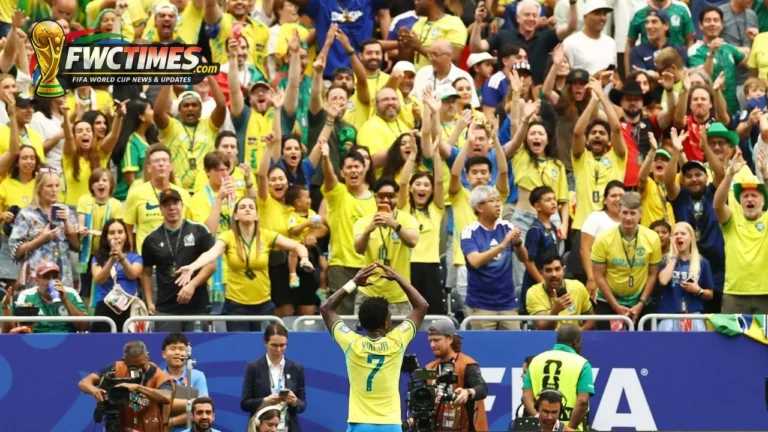
Bay Area Soccer Growth is accelerating before Santa Clara hosts World Cup matches. Local clubs, youth programs and community fields are already seeing the tournament change the conversation. The Bay Area has long had soccer communities, but the global event gives them a larger stage. The effect reaches beyond FIFA World Cup 2026 matchdays.
Santa Clara’s World Cup role gives Northern California a direct link to the tournament. Fans will travel for matches, but local families may feel the impact through youth sign-ups and community programs. The strongest legacy may come from children who start playing after seeing the event nearby. That makes the host-city story bigger than stadium revenue.
Why Grassroots Soccer Is The Real Legacy Test
A major event can bring a short burst of attention. Grassroots growth tests whether that attention lasts. If youth clubs gain players, coaches and better facilities, the World Cup creates a practical local benefit. If interest fades after July, the impact stays shallow.
The Bay Area already has a diverse soccer base. Immigrant communities, school programs and semi-professional clubs keep the sport visible. The World Cup can connect those communities to a shared moment. That connection can help local programs recruit new families.
Santa Clara matches also give young players a nearby example of elite football. Watching national teams in the region can make the sport feel closer. A child does not need to imagine the World Cup as a distant event. It will happen near home.
The stadium schedule will still draw the headlines. Fans using World Cup tickets will focus on match access, transport and security. Local soccer leaders will watch another metric. They will ask whether more children keep playing after the tournament leaves.
What Local Programs Need After The Tournament
More interest can create pressure if clubs lack space. Youth programs need fields, coaches and affordable registration options. A boom without capacity can turn families away. That would waste the tournament’s best local opening.
The Bay Area also needs accessible pathways for different communities. Some families need low-cost leagues, while others need competitive development. A strong soccer region can support both. The World Cup can help if local leaders use the attention to expand access.
Host-city planning should connect sport with transport and community events. Fans looking at the World Cup 2026 travel guide may focus on hotels and routes. Local families need information on clinics, watch events and youth opportunities. Those details turn global attention into participation.
The same pattern can apply in other host cities. Seattle, Los Angeles and Kansas City all have strong soccer communities. Santa Clara can show how a host region turns match hosting into a participation push. The tournament should leave more than a memory.
| Bay Area Impact Area | Potential World Cup Effect |
|---|---|
| Youth Participation | More children and families try soccer after local matches |
| Community Clubs | Higher visibility for local teams and programs |
| Facilities | More pressure to improve field access and scheduling |
| Host Legacy | Santa Clara gains a longer soccer identity beyond matchdays |
The strongest legacy will be measured after the final whistle. If local clubs retain new players, the World Cup will have changed more than one summer. If field access remains tight, interest may turn into frustration. Planning has to move fast.
The Bay Area has enough soccer culture to build from. The tournament gives that culture a spotlight. Local programs now need to convert attention into regular participation. That is where the real growth sits.
Local clubs also face a timing challenge. Families often look for programs when a major tournament dominates television and social media. Clubs that prepare registration, coaching schedules and field access early can capture that interest. A delayed response can lose new players to other activities.
The Bay Area also has a strong immigrant football base. World Cup matches can connect those communities with younger players who follow different leagues and national teams. That mix gives local organizers a deeper audience than one matchday crowd. The region’s growth depends on regular participation.
Frequently Asked Questions
The Bay Area’s World Cup gain will depend on whether local programs can hold the new interest.
Stay tuned to FWCTimes.com for the latest FIFA World Cup 2026 updates.
Read Also: Morocco First USA Training Session Opens World Cup Camp