LA28 World Cup Test Gives Los Angeles Olympic Planners Live Data

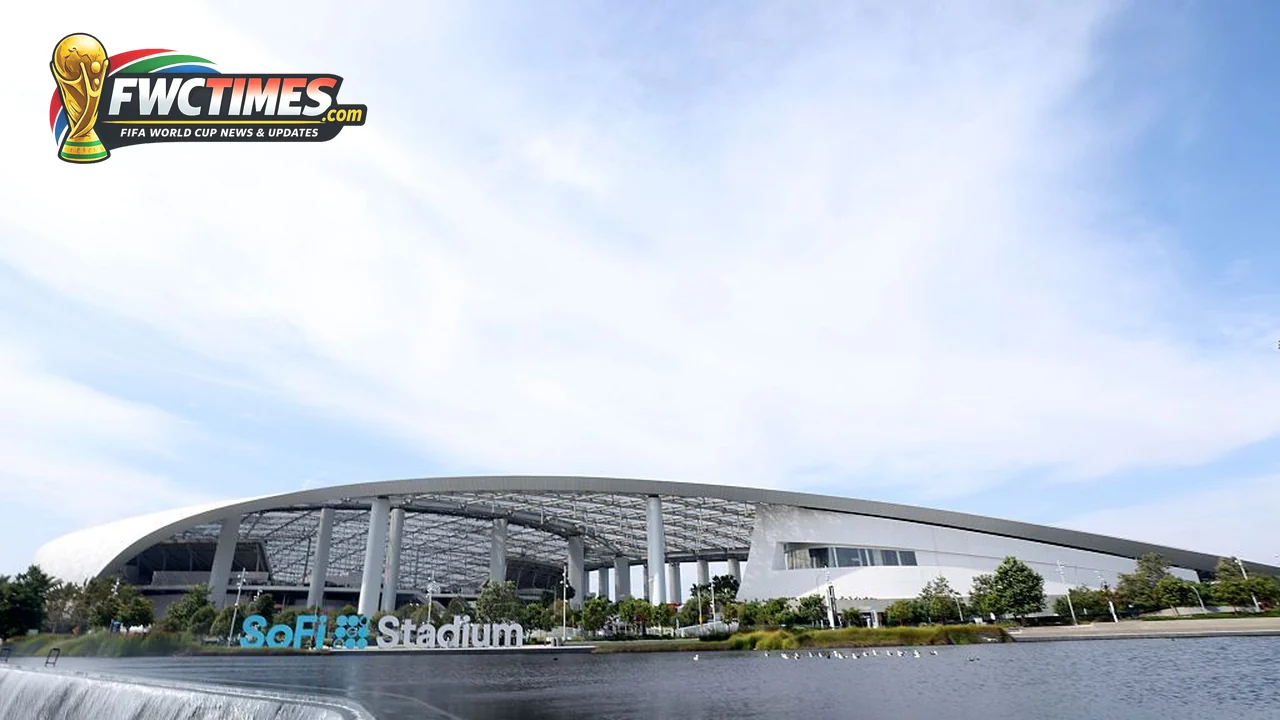
LA28 World Cup Test planning has moved into focus because Los Angeles will use the 2026 matches as a live rehearsal. Los Angeles Stadium will stage eight World Cup games before the city hosts the Olympics two years later. Olympic organizers want to study transport, security and crowd movement under real pressure. The link between both events makes the World Cup a working test, not only a football showcase.
The FIFA World Cup 2026 gives Los Angeles a rare chance to watch global fan movement before LA28 expands the challenge. SoFi Stadium will handle high-demand matches, including United States group-stage football. The Olympic event will involve far more venues and thousands of athletes. That difference makes the World Cup useful as a smaller but realistic pressure test.
Why LA28 Will Watch World Cup Operations Closely
Los Angeles planners need real evidence before they lock final Olympic movement plans. A World Cup match creates traffic surges, security queues, media zones and hospitality pressure in a short window. Those patterns show where the system works and where it slows down. Paper planning cannot replace a stadium event with global demand.
Transport will sit at the center of the review. Fans will move through ride-share zones, shuttle routes, parking plans and regional transit links. Olympic organizers can measure timing from arrival to seat access. They can also study post-match exits, which often expose weak planning faster than entry queues.
Security planning gives LA28 another useful test. The World Cup will bring national teams, VIP delegations, international media and large supporter groups. Those groups require layered screening without turning stadium approaches into gridlock. The Olympic program will need the same logic across more locations.
Crowd communication also matters because visitors will include many first-time stadium guests. Clear signs, language support and mobile updates can reduce confusion near gates. Los Angeles can learn which instructions fans follow and which ones they ignore. That feedback can shape Olympic signage before it becomes expensive to change.
What This Means For World Cup Fans In Los Angeles
Fans should expect the Los Angeles matches to carry extra operational attention. The host city wants each game to work as football and as a planning exercise. That can improve staffing, venue flow and information quality. It can also mean stricter movement rules near SoFi Stadium on matchdays.
The football schedule gives planners different test cases. A United States match brings domestic pressure, while neutral matches bring wider international travel patterns. Knockout football changes arrival behavior because more fans wait until team paths become clear. Each profile gives LA28 a different data set.
Los Angeles also has to compare stadium operations with citywide fan movement. Supporters may arrive from hotels, airports, fan events and surrounding counties. The city needs smooth routes before and after games, not only inside the venue. Olympic organizers will watch those outer routes with care.
The wider benefit can reach other host cities too. Lessons from Los Angeles can support World Cup ticket holders who need clearer travel advice before matchday. It can also help organizers judge how early gates should open for high-demand games. If the test works, Los Angeles gains a cleaner bridge from 2026 to 2028.
| Planning Area | What Los Angeles Can Learn |
|---|---|
| Transport | How fans reach and leave SoFi Stadium under global match pressure |
| Security | How screening, VIP routes and media access work around high-demand games |
| Crowd Flow | Where gates, signs and staff placement need adjustment |
| Olympic Planning | How World Cup data can scale toward LA28 venue operations |
The strongest value sits in timing data. Organizers can see how long fans need from transit drop-off to seat access. They can compare planned routes against actual movement. That evidence helps remove weak assumptions before the Olympic program expands.
Los Angeles has hosted major events before, yet the World Cup brings a different mix. International fans, national teams and global broadcast crews create a tournament rhythm. LA28 can learn from that rhythm while the stakes are still smaller. The city cannot afford to treat the opportunity as a normal stadium event.
Frequently Asked Questions
Los Angeles now has a practical test before LA28, and the World Cup will show which plans survive real crowds.
Stay tuned to FWCTimes.com for the latest FIFA World Cup 2026 updates.
Read Also: DR Congo Ebola Concern Disrupts Portugal Group K Build-Up