
World Cup 2026 Pitch Tests Move Into North America Stadium Phase

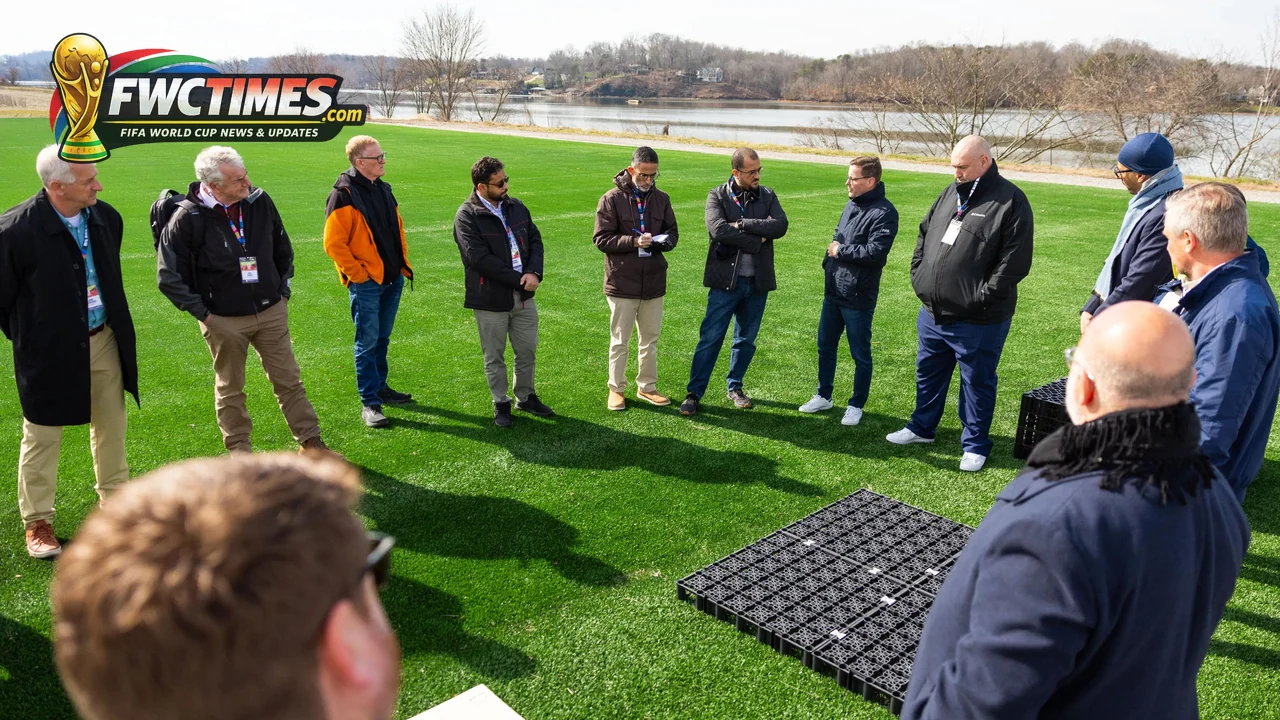
World Cup 2026 Pitch Tests have moved from research plots into the stadium-readiness phase across North America. FIFA has spent years studying natural grass systems for venues that normally host other sports. The FIFA World Cup 2026 will use several NFL stadiums, so grass conversion is a major tournament operation. The quality of those pitches will affect players, tactics and match speed.
FIFA’s pitch project has involved university research, turf specialists and field trials before tournament installation. MetLife Stadium will host the final, which makes the surface question even more visible. Several host venues need temporary grass systems over existing stadium infrastructure. Those conversions must handle heat, travel schedules and packed match calendars.
Natural Grass Conversion Carries The Biggest Venue Risk
The World Cup requires natural grass, but several 2026 venues were built around artificial turf or multipurpose surfaces. That creates a conversion job that needs more than rolling out new sod. Stadium crews must manage root stability, drainage, light, temperature and ball roll. A poor surface can change match rhythm and increase player concern.
Research trials have focused on finding grass systems that can survive short installation windows and heavy event use. Turf specialists test how grass responds to shade, traffic and stadium microclimates. North America adds different weather zones, from humid eastern cities to warmer southern venues. One system will not behave the same way in every host city.
The pitch work matters because teams train around surface speed and bounce. A faster surface helps passing teams move the ball through tight lines. A slower or unstable surface can create loose touches and more direct play. FIFA needs consistency so the tournament does not become a venue-by-venue adjustment problem.
Host Stadiums Need Match-Ready Fields Before Opening Week
Several host venues will attract attention because their normal football calendar differs from World Cup requirements. Los Angeles Stadium and other NFL venues need tournament-ready grass in time for official inspections. Seattle and Dallas also draw questions because surface preparation affects player confidence. The installation schedule must leave time for testing before matchday.
Canadian and Mexican venues also form part of the wider surface picture. Toronto Stadium needs a tournament field that can handle summer conditions and repeated use. Mexico’s venues bring more traditional football environments, but altitude and heat still affect pitch behavior. The goal is a consistent standard across all host countries.
Fans following World Cup tickets usually focus on seats and travel, yet pitch quality shapes the match they watch. A good surface supports faster play and cleaner finishing. A weak one can turn elite games into risk management. Stadium crews now carry one of the most important hidden jobs of the tournament.
The stadium phase also brings visibility because teams and media will inspect surfaces closely. Any early complaint can travel quickly once squads arrive. FIFA’s research work reduces that risk, but final installation still decides the outcome. The next checks will matter more than the lab results.
| Pitch Area | Why It Matters |
|---|---|
| Natural Grass | World Cup matches need grass surfaces that stay stable under elite speed. |
| NFL Venues | Several stadiums need temporary or converted field systems before inspection. |
| Climate | Heat, shade and humidity can change grass behavior across host cities. |
| Player Confidence | Teams need predictable bounce, traction and ball speed during match play. |
The pitch table shows why field work belongs in the tournament news flow. Stadiums can look ready while the surface still needs detailed testing. Grass quality sits below the broadcast layer, yet players notice it from the first touch. Coaches also adjust pressing and passing choices when a pitch feels unstable.
FIFA’s long research window should help reduce last-minute problems. The remaining task is execution at each venue. Field teams need enough time to install, test and correct issues before squads arrive. That work will decide whether the 2026 surfaces feel consistent across the tournament.
Frequently Asked Questions
The surface project now becomes a stadium execution test, not only a research project.
Stay tuned to FWCTimes.com for the latest FIFA World Cup 2026 updates.
Read Also: World Cup Records Put Messi, Klose And Mbappe Back In Focus