
FIFA Water Bottle Ban Changes World Cup Stadium Entry Rules

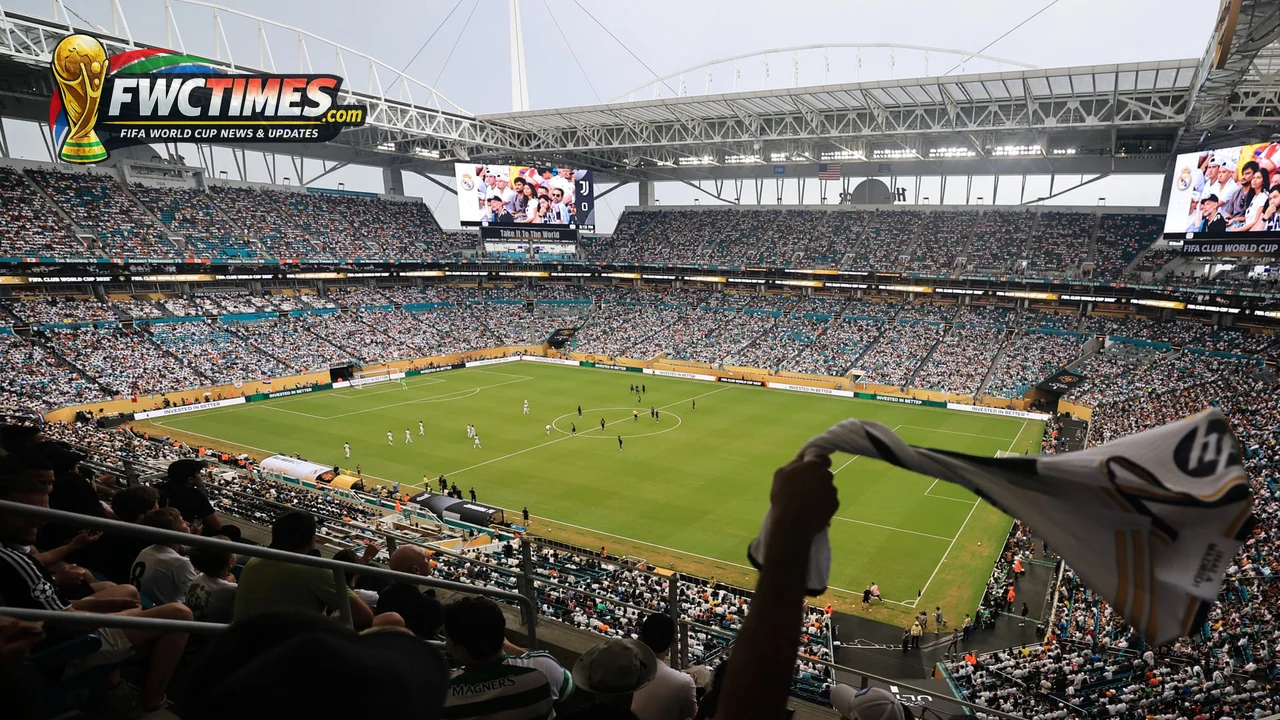
FIFA has banned reusable water bottles from World Cup stadiums, reversing earlier entry guidance before the tournament begins. The FIFA water bottle ban covers empty reusable plastic bottles that supporters previously expected to carry through security. Fans must now adjust hydration plans before entering FIFA World Cup 2026 venues. The change arrives as heat risks remain central to matchday planning.
The original stadium code allowed one empty, transparent reusable plastic bottle with a maximum capacity of one litre. Updated guidance now bars reusable bottles because organizers classify them as possible projectiles. Security teams can also restrict other containers when they judge an item dangerous. Supporters will need to rely on permitted drinks and water access inside each venue.
Why FIFA Reversed Its Reusable Bottle Rule
The revised rule puts crowd safety ahead of the earlier convenience offered to supporters. A filled hard bottle can cause injury when thrown from a stand. Security staff also face difficulty checking every reusable container during peak arrival periods. The ban gives venue teams one uniform rule at turnstiles.
The timing creates a practical problem because many supporters already planned around the earlier permission. Fans may arrive after long transit journeys with bottles they expected to refill. Security staff will likely require those bottles to be discarded before entry. That can slow queues near the busiest kickoff windows.
Supporters attending matches at Miami Stadium may feel the change most during hot and humid conditions. Miami has carried repeated heat warnings during tournament planning. Fans often spend hours outside before security screening begins. Losing a refillable bottle changes how they must prepare for that wait.
Open-air arrivals at Dallas Stadium and other southern venues also demand careful hydration. Stadium roofs can improve conditions inside without protecting every outside queue. Fans should drink water before reaching the final screening area. They should also follow venue-specific notices about sealed drinks and refill stations.
Heat Planning Now Depends More On Venue Operations
The bottle restriction increases pressure on organizers to make water easy to find after entry. Fans cannot manage the entire matchday with a container brought from home. Clear refill points, concession access and visible signs become more important. Long lines could turn a security policy into a health concern.
Matches at Houston Stadium will place similar demands on crowd operations. Supporters may move between outdoor fan areas, transit stops and security zones before reaching their seats. Families, older fans and visitors unfamiliar with local weather need simple instructions. Venue communication must explain exactly what water options remain available.
The change also affects supporter budgets. Fans who expected free refills may need to buy drinks after entry. Organizers have not published one universal stadium water price. Each venue must communicate its own access plan before matchday.
Ticket holders should review the entry instructions attached to their World Cup tickets before leaving for the stadium. The latest venue message should take priority over older screenshots or saved guidance. Fans should arrive early because prohibited bottles can create delays at screening. A light bag and fewer restricted items will reduce that risk.
What Supporters Should Do Before Kickoff
Fans can still hydrate before joining the final security queue. They should finish drinks before screening and avoid carrying expensive reusable bottles. A rejected bottle may have to be surrendered with no storage option nearby. That risk applies even when the bottle is empty.
Supporters should also check whether medical needs create an exception. Venue accessibility teams can explain permitted medical liquids and required documentation. Fans should not assume a standard bottle receives the same treatment as a medical item. Early contact gives staff time to provide a clear answer.
The safest plan uses official matchday instructions rather than general tournament summaries. Entry rules can change when security teams identify a new risk. Fans should review the venue message again on match morning. That small check can prevent a lost bottle and a delayed entry.
Frequently Asked Questions
Venue operators now need to pair the tighter entry rule with fast, visible and affordable water access inside every stadium.
Stay tuned to FWCTimes.com for the latest FIFA World Cup 2026 updates.
Read Also: World Cup Heat Risk Remains Despite Evening Kickoff Shift