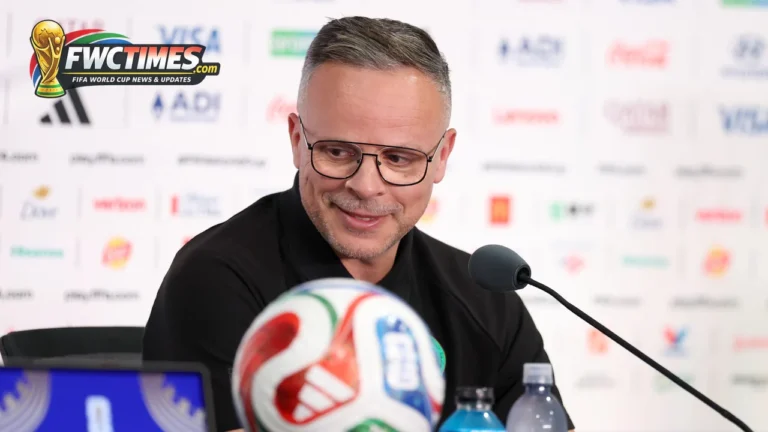
Billy Gilmour Knee Injury Rules Scotland Midfielder Out Of World Cup

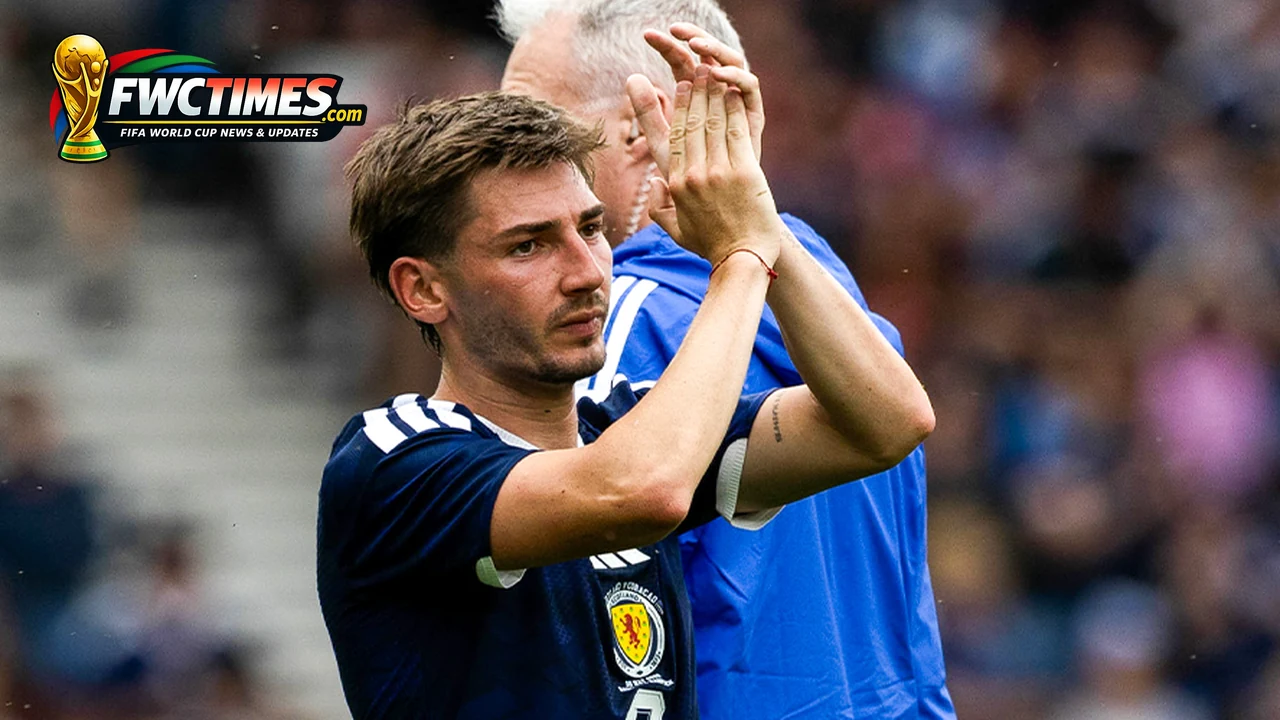
Scotland have lost Billy Gilmour to a knee injury before their World Cup opener. The 24-year-old Napoli midfielder left the 4-1 win over Curacao at Hampden during the first half. A scan confirmed knee damage, so he will return to Napoli for rehabilitation. The setback changes Steve Clarke’s midfield planning before the FIFA World Cup 2026 group campaign.
Gilmour went down without contact during the warm-up fixture, which made the injury concern immediate. Scotland staff removed him quickly, and the post-match scan ended any hope of a short recovery. Clarke now has to decide whether to replace a regular starter with a like-for-like passer or a more physical option. That choice matters because Scotland begin against Haiti in Boston on June 14.
Gilmour Injury Forces A Late Scotland Midfield Rethink
Gilmour played a central role during Scotland’s qualifying work, so his absence affects possession control. Clarke often uses him to receive under pressure, connect the back line, and keep Scotland calm against compact midfields. Scotland still have strong senior options, yet Gilmour offers a specific tempo that few players copy. His loss creates a tactical gap before the tournament has even started.
The timing hurts because the squad had already moved from selection debate to match preparation. Scotland beat Curacao after falling behind, but the result now sits behind the injury news. Clarke described the timing as “so, so cruel,” which captured the emotional edge around the camp. Gilmour had earned trust through repeated high-pressure appearances for country and club.
Napoli will handle the midfielder’s rehabilitation once he returns to Italy. Scotland now need clarity on the replacement process before final match plans settle. The staff can call on standby players, but the incoming midfielder must fit quickly. Tournament squads give coaches little time to rebuild chemistry once camp starts.
Standby Options Give Clarke Three Different Routes
Lennon Miller, Connor Barron, and Andy Irving are all on standby for Scotland. Miller brings ball-carrying promise, Barron offers domestic familiarity, and Irving gives Clarke another left-footed midfield profile. Tyler Fletcher also moved closer to the senior group after training with the squad during the week. Clarke said he needs a full staff discussion before making the final call.
Each option would change Scotland’s midfield balance in a different way. Barron could help in duels and second balls, while Irving may suit a possession-heavy role. Miller gives Scotland a younger midfielder with range and courage in tight spaces. Fletcher’s debut against Curacao also added another name to the discussion, even though he was not in the original World Cup squad.
Scotland’s group opener now becomes a test of adaptability as much as squad depth. Clarke can protect the midfield by giving Scott McTominay more responsibility between phases. He can also ask the wing-backs to build more patiently so the central midfield does not carry every first-pass burden. Gilmour’s injury narrows the margin for error, but it does not remove Scotland’s competitive base.
What Changes Before The Haiti Opener
Scotland face Haiti in Boston on June 14, so the replacement call cannot drift. Training work now needs to reflect the new midfield order, especially in build-up patterns. Clarke must decide whether the next midfielder joins as a direct starter or a depth option. The answer will shape Scotland’s matchday bench and late-game control.
The Curacao match still gave Scotland useful information beyond the injury. They recovered from an early deficit, handled a changed game after a red card, and found goals at Hampden. Even so, World Cup matches will demand more stability against eleven players. Gilmour’s absence makes Scotland’s first pass and pressure resistance the key areas to monitor.
Supporters will focus on the replacement, but the larger issue is rhythm. Scotland need the midfield to support Andy Robertson’s left-sided outlet and give McTominay space to attack. If the central structure holds, Clarke can keep the squad’s broader plan intact. If it becomes stretched, Scotland may need a more conservative first-game approach.
Frequently Asked Questions
Scotland’s next move will show whether Clarke values continuity, physical cover, or a new passing option most after losing Gilmour.
Stay tuned to FWCTimes.com for the latest FIFA World Cup 2026 updates.
Read Also: Scotland Name World Cup Squad With Craig Gordon Included