
USA Starts World Cup Camp At New National Training Center

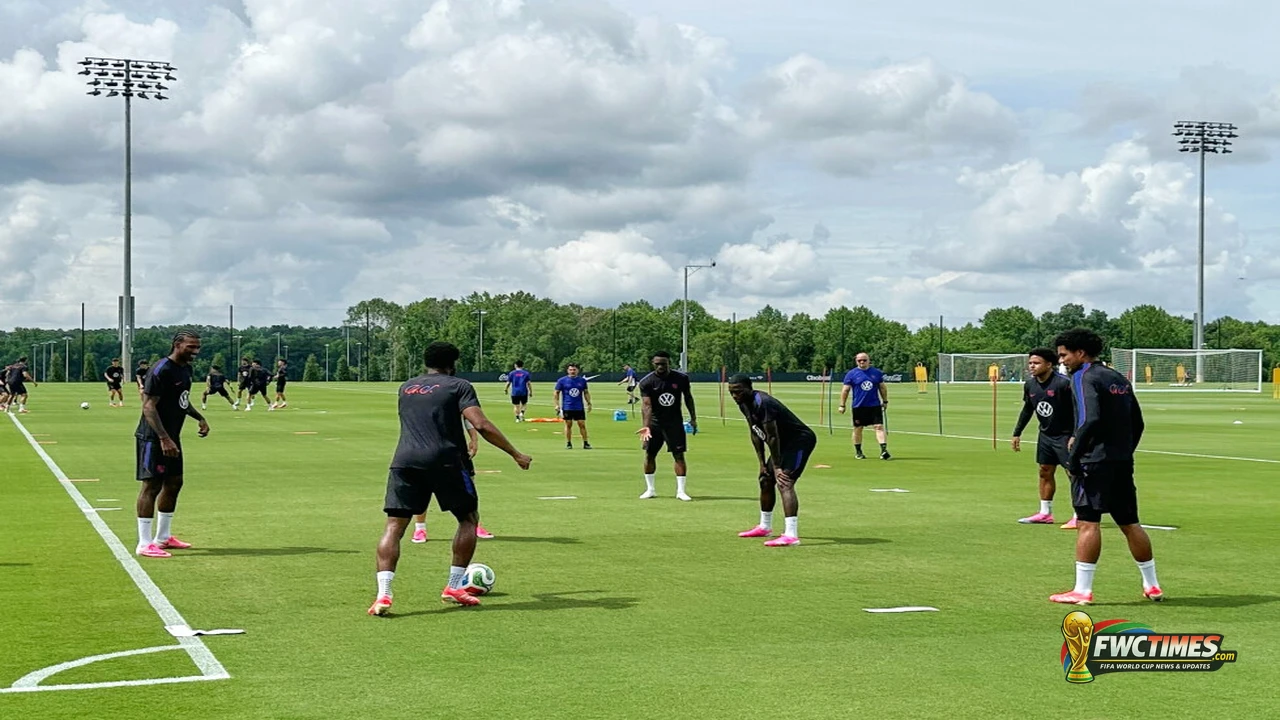
US Soccer training center World Cup preparation has taken a major step forward, with the national team opening camp at the federation’s new base in Fayetteville, Georgia. The timing matters because the United States is no longer borrowing space before the biggest tournament on home soil. Mauricio Pochettino now has a permanent base as his squad enters the final stretch before kickoff.
The new complex changes more than the travel plan. U.S. Soccer has spent years talking about long-term infrastructure, and this is the first time the federation can point to one site that brings the men, women, youth, and extended programs under one roof. Readers following the roster side of camp can also revisit the USMNT roster reveal, because this facility now becomes the stage where those selections turn into tournament work.
AP reported that the site spans 200 acres and carries a $250 million price tag. The federation’s own rollout described a center built around multiple natural grass fields, shared performance spaces, and a year-round national-team base. That blend gives the story more weight than a simple ribbon-cutting line. It shows what the United States thinks serious tournament preparation should look like.
Why the new base matters before the World Cup
The United States has spent past tournament windows moving between borrowed sites, temporary offices, and stitched-together training plans. That reality often looked normal because the team still found ways to compete. Yet the gap with major football nations never disappeared. Countries with stable football systems usually build identity around one national center.
This move closes part of that gap. Pochettino now works in a space designed for national-team football rather than adapted for it. Staff can hold meetings, recovery sessions, video work, and field drills in one place. So the value is practical before it is symbolic.
It also matters for the broader U.S. setup. The complex is not a men-only building project. U.S. Soccer has framed it as the federation’s home for every national-team track, which means the World Cup camp is also a live demonstration of a longer development plan. Anyone comparing planning pressures around tournament hosts can also check Mexico City’s late infrastructure race, because the U.S. angle is less about catching up and more about consolidating resources.
What AP and U.S. Soccer confirmed about the complex
AP’s report tied the current camp directly to the new national training center south of Atlanta. The wire story described a 19-field site on a 200-acre plot, with former players using the opening as a marker for how far the U.S. game has moved. That is the central news line today.
U.S. Soccer’s own launch materials fill in the operational picture. The federation said the center includes 17 outdoor playing surfaces, extensive indoor performance areas, locker rooms, meeting rooms, and headquarters space. The numbers differ slightly by how the site counts every surface, yet the core point is clear. The Americans now have a dedicated national-team home.
That setup could matter immediately. The United States are hosting the tournament, which makes every detail around recovery, scheduling, media management, and training rhythm more visible than usual. A permanent base reduces friction, and small reductions in friction can shape how a host team carries itself over several weeks.
| Training Center Detail | Confirmed Number | Why It Matters |
|---|---|---|
| Project value | $250 million | Shows the scale of the federation’s long-term investment. |
| Site size | 200 acres | Creates room for multiple national-team programs to operate together. |
| Reported field count | 19 fields in AP report | Explains why camp logistics can stay centralized. |
| Outdoor playing surfaces | 17 listed by U.S. Soccer | Confirms the site was built for heavy year-round use. |
| Location | Fayetteville, Georgia, south of Atlanta | Places camp near a major travel hub before the tournament. |
What this means for Mauricio Pochettino and the squad
Pochettino inherits a host team under pressure, but he also inherits better structural support than many previous U.S. coaches had. Camp life can now look more controlled and less improvised. That matters because the coach is still shaping roles, combinations, and physical loads with limited time left.
The permanent base also sharpens expectations. When a federation spends this much on its football home, it is not asking only for clean training sessions. It is asking for better outcomes and a clearer football identity. So the pressure moves upward with the facilities.
That does not mean the center wins matches. The United States still need their leaders to perform, and Pochettino still has to solve familiar tournament questions in midfield and attack. Yet the support structure around those problems looks stronger than it did in earlier World Cup periods.
Why today’s story reaches beyond one camp
This is really a story about maturity. The Americans have spent decades building pieces of a bigger football ecosystem, from academies and pro leagues to youth scouting and commercial growth. A permanent national base does not finish that work, but it makes the project easier to see.
It also gives the federation a visible answer when people ask what home-soil advantage should look like in 2026. The answer is not only crowds and travel comfort. It is also preparation, continuity, and a standard-setting environment.
If the United States make a serious tournament run, this site will become part of that story. If the team falls short, the complex will still stand as a sign that the federation is planning for more than one summer. Stay tuned to fwctimes.com for the latest FIFA World Cup 2026 news.
Frequently Asked Questions
Read Also: Apple TV options for World Cup viewers