Vancouver Releases World Cup Human Rights Action Plan

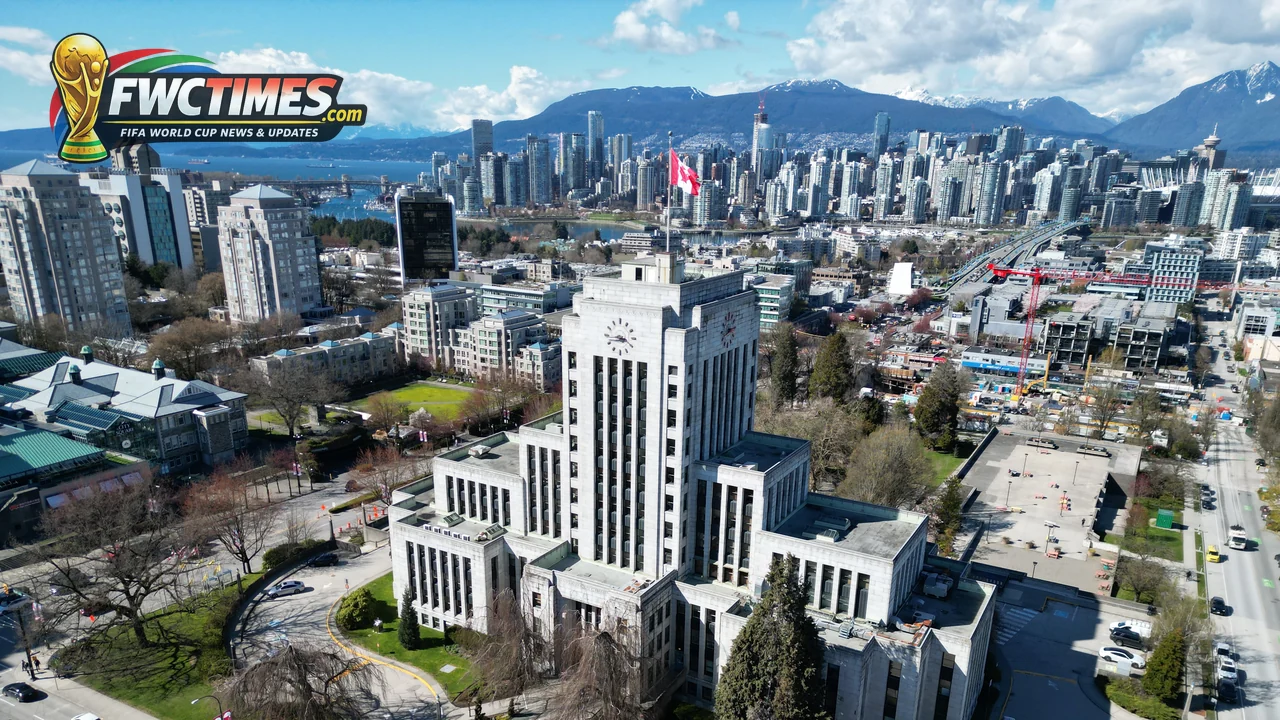
Vancouver has released its World Cup 2026 human rights action plan before its seven-match hosting run. The host city built the plan around FIFA requirements written into 2026 host-city agreements. City officials will use a steering committee to oversee delivery before, during, and after the tournament. The plan gives community groups a clearer route to track safety, access, labour, and inclusion commitments.
The release matters because Vancouver will stage matches at BC Place while visitors move through downtown transport, fan activity, and public-event areas. The plan says consultation shaped the work, including subject experts, partners, and community-serving organizations. It also commits the city to a post-tournament summary report, although the final scope remains yet to be confirmed. That gives residents a public benchmark after the final whistle leaves Canada.
Vancouver Sets Its Oversight Structure
The plan places oversight with a steering committee that includes the Vancouver Host Committee and City of Vancouver executive staff. That structure matters because human rights promises need named owners inside the event build. The committee will track implementation across tournament planning, operations, and community-facing work. It also gives the city a central path for decisions that cut across departments.
FIFA required all 16 host cities to develop action plans, so Vancouver is working inside a shared tournament framework. Even so, each city has different pressure points because stadium locations, transport patterns, and local communities vary. Toronto has separate operational demands around Toronto Stadium, while Vancouver’s focus sits around downtown access and BC Place. Fans should expect city-specific details to matter more than broad tournament language.
| Area | Confirmed Detail | Fan Impact |
|---|---|---|
| Requirement | All 16 host cities must develop human rights plans | Fans and residents get a formal planning standard |
| Oversight | Steering committee with host committee and city executives | Implementation has named senior owners |
| Consultation | Experts, partners, and community-serving groups contributed | Local concerns shaped the plan before release |
| Post-Event Review | Summary report planned after the tournament | Public review will follow once operations finish |
Community Groups Get A Public Benchmark
The strongest part of the plan is the public benchmark it creates before tournament pressure peaks. Host-city promises often sound broad until residents can compare them with named actions. Vancouver’s release gives advocacy groups a document to test against lived experience. It also reduces confusion over which commitments belong to city organizers.
The remaining weakness sits in the details still marked for later. The post-tournament report scope has not been fully defined, and some operational issues will depend on matchday conditions. That said, publishing the plan now gives the city time to fix gaps before large crowds arrive. The next practical test will be how clearly Vancouver communicates access, safety, and reporting channels to fans.
Vancouver’s action plan also fits a wider Canadian hosting story. The tournament will bring visitors through airports, transit corridors, hotels, and public viewing areas. Human rights planning needs to reach those spaces, not only the stadium bowl. Supporters will judge the work by transport access, queue management, disability support, worker protections, and safe public gathering areas.
A public plan also gives journalists, residents, and fan groups a shared checklist. If a transport corridor fails, organizers can connect the problem to access commitments. If workers or volunteers raise concerns, the city can point them toward a defined oversight path. That makes the plan useful during the tournament, not only after the review report appears.
The plan’s value will depend on plain communication before the first Vancouver match. Fans need to know where to report discrimination, unsafe crowding, disability access issues, and service gaps. Community groups need enough notice to see whether city commitments turn into visible operations. Vancouver now has to make the document easy to use outside meeting rooms.
The timing also gives organizers room to adjust before match operations harden. Human rights issues often appear in small service failures before they become larger problems. Clear reporting channels can help city staff solve those failures faster. Vancouver now has a chance to test those channels before visitors arrive in peak numbers.
Frequently Asked Questions
Vancouver has moved from broad tournament preparation into measurable public accountability. The next step is turning the plan into visible matchday delivery for fans, workers, and residents.
Read Also: Ghana To Announce Final World Cup Squad On June 1