Trionda World Cup Ball Needs Charging Before Matches

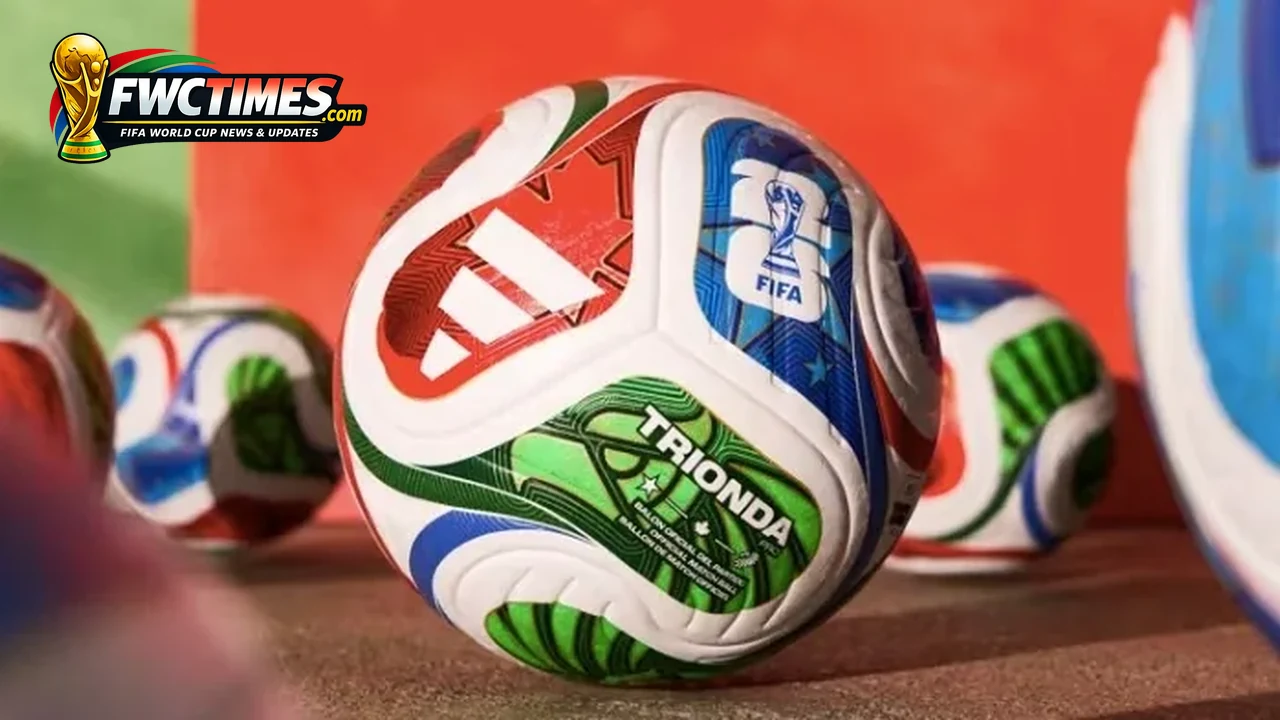
The Trionda World Cup ball needs charging before matches because its sensor tracks live match data. The connected match ball records speed, direction, and contact moments as play unfolds. That technology gives officials another data layer for decisions during the expanded 2026 tournament.
The ball is more than a visual symbol for the first 48-team World Cup. Its internal unit sits inside the match ball and sends movement information in real time. Fans following FIFA World Cup 2026 technology will see the ball join kits, badges, and broadcast tools as part of the tournament product.
Why Trionda Needs A Battery
The ball carries a small sensor that needs power before it can send data. Charging before matches keeps the unit active through warmups, live play, and referee review moments. Without power, the ball would behave like a standard match ball and lose its connected data role.

The sensor tracks how the ball moves after contact. It can record a kick, measure speed, detect changes in direction, and help identify touch points. Officials can use that data beside camera systems when match incidents need technical review.
| Trionda Feature | Verified Detail |
|---|---|
| Technology Type | Connected ball sensor inside the match ball. |
| Power Need | The sensor must be charged before matches. |
| Tracked Data | Ball contact, speed, direction, and movement changes. |
| Use Case | Real-time support for match analysis and officiating data. |
| Tournament Role | Official match-ball technology for World Cup 2026 coverage and operations. |
How Connected Ball Data Supports Officials
Connected ball data does not replace referees. It gives the officiating team another signal when a tight decision depends on timing or ball contact. That matters most in offside checks, handball reviews, and fast penalty-area sequences.
The technology also helps match analysts explain decisions after the review ends. A ball sensor can show when contact happened, while cameras show player position and body movement. Together, the two systems reduce guesswork in moments where one frame can change a result.
The tournament ball also gives broadcast teams cleaner evidence for close calls. Viewers often see a freeze-frame without knowing the exact contact point. Sensor data can make those replays easier to understand when officials need to explain timing.
Why Fans Will Notice The Technology
Most supporters will not see the sensor during normal play. They will notice it when broadcast graphics explain a touch, a speed reading, or a review sequence. The same trend already appears in World Cup kit and badge releases, where tournament details now carry their own storylines.
The charging requirement may sound unusual, but it follows the same logic as referee communication systems. Match technology needs power, checks, backups, and a pre-game routine. Tournament staff will treat the ball as equipment, not only as a piece of sports gear.
That extra preparation also protects match consistency across venues. A replacement ball needs the same working sensor standard before it enters play.
What This Means For Match Operations
Teams will still train and play with a regulation ball. The technical difference sits inside the match version used for official games. Staff must make sure each ball selected for play has working battery life and active sensor connection.
That creates a new pre-match checklist. Ball checks, sensor checks, and system checks need to happen before the teams walk out. Fans buying World Cup tickets will not see that work, but it can shape key decisions during the match.
The Bigger Technology Story At World Cup 2026
Trionda fits into a tournament built around scale and data. The 2026 event spans three host countries, 16 venues, and 104 matches. A connected ball helps organizers standardize technical information across different stadiums and broadcast setups.
The final at New York New Jersey Stadium will bring the highest-pressure use case for the technology. A single sensor-confirmed touch could affect offside timing or a penalty review. That is why pre-match charging becomes a competitive integrity detail, not a novelty.
Frequently Asked Questions
Trionda’s charging requirement shows how much tournament equipment now depends on live data, system checks, and technical reliability.
Stay tuned to FWCTimes.com for the latest FIFA World Cup 2026 updates.
Read Also: TVRI Adds Fola Play For Indonesia World Cup Streaming