Vancouver World Cup Housing Plan Faces Human Rights Pressure

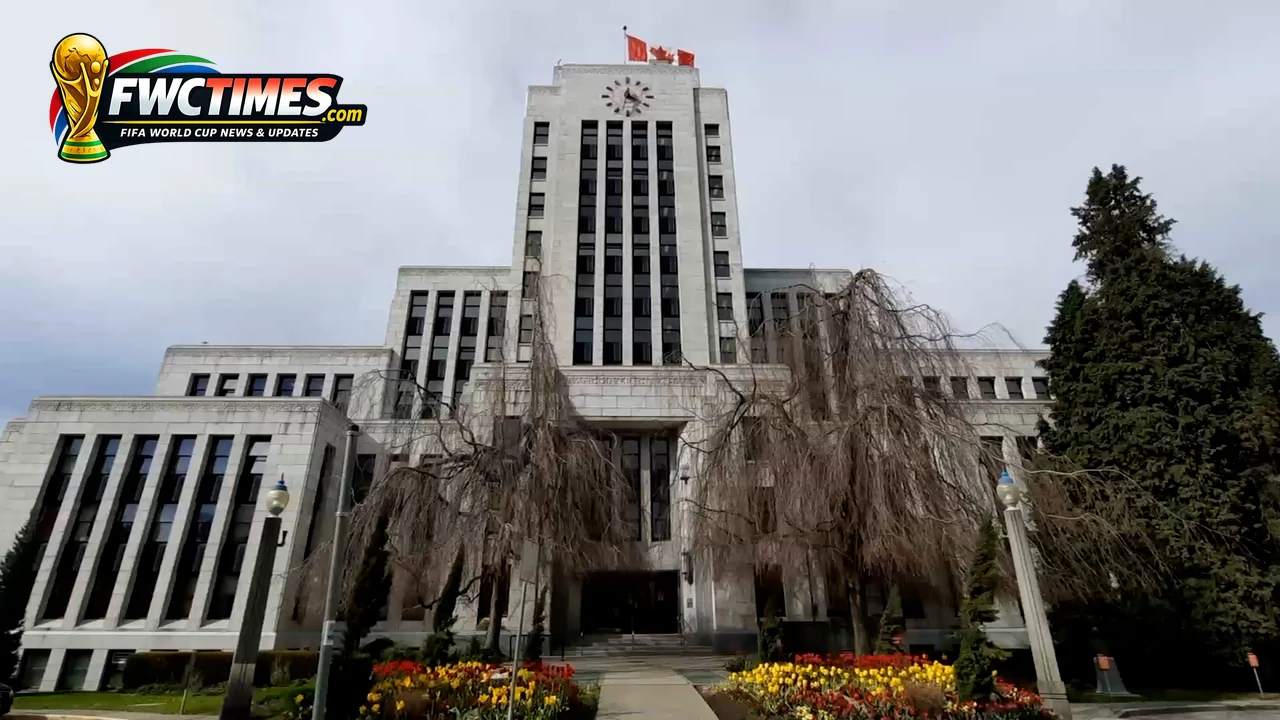
Vancouver councillors are pressing for stronger housing protections before World Cup crowds reach B.C. Place. The Vancouver World Cup housing plan now faces fresh scrutiny because the stadium sits near the Downtown Eastside. City staff have said homelessness services will continue during the tournament, yet advocates want stronger safeguards before June 2026.
The concern is practical as well as political. B.C. Place will anchor Vancouver’s match activity, and the area around the stadium already carries visible pressure on shelters, public space, and outreach teams. The FIFA World Cup 2026 will bring global attention, so the city’s human-rights work now has a matchday test.
Housing Pressure Around B.C. Place
B.C. Place sits close to the Downtown Eastside, where many unhoused residents already rely on street-level services. Tournament crowds will move through the same downtown corridors that connect hotels, transit, restaurants, and fan activity. That overlap makes displacement fears more immediate than a standard event-management issue.
The city expects heavy visitor movement around the venue during the tournament. A large event footprint can change policing patterns, sanitation schedules, temporary fencing, and access to sidewalks. Since many residents use those same spaces daily, advocates want written protections before tournament operations begin.
| Confirmed Area | Verified Detail |
|---|---|
| Main Venue | B.C. Place will stage Vancouver World Cup matches. |
| Local Concern | Unhoused residents near the Downtown Eastside face possible service and access pressure. |
| City Draft Position | Vancouver says homelessness services and programs will continue during the tournament. |
| Advocate Request | Councillors and advocates want stronger, clearer human-rights protections. |
City Promises Now Need Matchday Detail
The draft human-rights plan says Vancouver will keep homelessness programs operating during the World Cup. That statement gives a baseline, but it does not answer every matchday question. Residents still need to know whether outreach access, storage, washrooms, and emergency referrals will remain stable.
Councillors Pete Fry and Lucy Maloney have pushed the issue into public debate through a motion. Their concern centers on stronger support before crowds arrive, not a symbolic pledge after venue plans are set. Since the tournament creates pressure on public space, the city has to explain how support teams will work around security zones.
Why Fans Should Follow The Housing Debate
Fans usually read venue news through transport, tickets, and match access. Vancouver’s case adds a local layer because matchday planning affects people who may never enter the stadium. Supporters using World Cup ticket planning also need to understand how downtown routes may change near the venue.
Hotel demand, crowd management, and temporary event zones can push vulnerable communities out of sight. The strongest plans name where services move, who runs outreach, and how residents can raise complaints. Vancouver has time to make those details public before the first local kickoff.
The Downtown Eastside Question Vancouver Cannot Avoid
The Downtown Eastside already sits at the center of Vancouver’s housing emergency. A World Cup overlay raises the stakes because international visitors will move through a city where inequality is visible within walking distance of the stadium. Officials cannot separate the tournament image from the neighborhood beside it.
A human-rights plan works only if residents can feel its protections on the ground. That means outreach workers need predictable access, sanitation teams need clear routes, and security teams need rules that prevent informal displacement. The debate now turns on whether Vancouver publishes those details before tournament operations lock in.
What Comes Next For Vancouver
The next test is whether the city turns broad language into operating instructions. Matchday plans should identify service access, temporary shelter routes, emergency contacts, and complaint channels. Since the issue affects both residents and visitors, D.C. World Cup watch-party planning shows how host-city logistics can reach beyond the stadium gates.
Vancouver still has a chance to avoid a last-minute rights dispute. The city can publish stronger safeguards before crowds arrive, then measure whether services stayed open during each match window. That approach would give residents, advocates, and fans a clearer standard to judge.
Frequently Asked Questions
Vancouver’s housing debate now sits inside its tournament planning, and the city has to turn rights language into usable matchday safeguards.
Stay tuned to FWCTimes.com for the latest FIFA World Cup 2026 updates.
Read Also: Qatar Embassy Issues US Travel Guidelines For World Cup Fans