How to Watch FIFA World Cup 2026 Live on Prime Tv

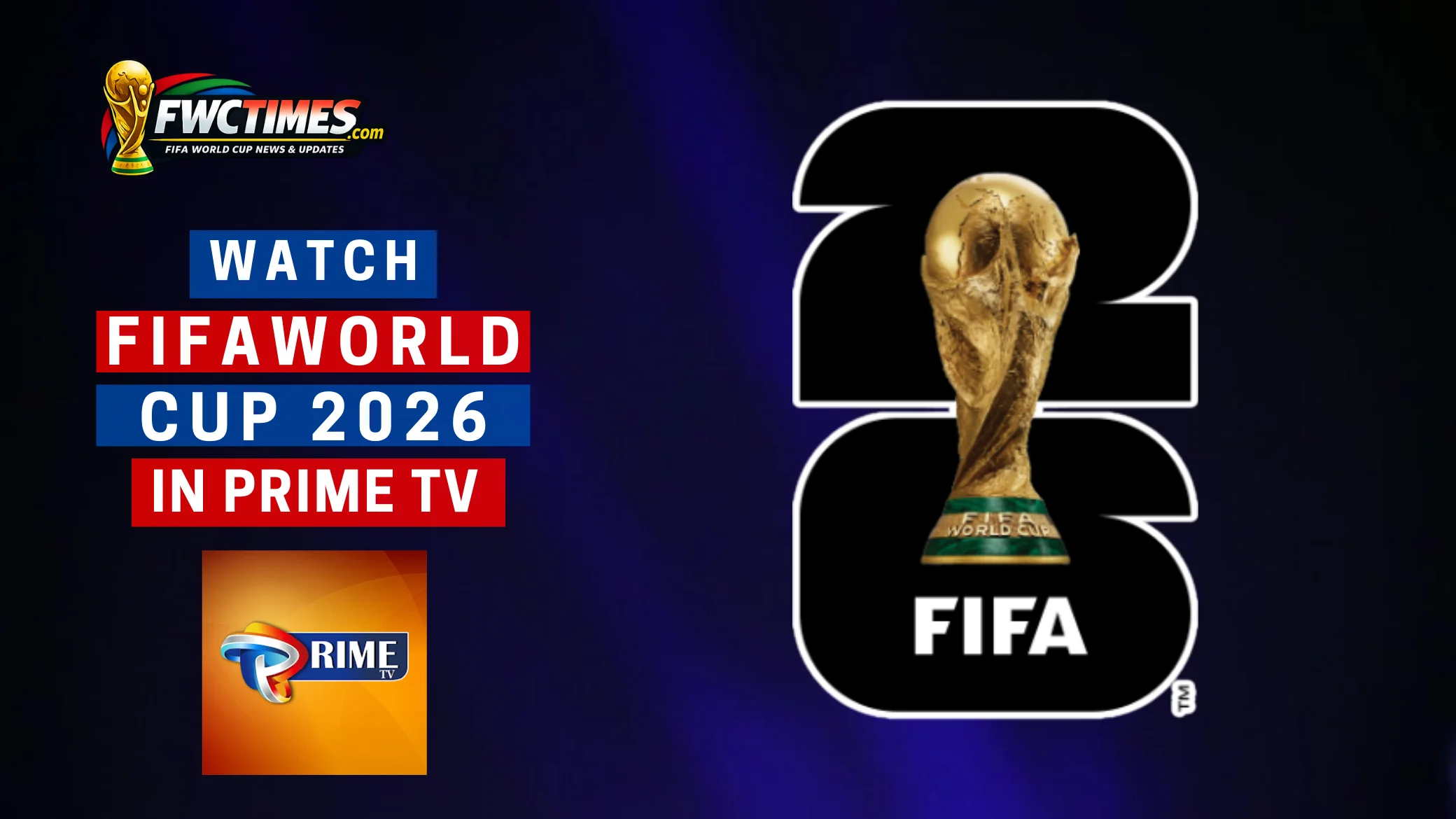
Prime TV is one of the local names Nepal viewers should keep in focus for FIFA World Cup 2026, but the strongest confirmed rights fact sits one level above the channel. FIFA’s Asia media-rights update says Acepro Media is the official partner in Nepal. That gives readers a solid starting point, while the exact final channel-by-channel consumer map still needs careful handling. This rewrite separates those two things properly.
The useful answer today is straightforward. Nepal has a confirmed local rights partner, and Prime TV is one of the most relevant consumer-facing names linked to that viewing picture. What readers still need closer to kickoff is the final public release that spells out the exact match distribution across television and any supporting digital routes. That is the honest shape of the market right now.
| Prime Tv World Cup 2026 Access At A Glance | Details |
|---|---|
| Broadcaster | Prime Tv |
| Market | Nepal |
| Coverage Role | Prime TV is one of the local names Nepal viewers should keep in focus for FIFA World Cup 2026 , but the strongest confirmed rights fact sits one level above the channel. |
| Match Access | yet to be confirmed |
| Streaming and Mobile | What readers still need closer to kickoff is the final public release that spells out the exact match distribution across television and any supporting digital routes. |
| Best Use | Use the official broadcaster schedule before kickoff. |
Acepro Media is the official rights anchor in Nepal
FIFA’s March 1, 2026 Asia rights announcement settled the most important part of the Nepal story. The governing body said agreements had been reached in Nepal with Acepro Media. That means the local rights identity is no longer speculative. A named partner is already in place.
This is what gives the Prime TV article its foundation. Even if viewers search for the consumer-facing broadcaster first, the rights-side answer tells them where the local structure begins. Good World Cup coverage should always start there when the final public channel map is still developing.
The wider regional map in World Cup 2026 broadcasting rights shows why this matters. Several Asian markets now have clear partner names before every last screen detail is public. Nepal belongs in that group. That is not a weakness. It is simply the stage of the rights rollout.
Why Prime TV still matters to local viewers
Rights announcements do not help ordinary fans unless they connect to a real viewing habit. Prime TV matters because it is one of the local broadcast names viewers can actually act on once the tournament gets close. It brings the story down from the rights-holder level to the household level. That is what makes the page practical.
That practical value matters more in a 104-match World Cup than in a smaller tournament. Fans need a route they can recognize quickly when the opener arrives. A familiar local channel name reduces friction, especially for households that return mainly for major international football.
The article also needs to protect readers from over-assumption. Prime TV is a meaningful local name, yet the final match-by-match allocation should still be checked once Acepro’s consumer rollout is fully public. That balance makes the page more useful than a loose claim that everything is already locked.
What is confirmed and what is still yet to be confirmed
The confirmed part is simple. Nepal has a World Cup rights partner, and FIFA has named Acepro Media directly. That settles the top-level market question.
The part that still needs a final public release is the exact distribution across Prime TV and any other local television or digital surfaces connected to the deal. That is why careful wording matters. Viewers should treat Prime TV as one of the important local names, while still checking the final official schedule map before kickoff.
This distinction improves the article because it gives readers both certainty and caution in the right places. They know the rights are sold. They know Prime TV is relevant. They also know that the last mile of distribution detail is still yet to be confirmed in one complete public map.
Why Nepal viewers should prepare early
The 2026 World Cup will create a difficult viewing pattern for South Asia. Matches from the United States, Mexico, and Canada will push some kickoffs late into the night and into the early morning in Nepal. That means the final platform mix will matter more than many readers expect. A long tournament punishes weak planning.
This is where Prime TV’s role could become important. If the channel sits inside the main live setup, it gives households a stable television-first route for the biggest nights. That matters for families, bars, and casual viewers who still prefer a simple broadcast answer over a scattered digital search.
If you want a wider comparison with other markets and broadcaster structures, the World Cup 2026 TV channels overview is useful. Locally, though, the strongest current answer remains tied to Acepro Media’s confirmed Nepal rights and the local TV names connected to that structure.
Best way to watch the World Cup in Nepal
The smartest setup is to treat Acepro Media as the confirmed rights base and Prime TV as one of the main local broadcast names to monitor closely. That gives you the correct market frame without pretending the final match allocation is already fully public. It is the safest and most practical approach.
You should also prepare for a tournament that will not fit one simple nightly routine. A few matches will be easy live watches, while others will demand late alarms or selective planning. The How to Watch hub on FWCTimes can help you track final local updates as they arrive.
The rewrite now gives Nepal viewers a stronger answer than the older generic version. It names the official rights partner, keeps Prime TV in the right part of the story, and avoids promises the public rollout has not yet made.
That matters because a long World Cup punishes loose assumptions. Viewers who treat one early rumor like a final schedule often end up scrambling on opening week. A rights page should stop that from happening. This version does that by giving Prime TV enough weight to matter without stretching the available evidence.
It also gives the article more long-term value. Once the final consumer rollout lands, readers will not need to relearn the whole market from scratch. They already understand the rights anchor, the likely local television path, and the part of the story that still needs final confirmation.
Nepal viewers benefit from that kind of structure because it reduces confusion before the tournament even starts. The less time they spend decoding the market, the more easily they can focus on actual match planning, late-night routines, and the games that matter most to them.
FAQs
Is Nepal’s World Cup rights deal officially confirmed?
Yes. FIFA’s Asia rights update says Nepal has an agreement with Acepro Media. That is the clearest official rights fact in the market.
Does that mean Prime TV has every match confirmed already?
Not in one final public consumer release. Prime TV is one of the key local names to watch, while the exact final distribution still needs confirmation.
Why does Prime TV still matter if Acepro Media holds the rights?
Because viewers need a real local broadcast name they can recognize and use. Prime TV helps connect the rights deal to an actual household viewing route.
Should Nepal viewers wait for the final schedule map?
Yes. That is the safest way to know the exact match-by-match channel and platform arrangement before kickoff.
What is the smartest setup in Nepal?
Start with Acepro Media as the confirmed rights base, keep Prime TV in view as a likely local route, and check the final official distribution plan before the opener. That is the strongest current plan.