Houston Green Corridor Gets World Cup Transit Test

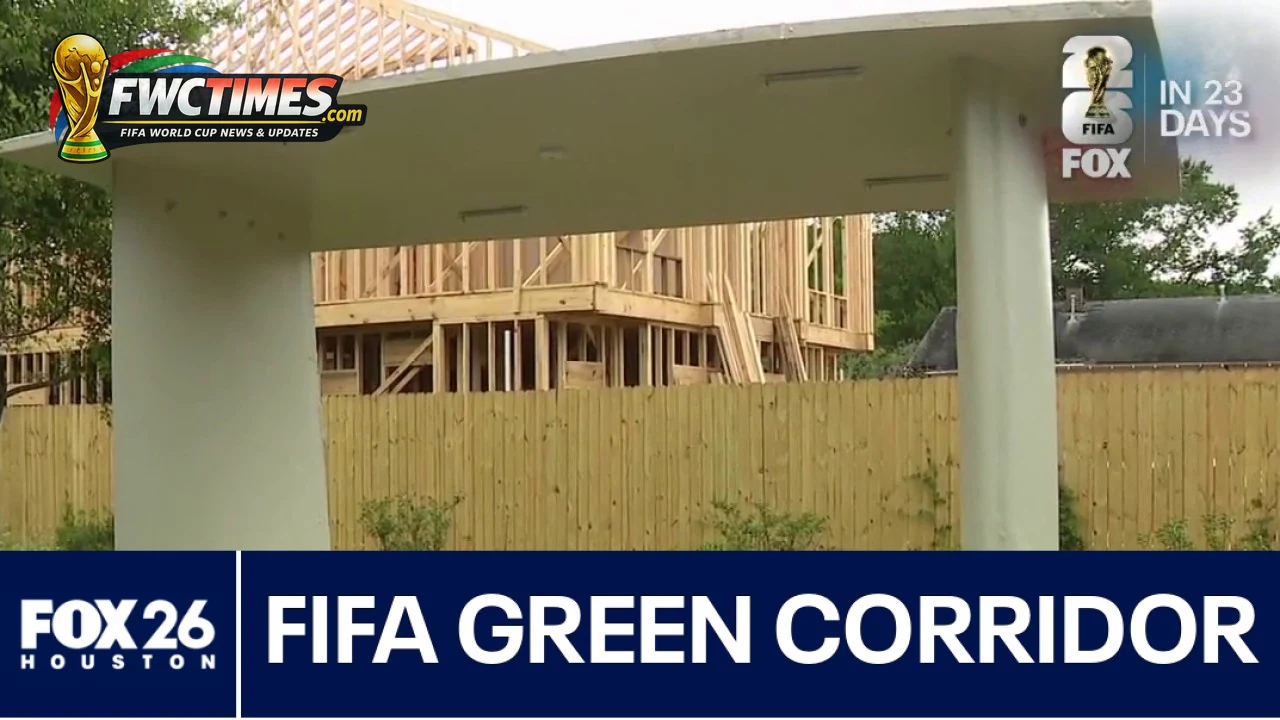
Houston’s Green Corridor is becoming a central fan-movement test before FIFA World Cup 2026 reaches NRG Stadium. The route is designed to connect the FIFA Fan Festival area in EaDo, downtown, and Houston Stadium. Local planning frames the corridor as a 14-mile link using transit, trails, and public spaces.
The corridor matters because Houston will host seven World Cup matches, including knockout football. Large crowds will move between hotels, fan events, and the stadium under summer conditions. A car-first approach would strain roads and parking near NRG Park, so the corridor tries to spread movement across connected routes.
The Route Connects The Fan Festival And Stadium
Houston’s World Cup map has three practical anchors: EaDo, downtown, and NRG Stadium. The Green Corridor brings those areas under one fan route instead of treating them as separate destinations. That helps visitors understand where to stay, where to gather, and how to move before kickoff.
Transit planning will matter most on days with early kickoffs or overlapping fan events. NRG Stadium sits near the METRORail Red Line, which gives fans a known rail option. Trails and pedestrian improvements can support shorter local movement if signage works.
The timing also gives editors, fans, and travel planners a cleaner way to separate confirmed facts from noise. Tournament preparation moves quickly in the final weeks, so each verified detail changes how people plan matchdays. The important point for readers is not hype; it is knowing which decision affects tickets, viewing, travel, or squad readiness. That is why this story deserves a deeper update now. The final month before kickoff leaves little room for vague assumptions, because supporters need confirmed information they can use. A stronger article should explain what changed, what remains pending, and what readers should monitor next before making travel, viewing, or matchday decisions safely.
| Key Detail | Confirmed Information |
|---|---|
| Project | Houston Green Corridor |
| Route length | 14-mile connected corridor |
| Key areas | EaDo, downtown Houston, Houston Stadium |
| Fan event link | FIFA Fan Festival area |
| Stadium role | Seven World Cup matches at Houston Stadium |
Matchdays Will Decide Its Value
The corridor’s success will depend on how simple it feels when fans arrive. Clear signs, late service, shaded waiting areas, and volunteer support can turn a planning idea into a usable route. Fans checking World Cup tickets should also plan transport before choosing lodging.
Houston’s preparation deserves attention in FIFA World Cup news because mobility can shape fan perception as much as stadium seating. Seven matches bring repeated stress tests, not a single event day. If the corridor works, Houston gets a lasting transit story after the tournament.
The next step is practical verification rather than speculation. Fans should watch for confirmed schedules, official access details, final squads, and venue instructions as they are released. Any missing item should remain marked as unconfirmed until a responsible body publishes it. FWCTimes will keep the focus on details that help readers act, not reused tournament chatter. The safest publishing route is to keep unsupported claims out, explain the verified timeline, and connect each update to the fan decision it changes most. That approach keeps the article useful for search readers, mobile visitors, and supporters making quick plans before kickoff and during tournament week. Strong updates also need enough background to show why a detail matters, who it affects, and what remains unresolved after the first announcement, especially when travel, access, safety, or match preparation changes for supporters and teams.
Frequently Asked Questions
Houston’s Green Corridor now needs to turn planning language into a simple matchday route fans can trust.
Use FWCTimes.com for the latest FIFA World Cup 2026 updates.
Read Also: Iran Takes 30-Man Squad To Turkey Before US Trip