DHS Leaves ICE Arrests On Table For World Cup Security

DHS has left ICE arrests on the table during the 2026 World Cup, while saying agents will not target mass immigration roundups at matches. The department expects several federal components to support security across U.S. host cities. The comments put fan safety, counterfeit enforcement and immigration concerns into the same matchday planning conversation.
The issue matters because the United States will host matches in 11 cities during FIFA World Cup 2026. More than a million foreign visitors are expected across the tournament period. Any federal security role can affect fan movement, ticket checks and public confidence around stadium areas.
DHS Frames ICE Role Around Security And Customs
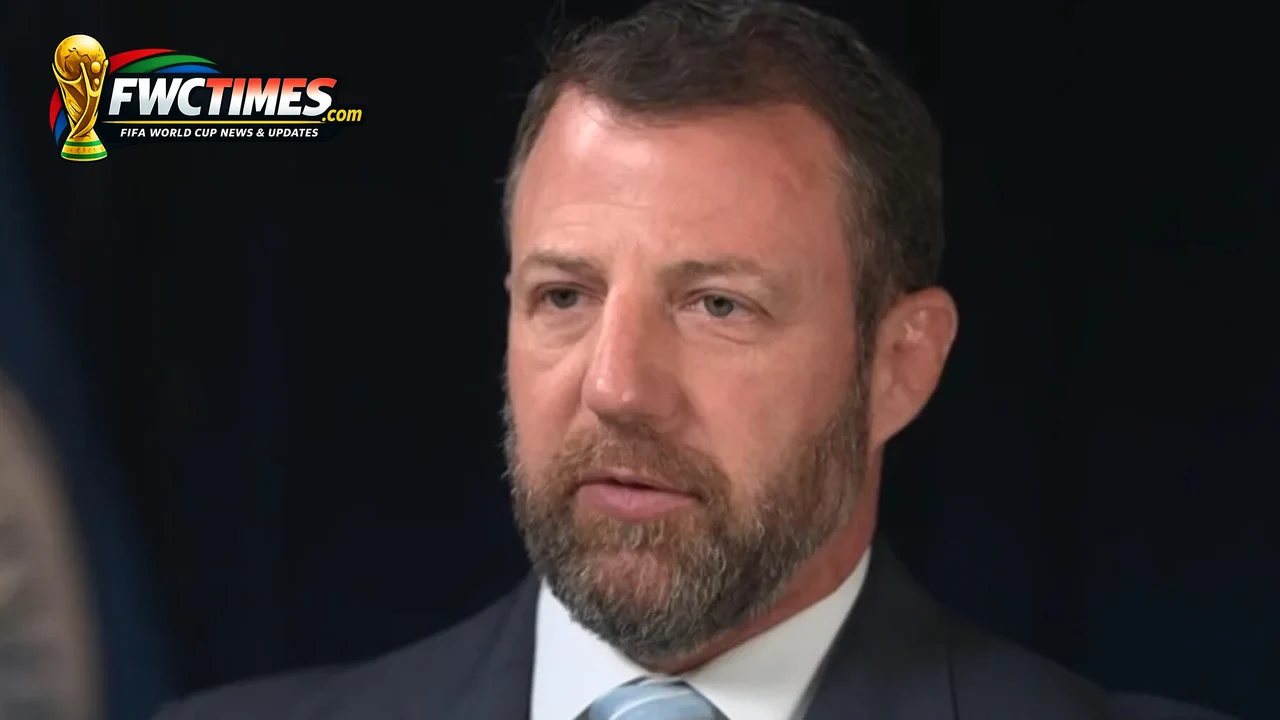
DHS Secretary Markwayne Mullin said ICE arrests are not off the table at the World Cup. He also said agents are not being sent to “go round up mass individuals,” a line that limits the stated purpose of the deployment. The distinction matters for fans who worry about whether stadium security will become immigration enforcement.

Mullin framed ICE’s role through customs enforcement and major-event security. He pointed to counterfeit products, counterfeit tickets and fake clothing as examples of issues the agency can handle around large sporting events. That gives the department a commercial-enforcement reason for being near venues.
He also said officers may encounter people wanted for serious crimes or flagged through international systems. That means DHS has not narrowed the role to merchandise and tickets alone. Fans should expect a federal presence to sit alongside local police, stadium security and tournament operations.
U.S. Host Cities Face A Larger Security Test
The World Cup gives U.S. agencies a security challenge spread across multiple cities, airports, fan festivals and stadium zones. Unlike a single championship game, the tournament runs for weeks and brings fans from dozens of countries. That makes coordination harder for federal, state and local agencies.
Federal security work can cover border screening, cyber risks, counterfeit goods, ticket fraud, crowd safety and threats against teams or venues. Fans may notice extra screening around stadium perimeters, transport hubs and official events. The visible security level can vary by city and match profile.
The U.S. schedule also includes high-demand matches that will attract large international crowds. Fans buying World Cup 2026 tickets should keep confirmation emails, IDs and travel documents accessible. Clear paperwork can reduce delays if checks become tighter near matchday.
Leadership Change Adds Another Moving Part
ICE is also entering a leadership change before the tournament. Acting Director Todd Lyons is expected to leave at the end of May, with David Venturella set to serve as interim head. That shift adds another moving part while DHS prepares for World Cup operations.
Leadership changes can affect public messaging, but they do not remove the need for venue-level clarity. Fans still need practical information about what they can bring, where they can enter and how security checks will work. The final matchday instructions will matter more than broad agency statements.
Tournament organizers and local authorities will need to explain security rules without creating confusion for visitors. International fans may not know the difference between local police, federal officers and stadium contractors. Clear signage and consistent entry rules will reduce friction at U.S. venues.
What Fans Should Watch Next
Fans should watch for city-specific security briefings as the tournament gets closer. A broad DHS role does not automatically mean the same setup at every stadium. Venue location, match profile, crowd size and local regulations can all shape the final plan.
Visitors should also avoid counterfeit tickets and unofficial merchandise sellers near stadiums. Counterfeit enforcement is one of the clearest reasons DHS described for ICE involvement. Buying through official channels reduces the risk of losing money or facing entry problems.
The security debate will remain active because the tournament combines global travel with domestic immigration politics. Fans following FIFA World Cup news should separate confirmed matchday rules from political claims. The practical question is how each venue handles entry, transport and fan communication.
Frequently Asked Questions
Stay tuned to FWCTimes.com for the latest FIFA World Cup 2026 updates.
Read Also: North Texas World Cup Tailgating Still Unclear Before 9-Match Run