Dallas Whale Mural Painted Over In FIFA Blue Row

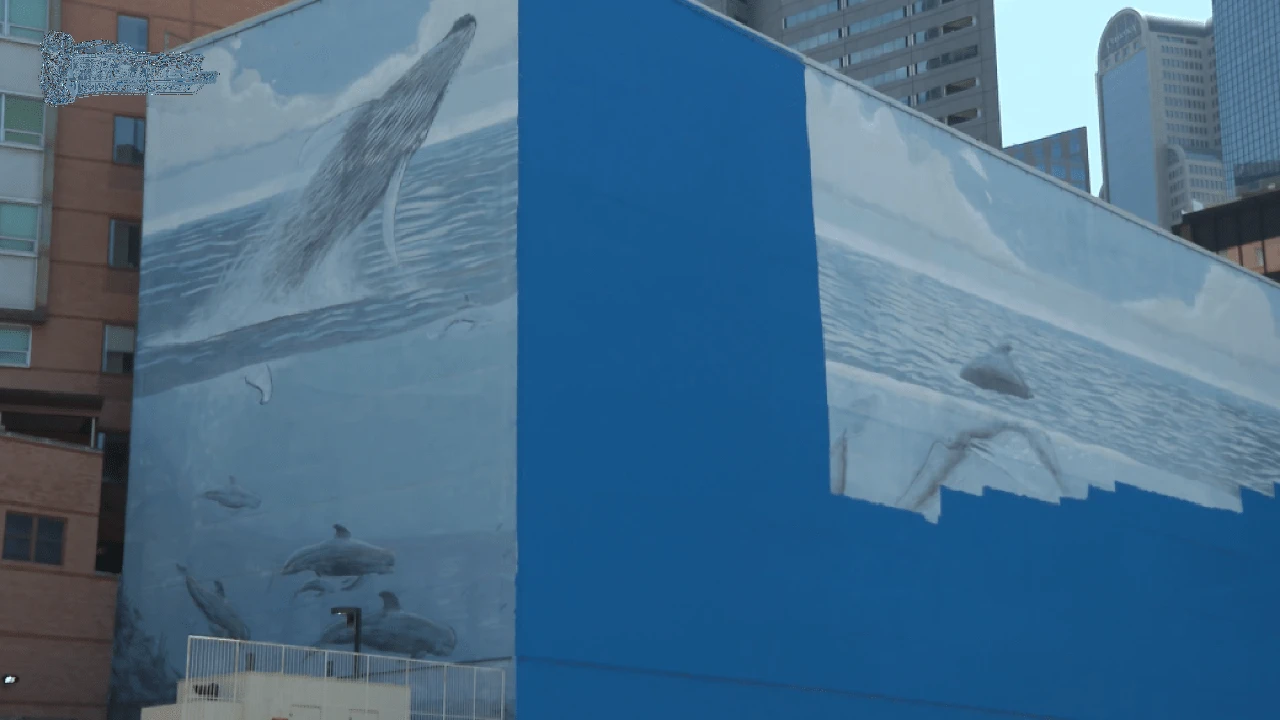
Dallas crews painted over Wyland’s whale mural as FIFA World Cup 2026 promotion began. The decision pushed a local art landmark into one of the sharpest host-city backlash stories of May 2026. By Monday, May 18, 2026, the argument had moved well beyond paint and design. It had become a debate about who gets to reshape a city’s identity before the tournament opens.
The mural stood at 505 N. Akard Street and had been part of downtown Dallas since 1999. Local reports said the North Texas FIFA World Cup Organizing Committee approved a new World Cup-themed work on the wall, while artist Robert Wyland said no one consulted him before crews covered the piece. That clash gave the story real weight because the erased image was not a disposable ad. It was a public artwork many Dallas residents had folded into their idea of the city.
The timing adds more heat. Dallas is preparing for nine matches during the expanded FIFA World Cup 2026, more than any other host city in the United States, and it also expects intense attention around its host-city branding. Anyone tracking the wider stadium picture can already use the full Dallas match list and Dallas Stadium 2026 venue details. This mural fight shows how quickly a celebration campaign can turn into a trust problem.
Why The Dallas Whale Mural Painted Over Story Grew So Fast
Local reaction took off because residents did not see an empty wall being repurposed. They saw a familiar downtown image vanish under blocks of blue paint. NBC DFW reported that passersby described the piece as part of Dallas’ artistic identity, while D Magazine traced the repainting to the building owner at 505 N. Akard and the North Texas organizing committee. That combination gave the backlash both a cultural target and an event target.
Wyland’s side added the second layer. Local coverage said he believed the repaint might raise questions under the Visual Artists Rights Act, and he openly discussed possible legal action. That does not mean a lawsuit is certain, but it changed the public reading of the story. The issue stopped looking like a routine mural swap and started looking like a possible rights dispute tied to a global event.
The organizing committee also helped define the story with its own words. NBC DFW reported that a spokesperson said the new mural would “celebrate and build excitement for the upcoming World Cup 2026.” That line explains the committee’s intent, yet it also sharpened the criticism. Many residents read the project as tournament branding replacing a Dallas symbol rather than building on it.
How The Dallas Whale Mural Painted Over Plan Unfolded
D Magazine laid out a clear sequence. People began noticing the repaint on May 12, 2026. By May 14, local outlets had confirmed that a World Cup-themed mural would replace the whale wall. By the weekend of May 15 to May 17, the broad side of the mural had been covered in dark blue paint.
That pace mattered because the public did not get a long runway for explanation or buy-in. Residents watched the mural disappear almost in real time through street photos, local TV clips, and social posts. Once that happened, the committee lost the chance to frame the work as a careful civic collaboration. The visual evidence was stronger than any late statement.
The dispute also landed at a bad moment for organizers. Dallas wants to present itself as the most prepared and most visible American host city, and it has the match count to support that pitch. Yet a public-art controversy pulls attention away from readiness and toward judgment. That is the kind of shift event planners try hard to avoid during the final month before kickoff.
| Verified Detail | Current Status | Why It Matters |
|---|---|---|
| Mural location | 505 N. Akard Street, Dallas | The dispute centers on a visible downtown site, not a hidden wall. |
| Original artwork date | 1999 | The mural carried long local recognition before the World Cup repaint. |
| Original artist | Robert Wyland | His public objection turned a local repaint into a rights and legacy issue. |
| Committee position | New art will celebrate and build excitement for World Cup 2026 | The official message frames the repaint as event promotion. |
| Dallas tournament load | 9 matches, including a semi-final | Dallas has the biggest match slate of any host city, so scrutiny is higher. |
| Legal pressure | Possible action discussed, outcome yet to be confirmed | The story may keep moving after the paint work ends. |
Why Backlash Hit Hard Before The Tournament Even Started
Host-city promotion usually works best when it adds something new without wiping out something loved. Dallas missed that balance here. USA Today’s account, carried by Yahoo Sports, showed just how personal the reaction became for locals and for the Wyland Foundation. The complaint was not only that a mural disappeared. The complaint was that a city preparing to welcome the world erased part of its own visual memory first.
That reaction carries a wider lesson for tournament organizers. World Cup branding has to live inside local places that already hold meaning. If organizers treat those places like blank surfaces, the event can start to feel imposed instead of shared. Dallas still has time to manage the fallout, but it cannot erase the first impression this decision created.
The issue also cuts across more than art. Dallas has spent months selling scale, logistics, and commercial upside ahead of June 2026. Readers who follow the broader host-city business angle can compare that push with the expected economic impact on host cities. Economic upside stays important, yet civic mood can shape how that upside is received on the ground.
What Organizers Gain And Risk From The New World Cup Mural
Organizers do gain something obvious from the repaint. They turn a central downtown wall into a fresh World Cup billboard at the exact moment fan traffic and media interest are rising. A new work tied directly to the tournament can create photo circulation, local chatter, and brand repetition before the first ball is kicked. From a pure event-marketing angle, the move is easy to understand.
The risk sits on the other side of the same equation. When the promotional gain depends on destroying a familiar landmark, the campaign can start by creating opponents instead of supporters. Dallas had already locked in a stronger World Cup headline through its host-city leading match count. That made this mural row unnecessary from a momentum standpoint. The city already had a positive tournament hook.
There is also a trust issue for the final stretch. Fans and residents are more likely to support bold host-city projects when they see transparent planning and clear consultation. This repaint produced the opposite reading. People saw speed, surprise, and replacement. That is a risky mix for any organizing committee trying to keep the public onside through a month of security changes, traffic controls, and event branding.
What The Mural Fight Means For Dallas As A World Cup Host
Dallas remains a major World Cup center no matter how this argument ends. FIFA’s own host-city material says Dallas will stage nine matches, including the first semi-final, and local planning around the tournament remains huge. The city still holds real event power, and that will not change because of one mural story. Yet the dispute has shown that visibility cuts both ways.
Big hosts do not just absorb praise. They absorb symbolic mistakes too, and those mistakes travel fast because the city already sits in the spotlight. That is why this story matters beyond one building wall. It offers an early test of how Dallas handles criticism when local culture and tournament promotion pull in different directions.
The next step is simple. Organizers need the replacement work to look thoughtful, and they need their communication to sound less transactional than the rollout did. If they do not adjust, the mural may remain one of the first things neutral fans remember about Dallas before kickoff. That is a weak return for a city with this much World Cup weight.
Frequently Asked Questions
Dallas still has the tournament scale to shape a strong summer. Yet this mural dispute has shown that host-city marketing can backfire when residents feel erased instead of included.
Stay tuned to fwctimes.com for the latest FIFA World Cup 2026 updates.
Read Also: Dallas World Cup 2026 Match Count Leads All Host Cities