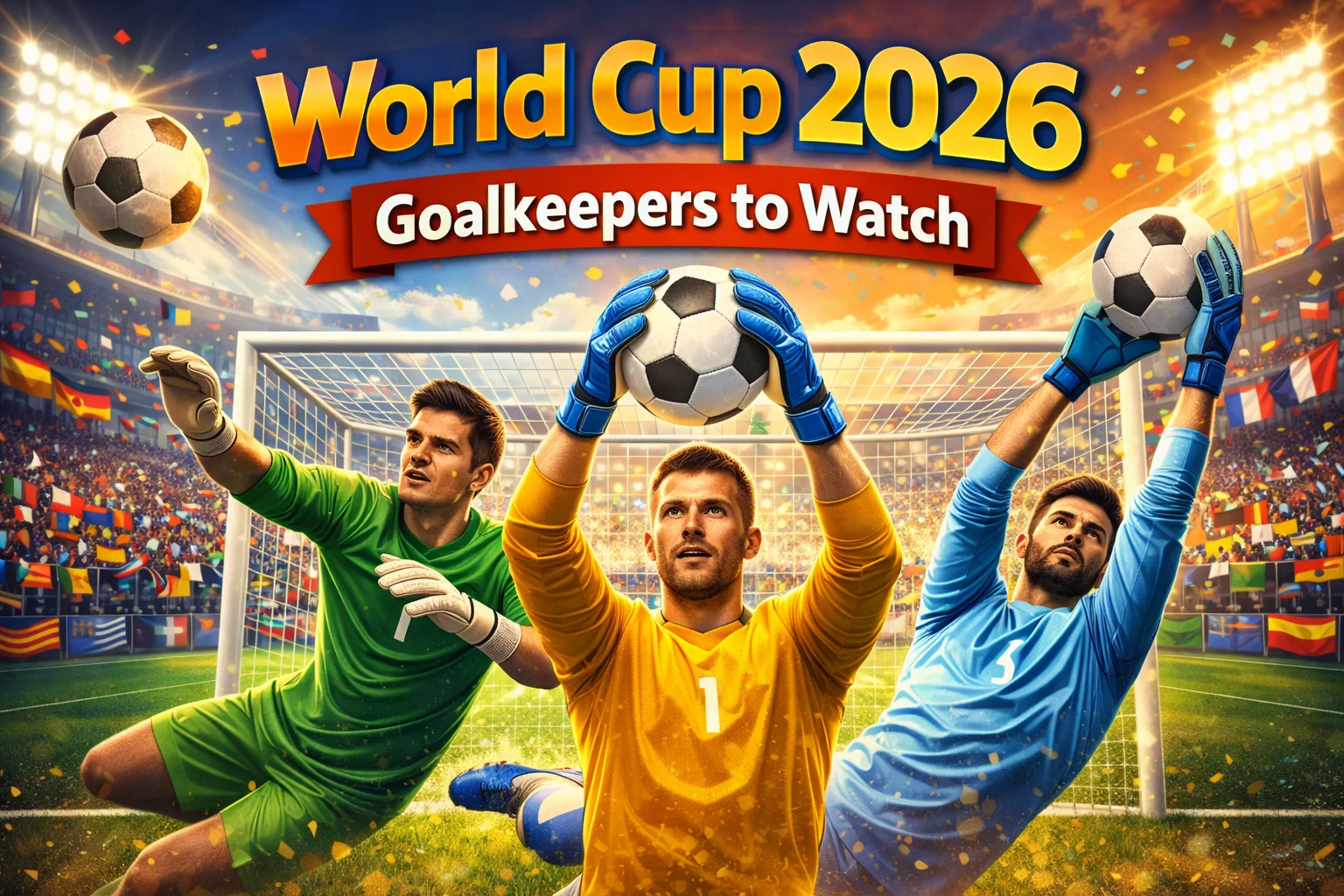
World Cup 2026 Goalkeepers to Watch
World Cup 2026 Goalkeepers can decide matches in seconds, even when the attack looks unstoppable. One save, one brave claim, or one calm pass can flip an entire tournament run. With the 2026 event expected to stretch from June 11 to July 19, teams will need steady hands for a long, demanding campaign across the United States, Canada, and Mexico. That makes this a practical watchlist for global fans who want to follow the best shot-stoppers and the next breakout names.
If you want the fastest way to track the goalkeeper race, focus on each team’s first-choice keeper, plus a few rising contenders with strong form. Expect the Golden Glove conversation to lean toward keepers from teams that go deep, but surprise runs can change everything.
World Cup 2026 Goalkeepers and why they matter most
Goalkeepers are not just shot-stoppers anymore, and that shift changes how teams play. Many national teams now want a keeper who can pass under pressure and act like an extra defender. At the same time, knockout football still rewards the basics, like handling crosses, winning one-on-ones, and staying calm in chaos.
A longer tournament schedule can also test concentration, recovery, and decision-making. In tight games, margins shrink, and a single rebound can become the turning point. That is why fans often remember a tournament through its biggest saves, not only its biggest goals.
What to look for in FIFA World Cup 2026 top keepers
Shot-stopping under pressure
Great keepers save the first shot, then recover fast for the second phase. Rebound control matters because second chances are common in tournament football. Clean footwork helps them set early and stay balanced on quick shots.
Command of the box on set pieces
Corners and free kicks can decide matches when chances are limited. The best keepers read the flight early and communicate clearly with defenders. A confident claim can calm a team, while a late punch can invite danger.
Modern sweeper keepers 2026 profile
High defensive lines create space behind the back line. A quick keeper who reads through balls can erase chances before they become shots. These decisions need timing, because one late step becomes a clear chance.
Distribution that beats the press
More teams press the first pass now, especially in big tournaments. A keeper who can switch play or play short with composure becomes a tactical advantage. The safest keepers choose the right moment, instead of forcing every pass.
| Trait to track | What it looks like in games | Why it matters in 2026 |
|---|---|---|
| Rebound control | Pushes shots away from danger, resets quickly | Stops second-ball goals in tight matches |
| Set-piece authority | Claims crosses, organizes blockers, clear calls | Prevents chaos during corners and free kicks |
| Sweeper timing | Early reads on through balls, smart angles | Protects teams that defend high |
| Press resistance | Calm first touch, simple passes, smart long balls | Helps teams keep shape under pressure |
| Penalty presence | Patience, strong reads, fast reactions | Shootouts and key penalties can decide runs |
List of Goalkeepers to watch 2026
Below are standout profiles mentioned as key names heading into the tournament. Roles can change, so always check official announcements close to squad time.
Emiliano Martínez
Martínez stands out for Argentina due to his presence and his reputation in decisive moments. He is also viewed as a penalty-save threat, which can shape knockout outcomes. If Argentina goes deep again, he stays in the Golden Glove conversation.
Thibaut Courtois
Courtois brings size, reach, and big-game calm, which fits the World Cup rhythm. He is described as a commanding presence who can steal a match with one sequence. If Belgium defends well, his clean-sheet path becomes realistic.
Alisson Becker
Alisson is valued for composure and distribution, plus strong one-on-one ability. When Brazil controls games, a keeper like him can still be decisive in the few moments that matter. Fitness and sharpness are always key in a long tournament.
Gianluigi Donnarumma
Donnarumma is presented as an athletic, reflex-heavy keeper with sweeping ability. That combination suits teams that want a modern profile without losing shot-stopping. If he arrives in form, he can swing tight matches and shootouts.
Mike Maignan
Maignan is framed as a vocal leader with agility and authority. Keepers like this help a back line stay organized when pressure rises. If France is stable defensively, he becomes a strong Golden Glove contender.
David Raya
Raya is highlighted for clean-sheet potential and penalty expertise. He also fits the “third center-back” idea in build-up, which matters against aggressive presses. The upside is control and tempo, but the risk is that mistakes are punished fast.
Diogo Costa
Costa is described as calm and quick in decision-making, which helps in transition-heavy games. A keeper who reads the match early can reduce panic defending. Portugal’s path, and how often they face pressure, may shape his spotlight.
Gregor Kobel
Kobel represents a modern athletic profile with consistency under pressure. This type of keeper often shines when games become open and chaotic. If his national team faces heavy shot volume, that can boost his narrative quickly.
Jordan Pickford
Pickford is noted as a reliable choice with strong top-level experience. In tournaments, reliability matters because teams cannot afford an off day. If England’s defense stays compact, his clean-sheet totals can build fast.
Host-nation keepers: Matt Freese and Luis Malagón
Freese is framed as a likely starter for the United States, with distribution that suits a progressive approach. Malagón is presented as part of Mexico’s goalkeeping future, with the added note that Guillermo Ochoa could appear as a veteran option. Host keepers often get emotional energy from home crowds, but pressure also rises with every mistake.
| Goalkeeper | Nation | Club (as listed) | Profile to watch | Why fans will track them |
|---|---|---|---|---|
| Emiliano Martínez | Argentina | Aston Villa | Penalty presence, leadership | Big moments in knockouts |
| Thibaut Courtois | Belgium | Real Madrid | Reach, calm positioning | Match-stealing ceiling |
| Alisson Becker | Brazil | Liverpool | Sweeping, distribution | Modern fit with elite saves |
| Gianluigi Donnarumma | Italy | Manchester City | Reflexes, athletic style | High-upside tournament form |
| Mike Maignan | France | AC Milan | Agility, vocal control | Organizes under pressure |
| David Raya | Spain | Arsenal | Clean sheets, penalties | Press-resistant build-up |
| Diogo Costa | Portugal | Porto | Quick decisions, calm | Transition control |
| Gregor Kobel | Switzerland | Borussia Dortmund | Consistency | Strong in chaotic games |
| Matt Freese | USA | MLS club | Sweeper tendencies | Host spotlight and momentum |
| Luis Malagón | Mexico | Club América | Domestic form | Host pressure and confidence |
Golden Glove contenders 2026 and how the award usually tilts
The Golden Glove often follows tournament progress, not only raw save volume. A keeper on a deep run tends to collect clean sheets, plus high-pressure saves late in the event. Still, a surprise run can put a lesser-known keeper into the spotlight quickly.
To judge contenders fairly, separate “busy keeper” value from “clean-sheet keeper” value. Some teams protect their keeper well, so the keeper must be perfect on fewer shots. Other teams concede chances, so the keeper must carry the match with repeated saves.
Best ways to follow keeper form before and during the tournament
Watch pressure moments, not only highlight reels
Look for saves at 0–0, late saves after conceding, and calm claims under heavy crowd noise. Those moments translate best to World Cup pressure. Also track how quickly a keeper resets after an error.
Check pecking orders and fitness updates
Goalkeeper roles can change quickly through injuries or coaching decisions. If a national team rotates keepers in camps, treat the situation as “subject to confirmation.” When in doubt, check official announcements near squad deadlines.
Compare styles by region and match context
Different confederations often face different patterns, from deep blocks to high pressing games. That affects what “good” looks like for a keeper in that context. A smart watchlist includes both elite names and breakout candidates.
| Region focus | Goalkeeper types to watch | Example names from this guide |
|---|---|---|
| Europe | Commanding No. 1s and ball-playing keepers | Courtois, Donnarumma, Maignan, Raya, Costa, Pickford |
| South America | Tournament-tested leaders and penalty presence | Martínez, Alisson |
| North America | Host pressure, momentum, and confidence swings | Freese, Malagón (plus Ochoa as a possible veteran option) |
| Global mix | Breakout keepers who thrive in chaos | Kobel and other rising profiles |
FAQs
Start with first-choice keepers on strong teams, plus a few rising contenders with momentum. If you are unsure, check official announcements close to squad release.
Names often mentioned include Emiliano Martínez, Thibaut Courtois, Mike Maignan, and David Raya. Final contenders depend heavily on team progress and clean sheets.
Yes, because modern systems reward athletic keepers who sweep and pass well. Still, tournament pressure can punish small mistakes, so consistency matters most.
They matter a lot because one shootout can decide a whole run. Even one saved penalty in normal time can change group standings and confidence.
Follow team defensive structure, opponent quality, and how often the keeper faces shots. Clean sheets often come from good team shape as much as individual brilliance.
Conclusion
World Cup 2026 goalkeeping will be a mix of proven stars, modern sweeper profiles, and one or two breakout stories. Track first-choice roles, pressure moments, and how keepers handle set pieces and build-up. If you follow these names and traits, you will spot the next tournament hero early. You can check also Top 10 Players to Watch at World Cup 2026