How tourists travel between USA Canada Mexico for World Cup 2026 trips
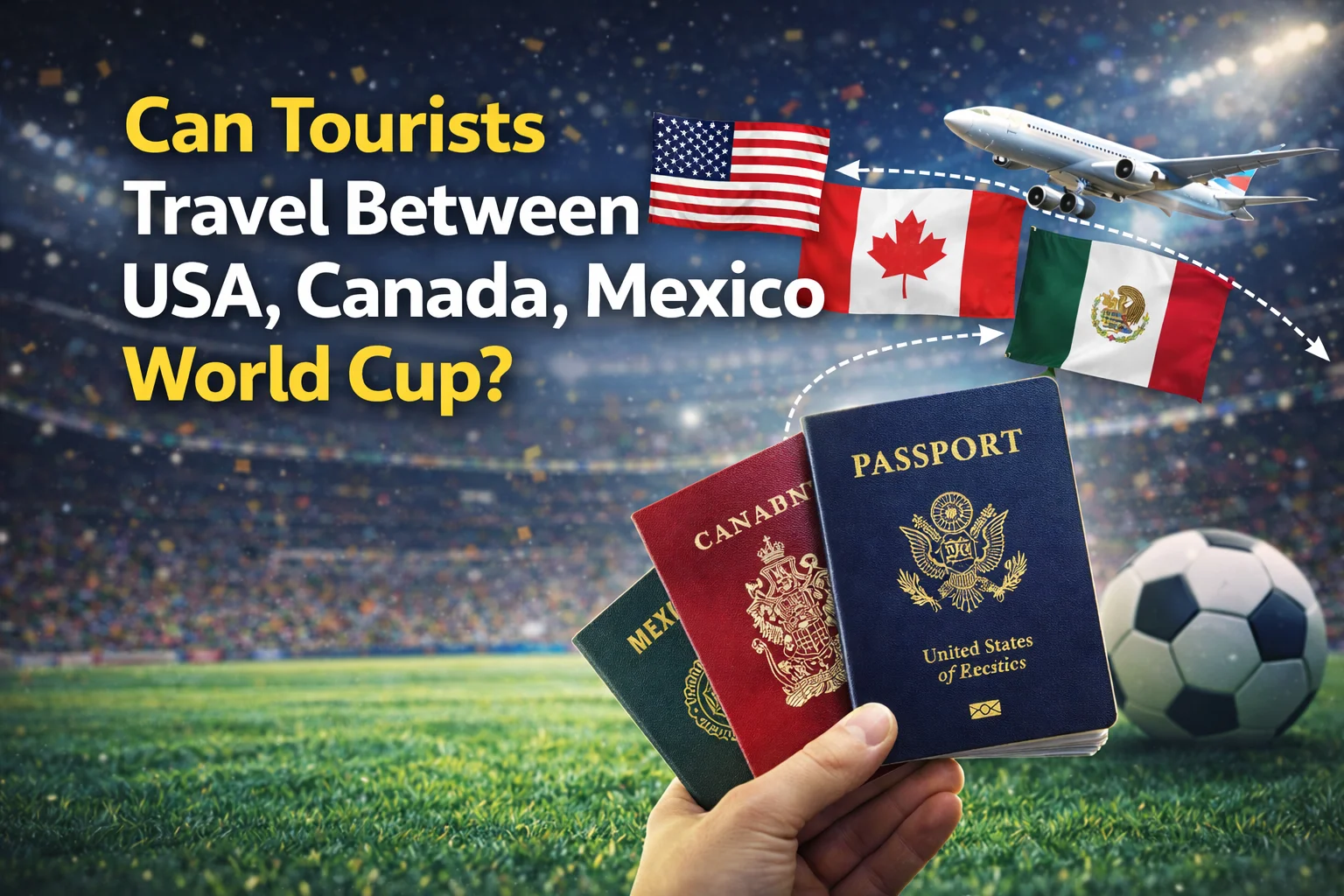
For World Cup 2026, many fans want to watch matches in more than one country. That’s why tourists travel between usa canada mexico has become a top planning question for international visitors. The good news is cross-border travel is usually possible, but each entry is treated like a new arrival with its own rules.
Yes, tourists can travel between the USA, Canada, and Mexico during the tournament. However, there is no single “World Cup visa,” so you must meet the entry requirements for each country you want to visit. Plan buffer days because borders and airports can get busy during match periods.
How tourists travel between usa canada mexico during World Cup 2026
The biggest thing to understand is simple the USA, Canada, and Mexico are separate countries with separate immigration systems. Even if you already entered one host country smoothly, you still need to qualify again when you enter the next one.
Every border crossing (by air or land) can involve immigration questions and document checks. If you are following your team from one host city to another across a border, treat it like a full international trip each time.
No “one visa” that covers all three countries
Many first-time visitors assume one approval will cover the whole region. In reality, there is currently no World Cup visa that automatically grants access to all three host countries. You should plan to meet the entry rules for each country you intend to enter, even if you are only visiting briefly for a match.
Passport planning that reduces stress
A valid passport is required for all three countries. A practical rule many travelers follow is keeping at least six months of passport validity beyond your planned departure. It helps avoid issues if your trip changes or border staff ask about your timeline.
USA entry requirements for World Cup fans
The Visa for United States often involves the most detailed entry process, so it helps to plan early.
ESTA for Visa Waiver travelers
If you are eligible for the Visa Waiver Program, you may use ESTA approval for short tourism trips. ESTA is not a visa, but it can allow entry when you meet the program rules. Keep a copy (digital and printed) so you can access it quickly during travel days.
B1/B2 visitor visa for many tourists
If you are not eligible for ESTA, you may need a B1/B2 visitor visa. This can include an in-person interview. The key takeaway is timing: apply early, because high demand can slow appointments around major events.
What border officers may ask
Be ready to explain your plan clearly. You may be asked where you will stay, how long you will be in the country, and how you will support yourself. It also helps to show onward travel and accommodation details without fumbling through your phone.
Canada entry rules and eTA basics
Canada’s system is similar in structure to the USA, but it has different approvals and processes.
eTA for many visa-exempt air travelers
Many visa-exempt travelers need an eTA to fly into Canada. It is an online approval that links to your passport. If you enter by land from the USA, the eTA requirement may not apply, but you still need proper travel documents and must qualify for entry.
Temporary Resident Visa for others
Some nationalities require a Temporary Resident Visa to enter Canada. Processing times can vary, so early planning matters even more if Canada is a key part of your World Cup route.
What to carry when arriving
Canada may ask for proof of accommodation, your trip timeline, and evidence you will leave after your visit. This is common during large events when visitor numbers rise.
Mexico tourist permits and entry forms
Mexico is often welcoming for tourism, but it is strict about entry paperwork.
FMM tourist permit
Foreign visitors commonly complete a Multiple Migratory Form (FMM), which acts as a tourist permit. If you arrive by plane, the cost is often included in the ticket, while land travelers may need to handle it separately.
Possible visa exemption if you hold a valid US visa
Mexico may exempt some travelers from a Mexican visa if they already hold a valid US visa. This can make planning easier for certain visitors, but it depends on nationality. The safest approach is to verify rules based on your passport before you travel.
Best ways to travel between host countries
Your best transport choice depends on distance, budget, and how tight your match schedule is. Most fans use flights for cross-border moves, and trains or buses for city-to-city trips within the same region.
Air travel for speed and predictable timing
Flying is usually the easiest option when you are moving between major hubs like Toronto, New York, Los Angeles, and Mexico City. Airports are designed for international processing, and you can plan travel around kickoff times more reliably than long drives.
Land borders for flexibility, with extra buffer time
Land crossings can work well, especially between the USA and Canada. However, wait times can increase on weekends and near match dates. If you choose land travel, avoid same-day crossings when you have a match ticket.
Trains and buses in city clusters
In some regions, train and bus routes help fans move between nearby host cities. You still need to clear immigration when crossing borders, but trains can be comfortable in high-demand corridors.
Cross-border travel checklist for World Cup 2026 fans
| Travel item | Why it matters | Practical tip for match trips |
|---|---|---|
| Passport | Required for every entry | Keep strong validity (many travelers aim for 6+ months) |
| USA visa or ESTA | Needed to enter the United States | Save a digital copy and carry a print backup |
| Canada visa or eTA | Needed to enter Canada | Remember eTA is commonly tied to air arrivals |
| Mexico entry form (FMM) | Often required as a tourist permit | Keep your entry record safe until departure |
| Match itinerary (cities + dates) | Helps explain your travel purpose | Keep a simple 1-page plan on your phone |
| Hotel bookings | Often requested at borders | Use refundable stays when your schedule may change |
| Return or onward travel proof | Shows you plan to leave | Screenshot tickets and store them offline |
| Travel insurance | Protects health costs and delays | Choose coverage that works in all three countries |
Border crossing tips that prevent missed matches
Small planning habits make a big difference during a busy tournament period.
Build your schedule around border reality
If possible, cross borders at least one day before a match. A “travel day” reduces pressure if you face delays, extra screening, or transport issues.
Keep documents in two formats
Use both digital and printed copies for your passport page, approvals (visa/ESTA/eTA), hotel details, and onward travel. Phones die, Wi-Fi fails, and printers are still useful at the worst times.
Be clear and consistent at immigration
Officers may ask why you are visiting, how long you will stay, and where you will go next. Answer briefly, match your itinerary, and keep your story consistent across bookings.
Think about money, connectivity, and daily logistics
You may deal with different currencies (USD, CAD, MXN) and different mobile options. Many fans prefer card payments and consider a multi-country eSIM for smoother travel between host nations.
FAQs
Usually no. There is currently no single “World Cup visa” that automatically covers all three countries, so you must meet each country’s entry requirements.
Often yes, depending on your passport. Some travelers are visa-exempt for one country but need a visa for another, so check each destination separately.
For most fans, flying is more predictable for long distances. Land borders can work, especially for nearby routes, but delays can increase near match days.
Many tourists do, but you must be eligible to re-enter the USA. Make sure your visa or ESTA status supports your return plan and keep proof of your itinerary.
Carry your visa/ESTA/eTA details, accommodation proof, match confirmations, and onward travel evidence. These help you explain your trip and reduce delays.
Conclusion
Cross-border World Cup trips are realistic, but they are not automatic. The key takeaway is simple: plan for three separate entry systems, keep your documents organized, and build buffer time between travel and kickoff. If you prepare like it’s three international trips in one, you’ll enjoy the tournament with far less stress.