Qatar national Football team 2026 Players, Fixtures, Standings, Kits & Stadiums
The Qatar national Football team heads into 2026 with a clear plan: build a settled core, sharpen the tactics, and arrive ready for high-pressure games. Qatar’s squad still leans on proven names from recent AFC campaigns, but it also mixes in younger options to raise the tempo and depth.
Qatar’s 2026 picture centers on a familiar attack led by Akram Afif and Almoez Ali, backed by a structured defense and a midfield built for control and quick transitions. Their calendar features high-profile friendlies and major tournament fixtures, while stadium and kit identity stays strongly linked to Qatar’s maroon tradition.
Qatar national Football team 2026 squad and key players
Qatar’s selection for this cycle balances continuity and competition. Many players come from the Qatar Stars League, which helps chemistry. At the same time, roles can shift during camps based on form, fitness, and the game plan.
Core leaders and match-winners
Akram Afif remains the headline creator and a main attacking outlet. He brings pace, close control, and final-ball quality that can decide tight matches. Almoez Ali stays the most famous finisher in the modern era for Qatar and remains a major reference point in the box.
In goal, Meshaal Barsham stands out as a leading option, with Saad Al-Sheeb offering experience and support. In defense, Qatar tends to value shape and timing, aiming to reduce open-field chaos and protect central areas.
Qatar National Football Team – Current Squad Highlights
(Players involved in recent call-ups such as the 2025 FIFA Arab Cup squad)
Goalkeepers
- Shehab Al Laithi (Shehab Ellethy)
- Meshaal Barsham
- Mahmoud Abu Nada (Abunada)
Defenders
- Ayoub Mohammed (Al-Oui / Ayoub Al-Oui)
- Al Hashimi Al Hussain
- Sultan Al-Brake
- Tarek Salman
- Lucas Mendes
- Isa Lay (Issa Laye)
- Pedro Miguel
- Plus other defenders regularly called up (e.g., Boualem Khoukhi, Bassam Al-Rawi)
Midfielders
- Jassem Gaber
- Ahmed Fathi
- Assim Madibo
- Abdulaziz Hatem
- Mohamed Al-Mannai
- Other midfield contributors may include Guilherme and Karim Boudiaf in extended squads
Forwards / Attackers
- Akram Afif
- Ahmed Alaaeldin
- Mohammed Muntari
- Yusuf Abdurisag
- Mohamed Khaled Gouda
- Khaled Ali
- Historic and key attacking players like Almoez Ali and Hassan Al-Haydos remain influential Haydos returned to national duty after retirement in 2025.
Notes
- This squad list reflects recent selections for official tournaments (e.g., FIFA Arab Cup 2025) and preparatory matches heading into World Cup 2026 qualifying/finals cycle.
- Players may vary slightly for different competitions (qualifiers, friendlies, Arab Cup, Asian Cup) and final World Cup roster.
- Qatar’s team, also known as Al-Annabi (The Maroons), is coached by Julen Lopetegui as of the latest cycle.
Qatar national team coach 2026 and playing style
The coaching direction described for this points toward organized defending, quick transitions, and better control of game rhythm. Qatar often tries to stay compact without the ball, then attack the spaces quickly when possession flips.
Qatar defensive lineup 2026 and midfield setup 2026
Defensively, Qatar tends to prioritize central control first, then fullback support. In midfield, the plan often looks like a mix of ball-winners and passers, with a clear intention to release attackers early once the press is beaten.
Because opponents vary, Qatar may switch between a more compact block and a higher press during friendlies to test different looks. Rotation also matters, especially when fixtures arrive close together.
Qatar AFC qualifiers 2026 and qualification
The qualification story presented includes a clear standings from a tough group and a later push that secured the outcome. The numbers show Qatar had to manage difficult games and respond to pressure rather than cruise.
Standings from a qualifying group
This table reflects a listed group standings summary from the provided content.
| Team | Points |
|---|---|
| Iran | 30 |
| Uzbekistan | 21 |
| UAE | 15 |
| Qatar | 13 |
| Kyrgyzstan | 8 |
| North Korea | 3 |
That snapshot places Qatar fourth with 13 points. It also shows the margin between mid-table positions can be tight, which increases the value of low-risk defending and match control.
Qatar FIFA World Cup 2026match schedule 2026
Qatar’s calendar in the material includes both high-profile friendlies and listed tournament games. Times and opponents can still be subject to official confirmation in real life, but the following fixtures are presented directly in the provided content.
Fixtures list
This table groups key matches that were listed, including venues and local times where provided.
| Date | Opponent | Venue | Competition | Time (Local) |
|---|---|---|---|---|
| March 26, 2026 | Serbia | Jassim bin Hamad Stadium, Doha | International Friendly | TBD |
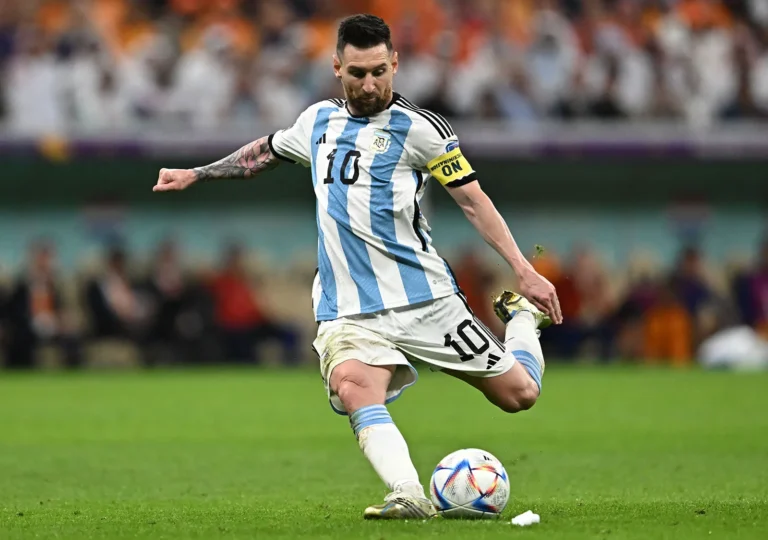
| March 31, 2026 | Argentina | Lusail Stadium, Doha | International Friendly | TBD |
| May 28, 2026 | Republic of Ireland | Away (Dublin) | International Friendly | 2:45 PM |
| June 13, 2026 | Switzerland | San Francisco Bay Area Stadium, USA | World Cup Group B | 7:00 PM |
| June 18, 2026 | Canada | BC Place, Vancouver | World Cup Group B | 7:00 PM |
| June 24, 2026 | UEFA playoff winner (listed as Italy/Northern Ireland/Wales/Bosnia and Herzegovina) | Seattle Stadium, USA | World Cup Group B | 7:00 PM |
Why these fixtures matter
The March matches provide a stress test. Serbia offers a physical, structured European challenge, while Argentina brings elite ball control and sharp attacking patterns. Those games can highlight where Qatar must improve before tournament pressure hits.
The listed group matches demand fast starts. In a short group stage, one slow half can reshape the entire table. Qatar’s best route often comes from disciplined defending, clean transitions, and finishing the limited chances they create.
Qatar Stadiums and home venues in 2026
Qatar’s stadium list remains one of the strongest parts of the football project. These venues already hosted major global matches, and they continue to support national team plans with modern facilities and strong matchday environments.
Lusail Stadium
Lusail stands as the flagship stage for high-profile nights. It offers a massive setting that fits major friendlies and statement games. When Qatar hosts a global opponent, this venue matches the scale of the occasion.
Jassim bin Hamad Stadium
This stadium is often described as a key home base for Qatar. It brings a tighter feel and a more direct atmosphere, which can help the team set intensity early. It also fits friendly festival matches and regional fixtures well.
Al Bayt, Khalifa International, and Ahmad bin Ali
Al Bayt provides a distinctive setting and strong crowd energy. Khalifa International remains a historic venue with modern upgrades. Ahmad bin Ali continues to host major events and offers a strong matchday experience that suits both players and supporters.
Qatar Kits in 2026
Qatar’s kit identity stays rooted in maroon. The descriptions highlight a modern performance build with details that connect to national symbolism and design motifs.
Home kit
The home look centers on a maroon base. One description notes a central zig-zag graphic that echoes the national flag theme, paired with white accents. The aim is simple: keep the traditional color, add a distinctive pattern, and deliver a clean, premium feel.
Away kit
The away kit is described as lighter, with white or light tones and maroon details. This creates a sharp contrast from the home strip while keeping the visual link to Qatar’s main identity.
Fit, fabric, and fan versions
Modern international kits usually focus on breathable, lightweight material to help players handle heat, tempo, and repeated high-intensity runs. Fan versions generally mirror the look while prioritizing comfort for everyday wear.
Qatar starting lineup 2026
Exact lineups change by opponent, but the player roles described point to a familiar pattern: a structured base, a midfield that protects the center, and an attack that tries to create decisive moments.
A simple way to picture the plan
- Goalkeeper: steady shot-stopping and calm distribution
- Center backs: protect the box, win first contacts, keep spacing tight
- Fullbacks: support wide build-up, but recover quickly to avoid counters
- Midfield: one or two players to break up play, one to connect passes forward
- Attack: Afif as a key creator, with a striker option to finish moves
This approach can work well when Qatar stay disciplined, avoid cheap turnovers, and take their best chances.
FAQs
Qatar’s strength is structure. The team often looks most comfortable when it stays compact, protects central areas, and attacks quickly through a few key creators and finishers.
Akram Afif and Almoez Ali stand out in attack, with Meshaal Barsham a major name in goal. In defense and midfield, experienced options like Tarek Salman, Jassem Gaber, Assim Madibo, and Abdulaziz Hatem are also highlighted.
The listed schedule includes group games against Switzerland (June 13), Canada (June 18), and a UEFA playoff winner (June 24). The same material also lists friendlies against Serbia (March 26) and Argentina (March 31).
A provided standings snapshot shows Qatar on 13 points in a group led by Iran, followed by Uzbekistan and the UAE. That placement underlines how competitive the qualification path can be.
The home kit keeps the maroon base and includes a flag-inspired zig-zag graphic with white accents. The away kit uses lighter tones with maroon details for a clean contrast look.
Conclusion
The Qatar national Football team enters 2026 with a recognizable core, a structured style, and big-match preparation built around high-level friendlies and tournament fixtures. Afif and Almoez remain the attacking reference points, while the squad leans on compact defending and fast transitions. With world-class home venues and a strong maroon kit identity, Qatar’s target is clear: arrive organized, compete with discipline, and take chances when they appear.